13 min read
—



Casimir Rajnerowicz
Content Creator
V7 Go
A smarter way to manage due diligence and underwriting
Three guides rank for this search and none of them agrees on what venture capital software is. VC Stack, the directory sitting at position two, lists twenty-six tool categories. Papermark's comparison uses seven. Decile's stack guide uses six. A first-time general partner arrives wanting to know what to buy and leaves with three different maps of the same territory.
They disagree because they are all answering the wrong question. Tool category is a fact about which vendors exist, not about your fund. What actually decides a venture capital firm's software stack is which fund you are on and how big it is. A solo general partner (GP) closing a 15 million dollar Fund I needs three tools and a spreadsheet. A 500 million dollar multi-stage firm on Fund IV needs eight systems and somebody whose job is keeping them reconciled. Every guide on this page recommends the same tools to both.
One clarification before anything else, because this search serves two audiences. This article is about software that venture capital firms use to run themselves. It is not a list of venture capital firms that invest in software companies. If that is what you came for, the ranking listicles are one search away.
What follows is organised by fund stage: what a Fund I actually needs, what breaks at Fund II, and what the assembled-versus-integrated argument really costs. With real pricing where it is published. A disclosure belongs up front. V7 Go publishes this and does not sell a CRM, a cap table platform or a fund accounting system. We build AI infrastructure for private markets, the document layer beneath the tools compared here, and the last section is about that.
Why every venture capital software list is different
Venture capital software, or VC software, covers the systems a fund uses to source deals, run diligence, track a portfolio, keep the books and report to limited partners (LPs). The disagreement is about how to divide that up, and the divisions are not neutral. Every VC software list is somebody's taxonomy, and taxonomies have authors.
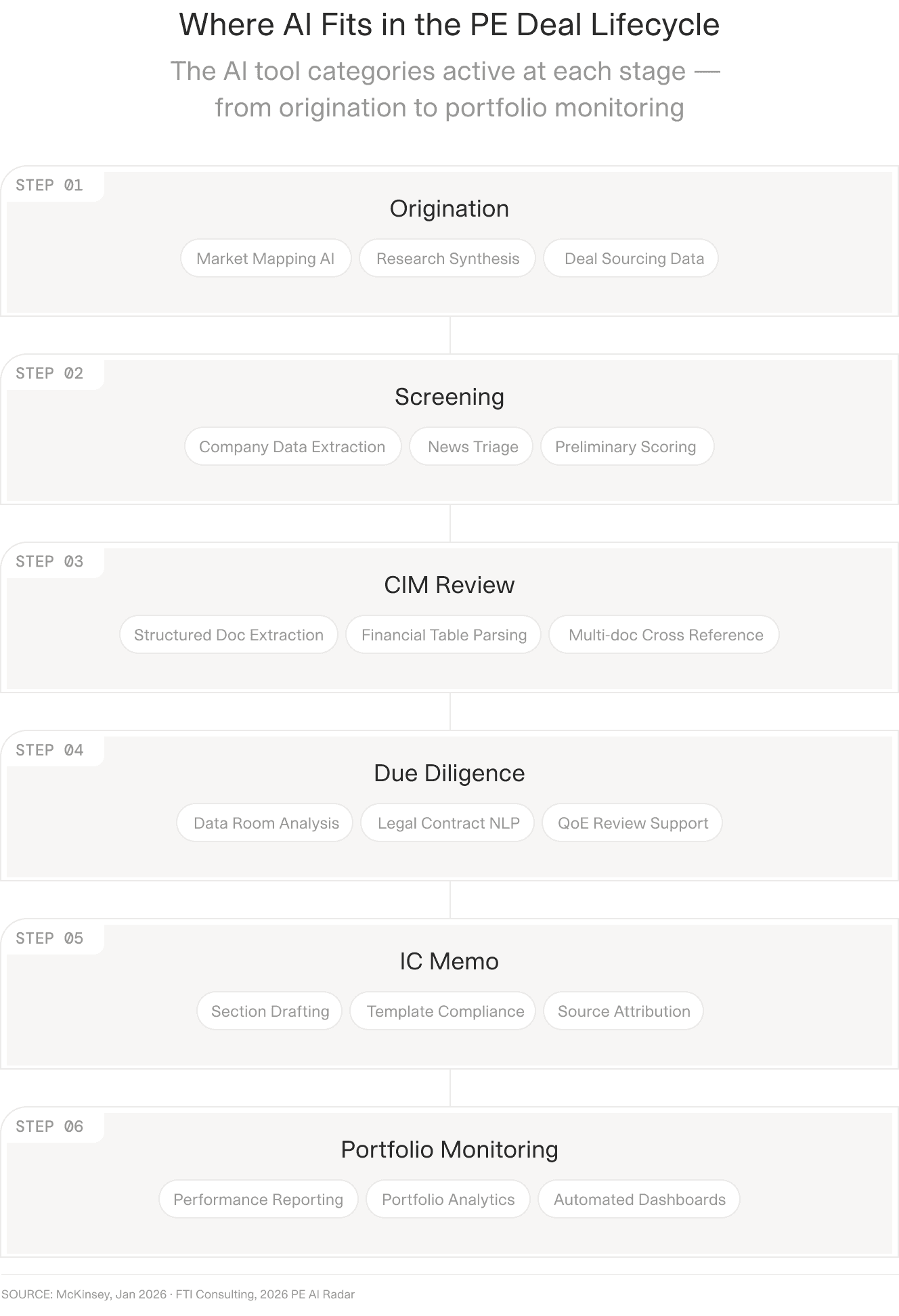
Source | Categories | What it is |
|---|---|---|
VC Stack | 26 | Directory. Calendar, cap table, community, CRM, data, data room, deal sourcing, email, ESG, fund admin, fund modelling, hiring, infrastructure, insurance, job board, liquidity, LP tools, newsletter, news, platform, portfolio management, project management, research, video, website, other |
Papermark | 7 | Comparison. Portfolio management, deal flow, market intelligence, cap table, investor relations, fund accounting, CRM |
Decile | 6 | Stack argument. CRM and deal flow, data rooms, digital signing and LP onboarding, fund accounting, compliance, portfolio monitoring and LP reporting |
Look at who drew each map. Papermark ranks Papermark first under Portfolio Management, and Papermark is a document-sharing and data-room product. That is a category stretch, and it is only visible if you already know the market. Decile's guide argues that integrated platforms beat assembled stacks and then recommends Decile Hub. VC Stack is owned by a venture education business. None of this is dishonest, and all of it shapes the taxonomy.
There is a second reason the lists differ, and it is structural rather than commercial. Several of these categories are not really software purchases at all. Fund administration is usually a service with software attached. Compliance is a service with a calendar attached. Market intelligence is a data subscription. Listing them beside software makes a stack look like a shopping basket. In practice three of the six or seven categories are decisions about who does the work rather than which product to buy.
The dimension that actually predicts what a firm buys is absent from all three: fund number, assets under management (AUM), LP count, portfolio company count and team size. Decile gets closest, contrasting a 15 million dollar fund with a 50 million dollar Fund II carrying 20 LPs and 30 portfolio companies, then drops the thread. The rest of this article picks it up.
Fund I: the minimum viable stack
One or two partners, under 25 million dollars, fifteen to twenty-five LPs, the first ten investments. At this size the binding constraint is partner time, and every system you adopt costs some of it.
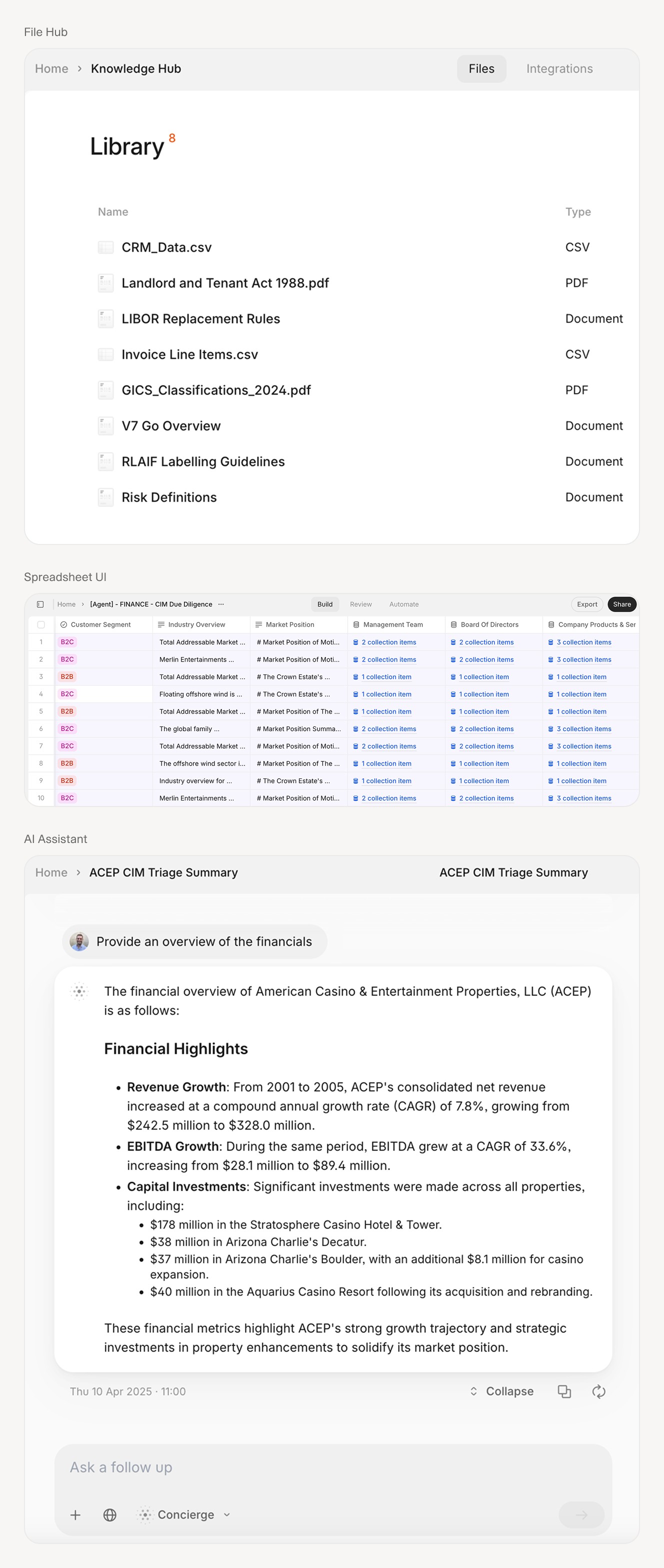
What you genuinely need is four things. A customer relationship management (CRM) system that reflects how early-stage deals move, which is not how sales pipelines move: you are tracking companies too early to back today but worth watching for eighteen months. A data room for fund materials, because an LP who receives an organised room with access controls reads a different signal than one who gets a shared folder called Fund Docs Final v3. Fund administration, almost always outsourced at this size. And a view of the cap tables you are on, which usually means access to whatever your portfolio companies already use rather than a system of your own.
The CRM choice is the one worth spending time on, because it is the hardest to change later and the only one that accumulates something you cannot buy back. Two years of tagged conversations, warm introduction paths and thesis notes is an asset; two years of them in a system nobody wants to use is not. Affinity, 4Degrees and Zapflow are the specialists, and a general-purpose CRM configured carefully is a defensible choice at this size. What is not defensible is a spreadsheet you have already outgrown but keep because migrating feels expensive.
Our guide to venture capital deal sourcing covers the CRM and sourcing layer in more depth, and cap table management software covers the equity side.
Fund administration: the one decision to get right early
Almost every Fund I outsources fund administration, and the choice of administrator matters more than the choice of any software on this page. The administrator produces the capital account statements your limited partners read, the K-1s their accountants work from, and the numbers you will quote when raising Fund II. Getting a bad one is expensive to fix mid-fund, because migrating a fund's books halfway through its life means reconciling two sets of records for every historical transaction.
Two things to check that are easy to skip. Whether the administrator works routinely with funds your size, or whether you will be their smallest client and treated accordingly. And what their pricing does at your next fund. Multi-year agreements signed cheaply at Fund I have a habit of repricing at Fund II, and you find out when your bargaining position is weakest.
What to defer, and why
This is the part no guide prints, because every guide is written by somebody with something to sell.
Portfolio monitoring software. With ten companies you can read every update yourself. The tools that structure portfolio metrics earn their keep somewhere between twenty-five and forty companies, when nobody can hold the whole book in their head any more.
Market intelligence subscriptions. PitchBook starts around 25,000 dollars a year, on Papermark's published figures. On a 15 million dollar fund charging two per cent, that is more than eight per cent of annual management fee for one data subscription. Some funds should still buy it. Most Fund Is should not, and should notice they are making that trade rather than sliding into it.
Compliance tooling. Registration thresholds and the associated Form ADV obligations generally arrive later. Know where the line is; do not buy for it yet.
Fund II: where the stack breaks
Fund II is where firms discover that what got them here does not scale, usually about four months after it stopped working. The thresholds are reasonably consistent.
The LP base passes roughly forty, and per-LP capital account tracking stops being a spreadsheet job. The portfolio passes roughly thirty companies, and reading every founder update yourself stops being possible. Deal volume roughly triples, from a couple of hundred a year to six hundred, and a CRM configured for the first number falls over at the second. Any one of these is manageable. They tend to arrive together, because they are all downstream of the same fundraise.
Fund accounting, which is not accounting
The component emerging managers underestimate most, and the one where mistakes are expensive rather than annoying.
Fund accounting tracks a capital account per LP, computes management fees and carried interest waterfalls, records realised and unrealised gains, handles recycling provisions and produces a Schedule K-1 for every limited partner. An inaccurate K-1 creates a tax problem for someone who is deciding whether to back Fund III. An error in a capital account statement starts a conversation you cannot win.
The realistic options are a dedicated fund accounting platform such as eFront, Allvue or LemonEdge, or an outsourced fund administrator, or Carta's fund administration service. What does not work past this point is general-purpose accounting software with a spreadsheet doing the fund-specific parts.
Compliance, which arrives whether you planned for it or not
The obligations depend on fund size and investor base, and they stack up faster than most first-time managers expect. Registration as an investment adviser and the associated filings. Anti-money-laundering and know-your-customer verification for every limited partner. Beneficial ownership reporting. Sanctions screening. State-level filings.
The practical point is not which compliance tool to buy but where the work sits. If know-your-customer checks happen during LP onboarding rather than as a separate exercise three weeks later, the compliance calendar largely maintains itself. If they happen afterwards, somebody chases documents for a month every time you close a new investor. That is a workflow decision made when you choose the onboarding system, not a software purchase made later.
Portfolio monitoring and LP reporting
Standard Metrics, Vestberry and Visible are the names that come up. Standard Metrics describes the problem better than any competitor guide manages: getting consistent numbers out of dozens of companies that all report differently. That is the job. Annual recurring revenue, headcount, runway and milestones, collected on a schedule, structured into something auditable, turned into tear sheets and LP answers on demand.
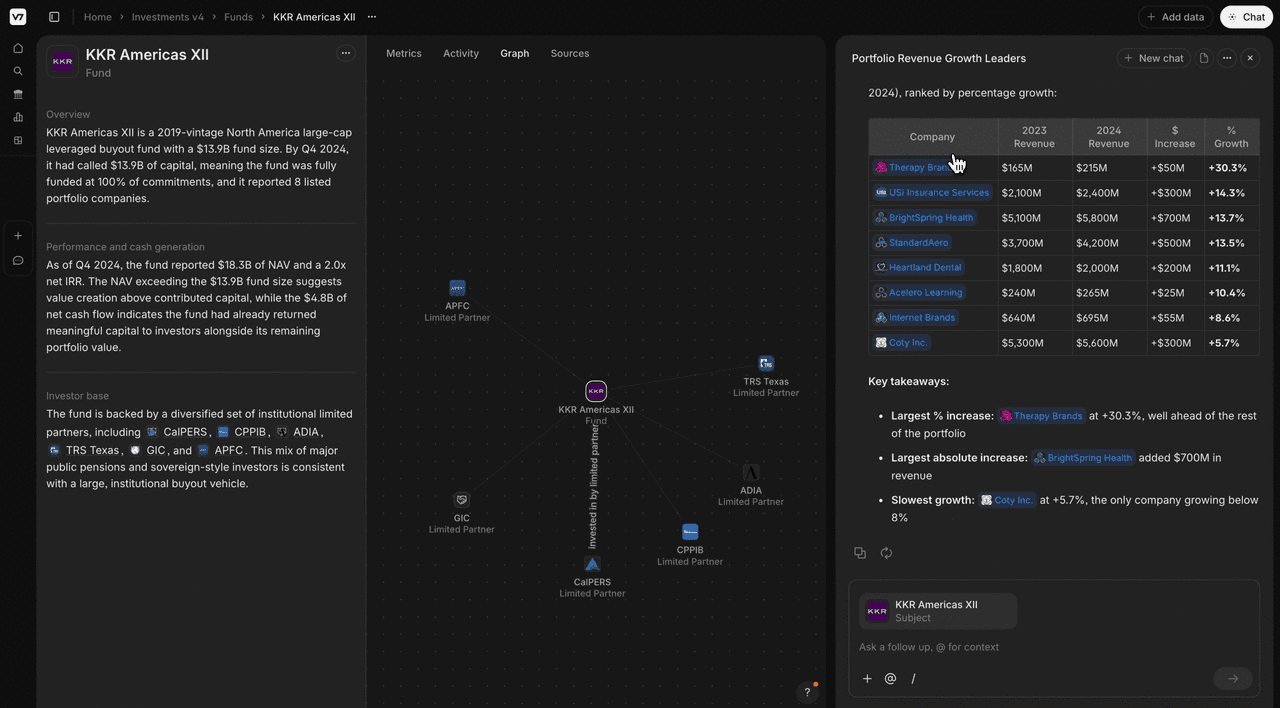
The adjacent purchase is reporting to your own LPs, which our guide to LP reporting for private equity covers, and the broader category sits in portfolio management software. Worth knowing that the highest-value searches in this space are for portfolio management rather than venture capital software specifically, which tells you where the budget goes.











Layer | Fund I (under $25M) | Fund II ($25M to $100M) | Fund III and beyond |
|---|---|---|---|
CRM and deal flow | Required | Required, reconfigured for volume | Required, usually with enrichment |
Data room | Required | Required | Required |
Fund administration | Outsourced | Outsourced or platform | Platform, often with in-house staff |
Cap table visibility | Portfolio company systems | Portfolio company systems | Own system or fund admin module |
Portfolio monitoring | Defer | Required past ~30 companies | Required |
Market intelligence | Defer unless sourcing depends on it | Case by case | Usually required |
Compliance tooling | Defer | Required if registration applies | Required |
LP portal | Data room is enough | Required past ~40 LPs | Required |
Fund III and beyond: assembled or integrated
By Fund III the question stops being which tools and becomes how many vendors. This is the argument Decile's stack guide is built around, and it is worth presenting properly, including the part where it terminates in a product recommendation.
The case against assembly is that every gap between systems needs a person. When a portfolio company closes a round, someone updates the portfolio tracker, tells the fund accountant to move the valuation, drafts the LP note and briefs whoever handles compliance. Four systems, four manual steps, and when the numbers disagree the vendors point at each other. Five tools also means five renewals, five support relationships and five export formats. Decile puts an assembled stack at 30,000 to 100,000 dollars a year or more once CRM, fund accounting, LP portal, compliance and data room fees are counted.
The case for assembly is that integrated platforms are the average of their modules. A firm whose competitive edge is sourcing wants the best sourcing tool, not an adequate one bundled with an adequate everything else. Large funds with operations staff can absorb integration overhead; the overhead is real but it is somebody's job.
Put numbers on it before deciding. An operations hire is a real cost, and against it sits the integration overhead you are currently paying in partner time. Say reconciling four systems consumes a day a week across the partnership. That is roughly a fifth of a full-time role already being spent, by the most expensive people in the firm, and invisible in any budget. Firms rarely make that comparison explicitly, which is why the assembled stack tends to win by default and then quietly cost more.
The honest framing is that this is a staffing question wearing a software costume. If you have an operations hire, assemble. If the answer to who reconciles this is the general partner, integrate. Firms that get this wrong usually assembled a stack while telling themselves they would hire for it next year. Our private equity tech stack guide covers the same decision on the private equity side, where the pattern is identical and the budgets are larger.
Where the portfolio data comes from
Every tool above assumes the numbers arrive in a form it can accept. That assumption is where the remaining manual work lives, and no comparison guide examines it.
Credit where it is due: Standard Metrics has named the problem more precisely than anyone selling against it, and sells a real answer to the collection half. Decile's guide is right that automation needs a unified data foundation. Neither goes a level down, to the documents the numbers are sitting in before any platform sees them.
A venture fund's document inventory is distinctive. Pitch decks and data room contents during diligence. Simple agreements for future equity (SAFEs) and convertible notes, whose conversion terms matter three rounds later and are written differently every time. Cap tables at each round. Board decks. Quarterly founder updates in whatever format each company felt like sending. Schedule K-1s. The NVCA model legal documents standardise some of this, and plenty of deals do not use them.
What a document layer does
Three properties matter, and they are not the ones usually advertised.
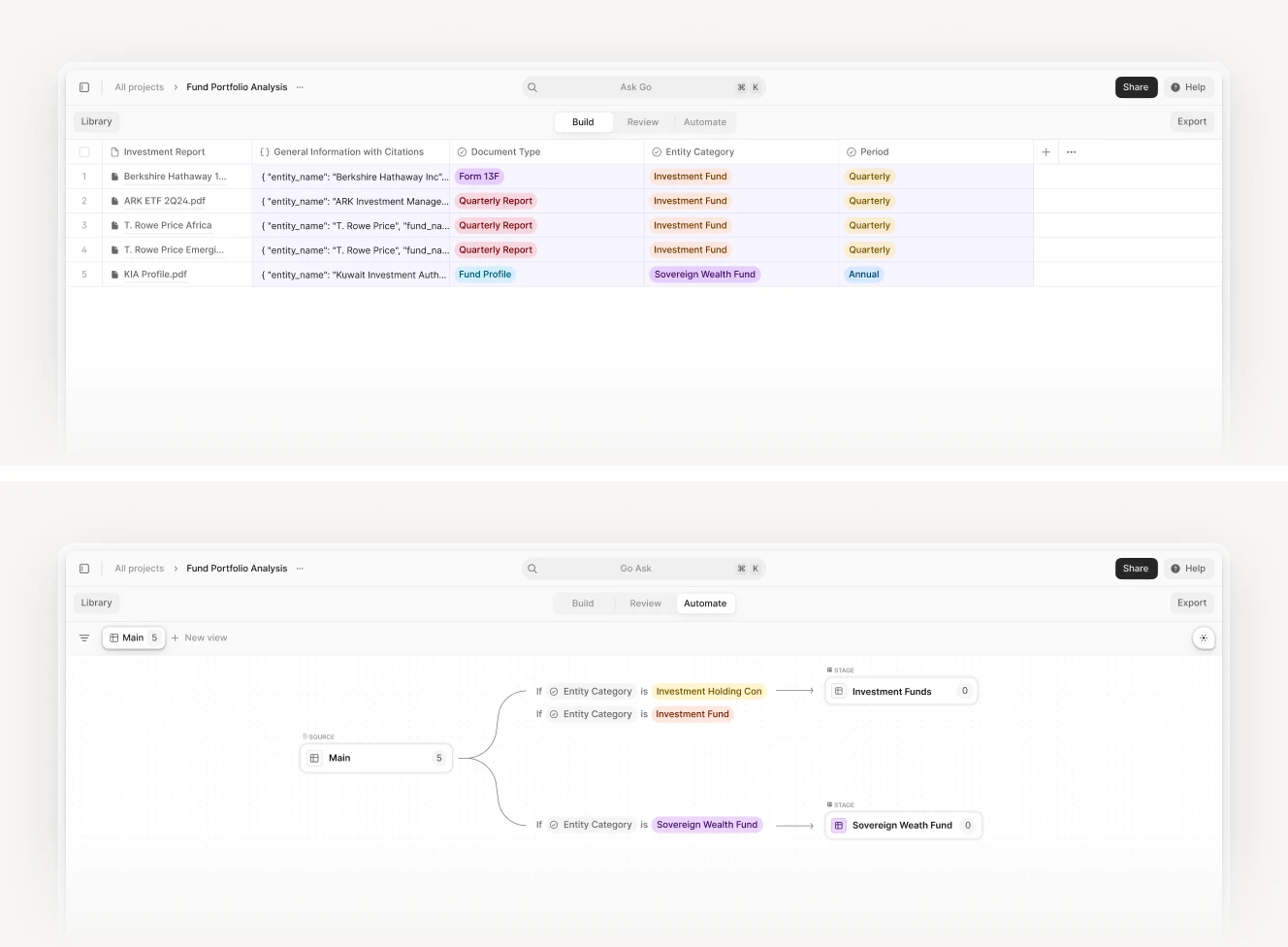
Typed output. A founder update returns the same fields whether it arrived as a PDF, a Notion page or three paragraphs in an email, so whatever consumes it on the other side never changes shape.
Deterministic workflows. The steps are defined once and the five hundredth run takes the same route as the first. A step told to check the firm's investment criteria checks them on every run, not on the runs where it happens to. An assistant that re-plans its approach each time cannot give you that, and a reporting process an LP relies on needs it.
Citations to source. Every extracted figure links back to the page it came from, so answering where this number came from takes seconds rather than an afternoon of opening files.
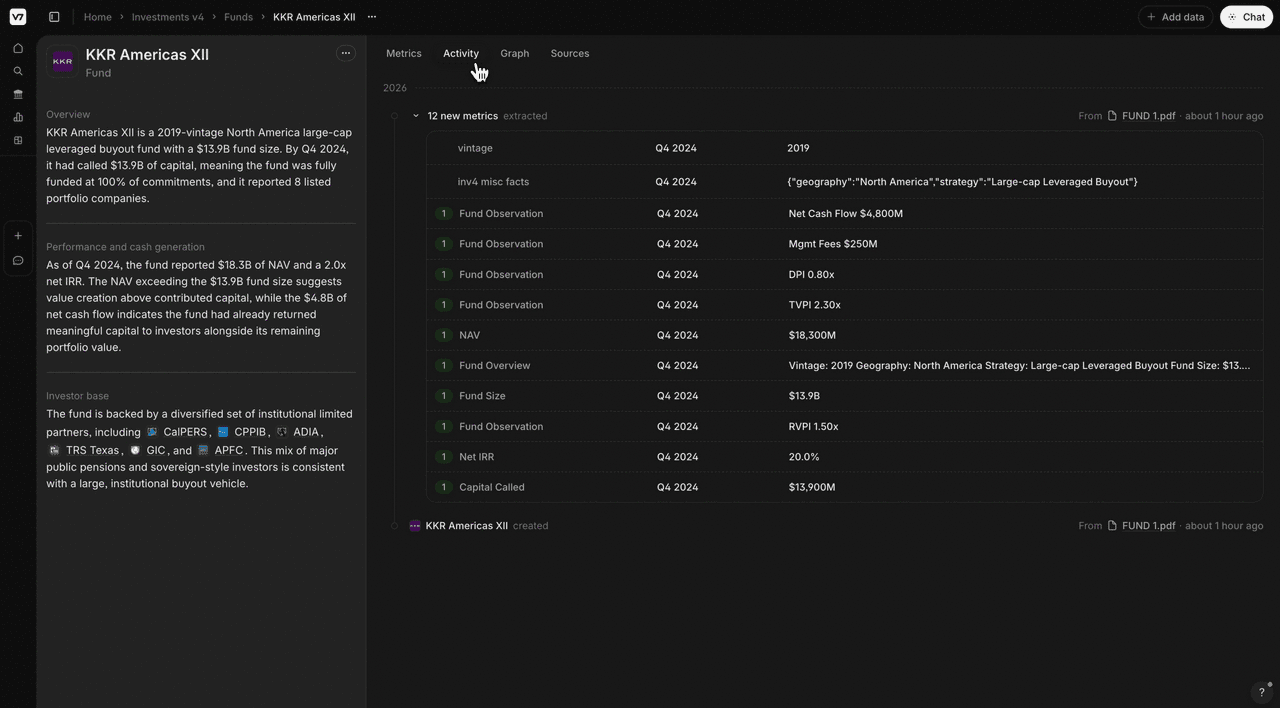
None of this replaces the portfolio monitoring platform or the CRM. They keep doing their jobs. What changes is that an analyst reviews structured figures against a highlighted source instead of transcribing them into a form.
Why entity resolution needs a graph
A second problem sits underneath, and venture is where it bites hardest. Companies change their names. A seed investment in one entity becomes a Delaware reincorporation, then a rebrand, then an acquisition where the acquirer's name appears on the K-1 and nowhere else. Answering how much of this sector we own means resolving all of it, and searching a document store for it degrades as the store grows.
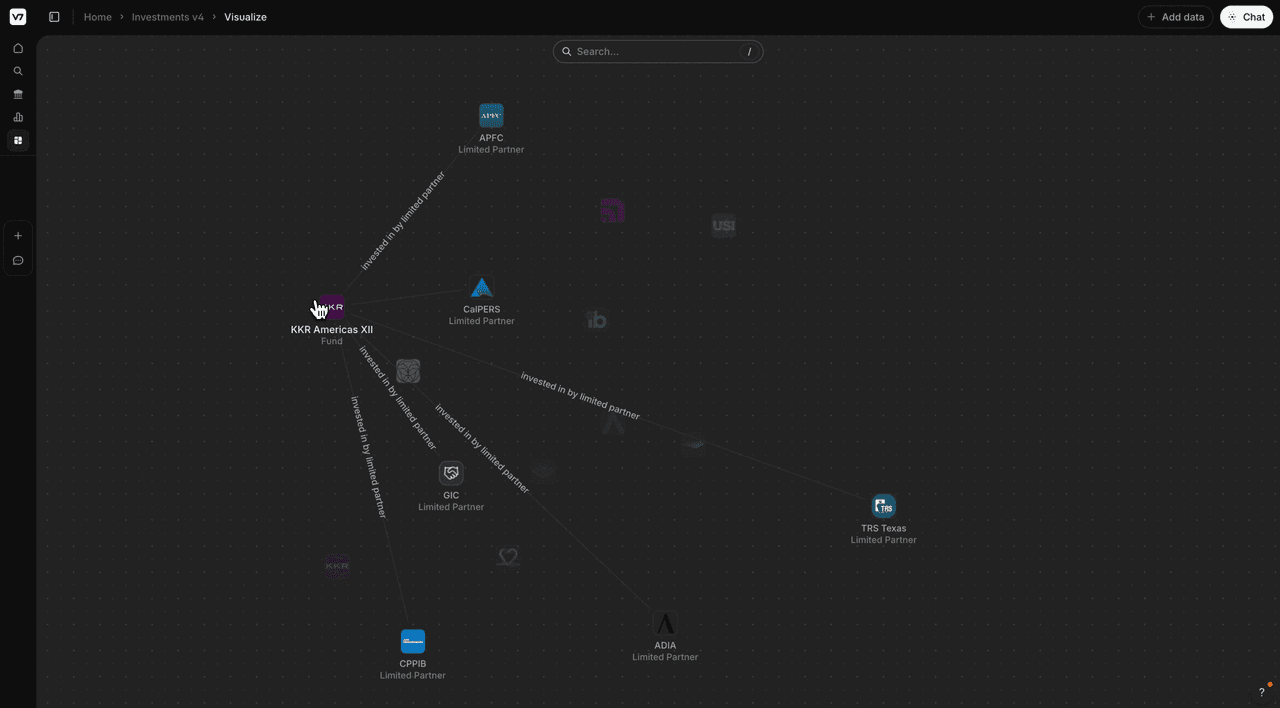
The Context Graph resolves entities and relationships when a document is ingested rather than when somebody asks. Holdings, ownership links and the documents evidencing them are stored as a structure, so the question becomes a traversal rather than a search. Our benchmark on a private markets corpus found the gap widens with scale. Accuracy held from ten documents to a thousand where retrieval-based approaches fell away, and on multi-step questions the difference was substantial. Our guide to AI for private equity and venture capital covers the wider set of workflows.
Before you buy anything
Three things to establish first. All of them are free and none takes a day.
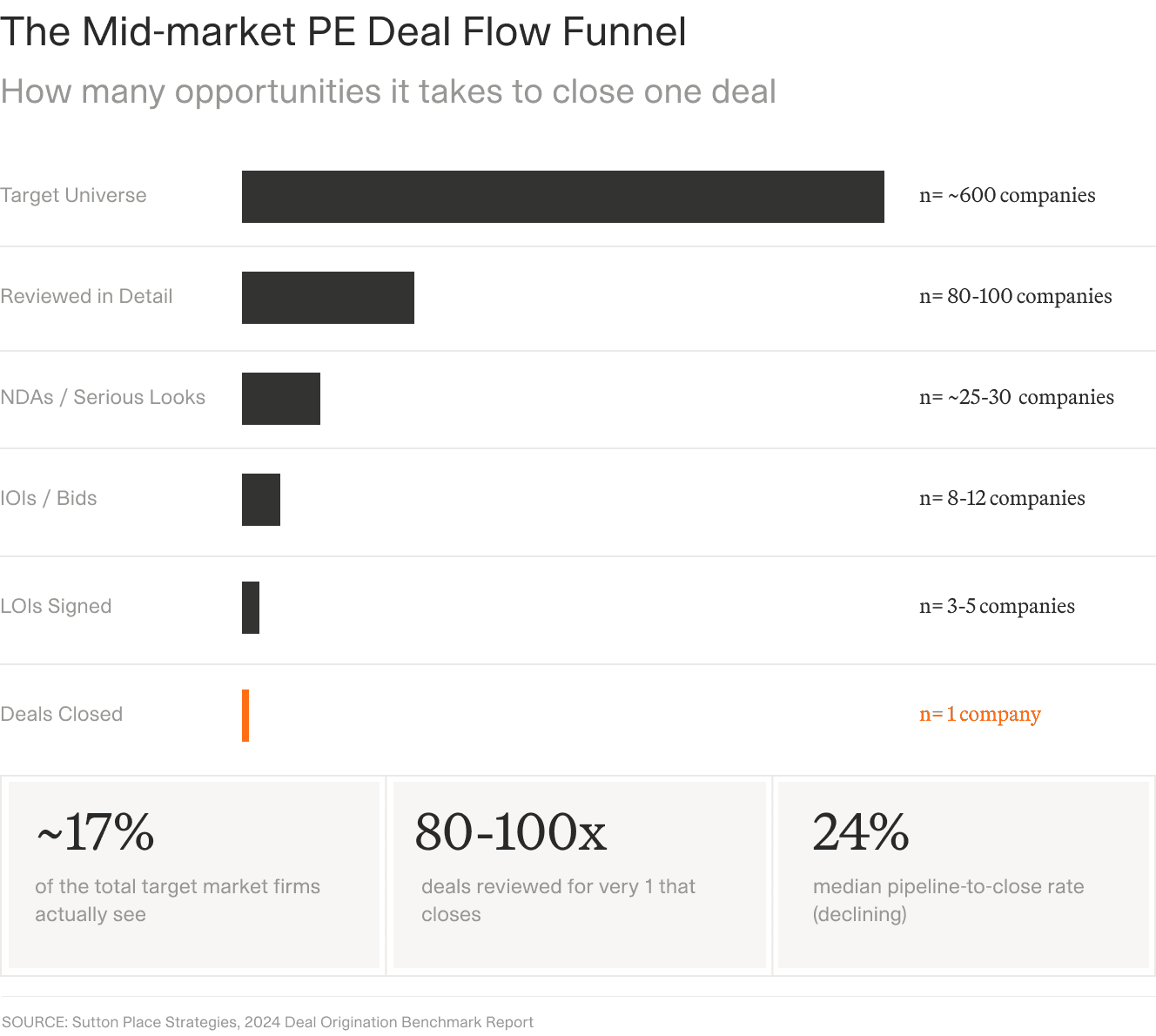
Write down which fund you are on and the four numbers. LP count, portfolio company count, deals reviewed last year, and people. Those four decide more about your stack than any feature comparison, and they are the reason a guide written for a 500 million dollar firm will mislead you at 15 million.
Count the documents. How many founder updates, cap tables, SAFEs and K-1s arrived last year, and roughly how many hours went into reading and re-keying them. Most firms have never counted. Below about fifteen portfolio companies the answer is usually that it does not matter yet. Above forty it usually matters more than the next tool on the shortlist.
Ask each vendor what happens at your next fund size. Not whether they scale, which everyone says, but what specifically changes: the pricing tier, the implementation work, the contract term. Multi-year agreements signed at Fund I have a habit of repricing at Fund II, and you find out at the moment your bargaining position is weakest.
Those three exercises produce the same artefact: a clear picture of what your fund actually needs now, as opposed to what a firm three times your size needs. That picture is worth more than any category taxonomy, including the three at the top of this article.
What is VC software?
VC software is the set of systems a venture capital firm uses to run itself, as distinct from the companies it invests in. It covers deal sourcing and customer relationship management, data rooms, diligence, cap table visibility, fund accounting, compliance, portfolio monitoring and limited partner reporting. Guides divide the category differently: the VC Stack directory lists twenty-six tool categories, Papermark's comparison uses seven and Decile's stack guide uses six. The practical answer is that no fund needs all of it. What a firm buys depends on which fund it is raising, how many limited partners it has and how many portfolio companies it is tracking. The number of categories a directory lists has nothing to do with it.
+
What is the best VC portfolio management software?
Standard Metrics, Vestberry and Visible are the names that come up most for venture specifically. Standard Metrics is built around collecting consistent metrics from portfolio companies that all report differently, and produces tear sheets and benchmarking against an aggregated dataset. Vestberry emphasises visual analytics and investor reporting. Visible is founders-first and is used widely for the update workflow itself. Larger firms often use eFront, Allvue, Dynamo or Cobalt LP, which extend into fund accounting and institutional reporting. The more useful question at Fund I is whether you need one yet: with ten portfolio companies a partner can read every update, and these tools earn their cost somewhere between twenty-five and forty companies.
+
How much does a venture capital software stack cost?
It varies by an order of magnitude with fund size. Individual published prices give the shape. PitchBook from around 25,000 dollars a year. Carta around 2,800. Pulley from 1,200 for a startup plan and 3,500 for growth. Papermark from free to 99 euros a month. Decile puts a full assembled stack at 30,000 to 100,000 dollars a year or more once CRM, fund accounting, LP portal, compliance and data room fees are counted. Enterprise platforms are quote-driven. The figure that matters more than the licence total is the proportion of management fee it consumes. A 25,000 dollar data subscription reads very differently on a 15 million dollar fund than on a 200 million dollar one.
+
What software do VC firms use?
Most firms run a combination rather than a single platform. For CRM and deal flow: Affinity, 4Degrees, Zapflow. For market intelligence: PitchBook, CB Insights, Harmonic. For cap tables: Carta, Pulley, EquityEffect. For data rooms: Papermark and similar. For portfolio monitoring: Standard Metrics, Vestberry, Visible. For fund accounting and administration: eFront, Allvue, LemonEdge, or an outsourced administrator. Some platforms consolidate several of these on one data model, which trades category depth for fewer vendor relationships. Which trade suits you depends mostly on whether your firm has operations staff to absorb integration work, and on how much of your edge sits in one of these categories. A firm whose advantage is proprietary sourcing should buy the best sourcing tool and accept the integration cost. A firm whose advantage is elsewhere should not.
+
Do I need portfolio monitoring software for Fund I?
For a specific and well-defined part of it, yes. The judgement stays with people: valuation marks, reserve decisions, what to tell limited partners about a company in trouble. What can be automated is the data entry underneath. Founder updates, cap tables, simple agreements for future equity, board decks and Schedule K-1s can be read into typed fields. Each extracted figure links back to the page it came from, so an analyst reviews rather than transcribes. Several portfolio monitoring platforms now include collection features of this kind, and they read what reaches the platform. The documents that never get uploaded are where the remaining work sits, and for a firm with forty or more portfolio companies that is the larger share of it.
+
Can AI help a venture capital firm with portfolio reporting?
Go is more accurate and robust than calling a model provider directly. By breaking down complex tasks into reasoning steps with Index Knowledge, Go enables LLMs to query your data more accurately than an out of the box API call. Combining this with conditional logic, which can route high sensitivity data to a human review, Go builds robustness into your AI powered workflows.
