12 min read
—



V7 Go
A smarter way to manage due diligence and underwriting
A quality of earnings analysis, usually shortened to QoE and written by some accounting firms as QOFE, is an examination of whether a company's reported profit reflects real, repeatable earning power or something more flattering. It is the report a buyer commissions during due diligence to find out what a business actually earns, as opposed to what its income statement says it earns. Those two numbers are rarely the same, and the gap between them is where deals are won, lost, and repriced.
A QoE analysis is not an audit, and confusing the two is the most common mistake first-time buyers make. An audit asks whether the accounts follow the rules. A quality of earnings analysis asks a harder question: strip out the one-off gains, the owner's above-market salary, the revenue pulled forward, and the costs that will not recur under new ownership, and what is the sustainable EBITDA a buyer is really paying a multiple on? That adjusted figure, not the headline one, is what sets the price.
This guide explains what a quality of earnings analysis is, how a QoE report is structured, the specific adjustments it makes to reach normalised EBITDA, how it differs from an audit, what it costs and when it happens in a deal, and how AI is starting to compress the parts of the work that used to take weeks. It is written for the buyer or seller looking at their first QoE report, not the accountant who writes them. For where this sits in a transaction, our overview of M&A due diligence is the wider frame.
In this article:
What a quality of earnings analysis is, and how it differs from an audit.
What is inside a QoE report, and the red flags it surfaces.
The six adjustment categories that turn reported EBITDA into normalised EBITDA.
Cost, timeline, and how AI is compressing the data work behind a QoE.
What a quality of earnings analysis is
A quality of earnings analysis tests whether a company's earnings are sustainable and repeatable, rather than the product of accounting choices, one-off events, or owner discretion. It does not check compliance with accounting standards, which is the auditor's job. It checks economic reality: how much of last year's profit will still be there next year, under a new owner, once the accounting flattery is removed.
Who commissions one is straightforward. Most QoE reports are buy-side, ordered by a private equity buyer or strategic acquirer after signing a letter of intent (LOI) but before the share purchase agreement (SPA), to make sure the price they agreed reflects what they are actually buying. Sellers increasingly commission their own, a vendor or sell-side QoE, before going to market, to find the problems before a buyer does. Either way, the work is done by an independent accounting or financial advisory firm, deliberately not the company's own auditors, because independence from the numbers being tested is the point.
A note on the name, because the market cannot agree on it. QoE is the most common abbreviation; QOFE appears on the websites of several large accounting firms; Q of E is the same thing again. All three mean quality of earnings. One thing the term does not mean here is the quality of earnings ratio, a separate public-company metric that divides operating cash flow by net income. That ratio and this report share a name and nothing else.
Quality of earnings analysis versus a financial audit
The cleanest way to hold the difference is this: an audit tells you the books are right; a quality of earnings analysis tells you what the books are worth to a buyer. An audit provides reasonable assurance that financial statements comply with generally accepted accounting principles (GAAP). A QoE goes behind compliant statements to ask whether the earnings they report will repeat. Audited financials are a useful input to a QoE, not a substitute for one.
Financial audit | Quality of earnings analysis | |
|---|---|---|
Purpose | Verify compliance with GAAP | Assess sustainable, repeatable earnings |
Core question | Are the accounts correct? | What does the business really earn? |
When | Annually, on a reporting cycle | During M&A due diligence, after the LOI |
Output | An audit opinion | A normalised EBITDA bridge and report |
Who pays | The company being audited | Usually the buyer |
What is inside a quality of earnings report
A QoE report walks a buyer from reported numbers to defensible ones, section by section, and each section is worth reading for what it is really testing rather than what it is titled. The core of it is the move from reported EBITDA to normalised EBITDA, but the sections around that move are where the evidence lives.
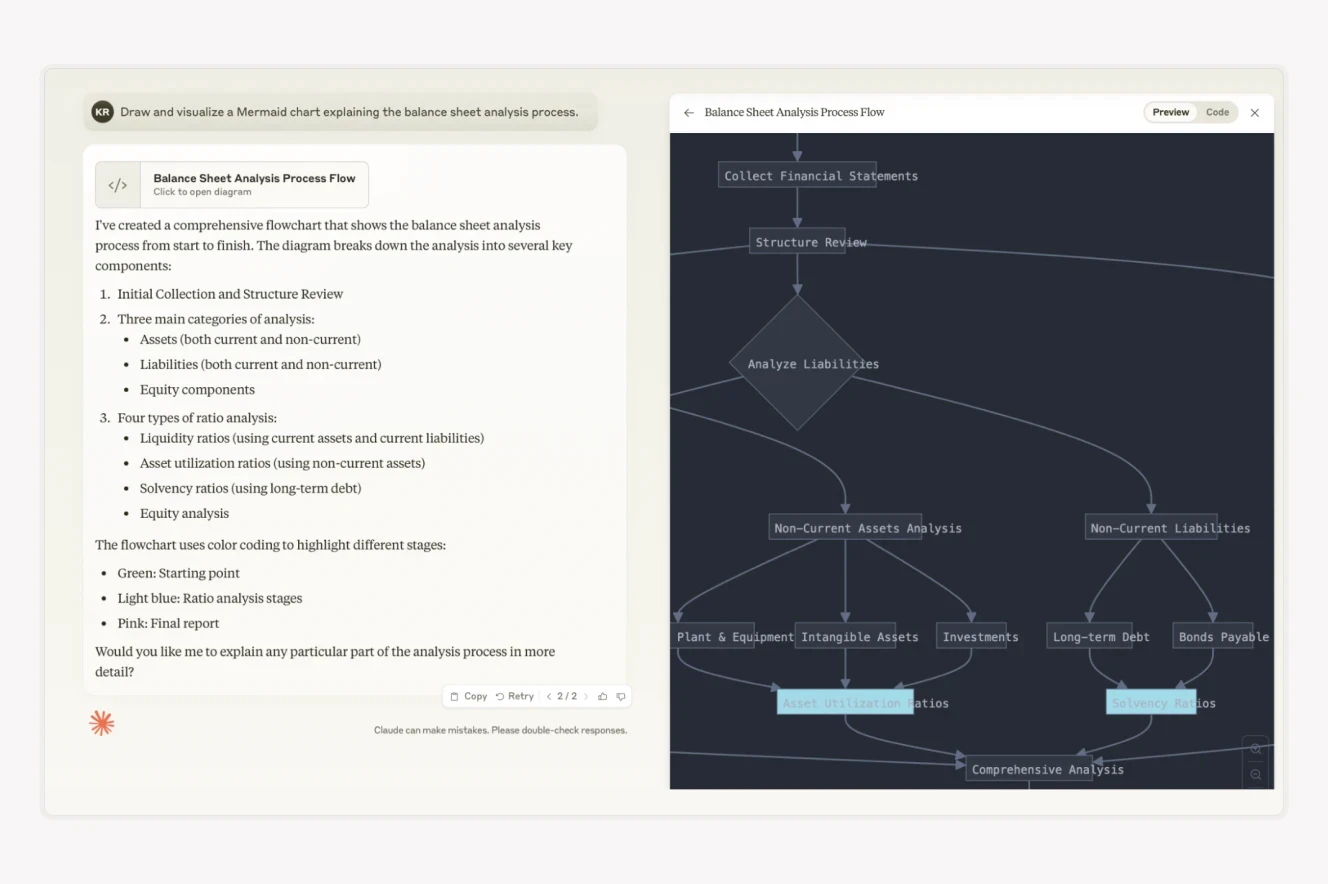
A QoE report is built on the underlying financial statements, but its job is to reinterpret them: to separate the earnings that repeat from the ones that do not.
Revenue analysis breaks the top line down by customer, product, and channel, and separates recurring revenue from one-off spikes; concentration, where a single customer is a large share of sales, is the thing to look for. The EBITDA bridge is the heart of the report, starting at reported EBITDA and working through every adjustment to a sustainable figure. Working capital analysis establishes the net working capital (NWC) peg, the normal level of working capital the business needs to run, which becomes the reference point for the true-up in the SPA. Cash flow analysis checks whether reported profit actually converts to cash. Accounting policies are reviewed for changes year on year, because a quiet change in method can manufacture earnings. And the report validates, or disputes, the adjustments management has proposed rather than accepting them at face value.
Red flags a QoE surfaces
A good report reads like a list of questions a seller would rather not answer. The recurring ones are worth knowing before you commission one: revenue recognised early to inflate the current period; a single customer above roughly a fifth of revenue; related-party transactions on terms that are not arm's length; owner compensation far above the market rate for the role; a change in accounting policy in the year before sale; gross margin sliding while revenue stays flat; and "one-time" items that somehow appear every year. Any one of these can move the price. Several together usually move the deal.
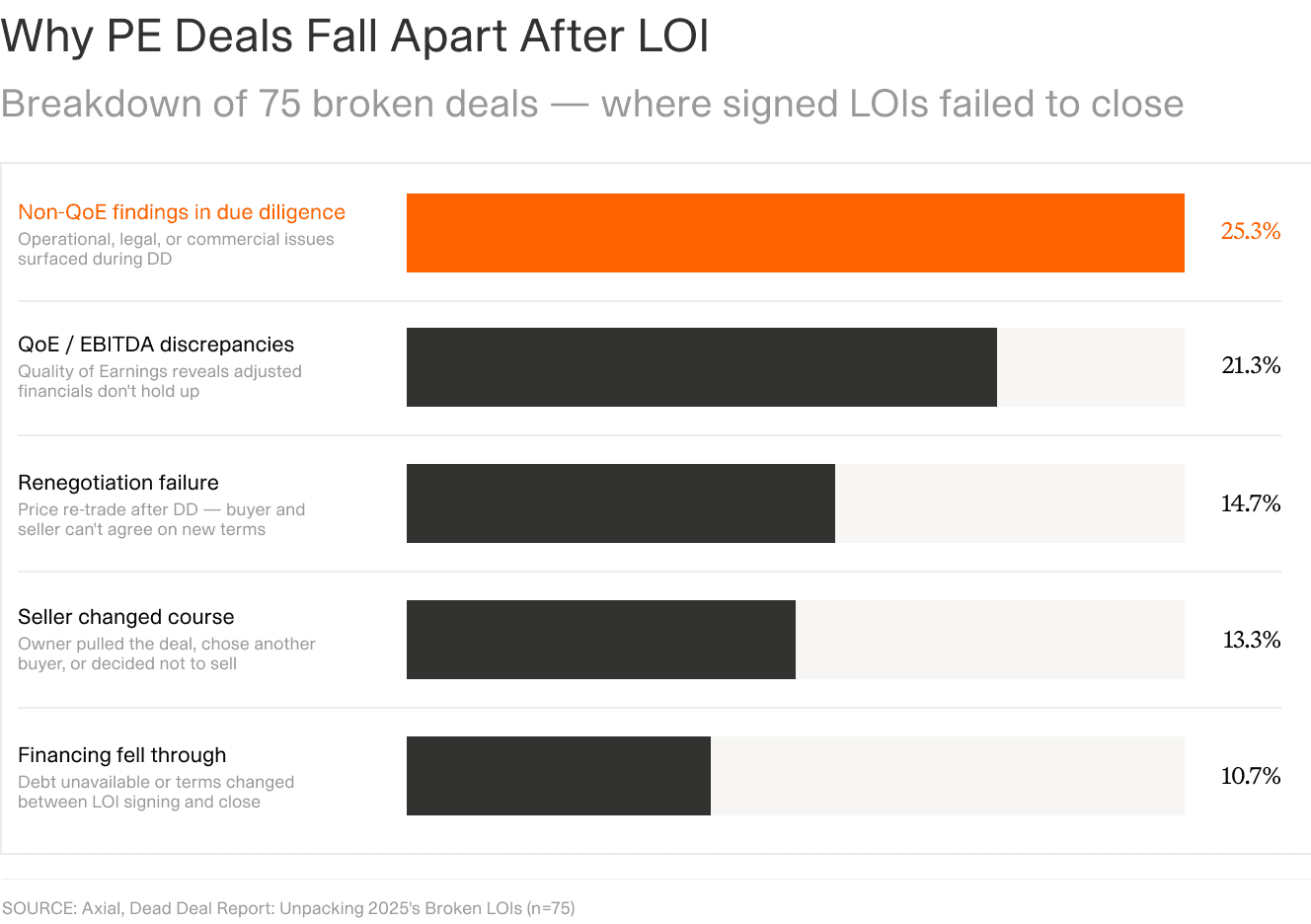
QoE and EBITDA discrepancies alone account for more than a fifth of deals that die after a signed letter of intent, and non-QoE findings surfaced during the same due diligence process account for another quarter. Source: Axial, Dead Deal Report, Unpacking 2025's Broken LOIs.











Key quality of earnings adjustments
The adjustments are the part of a QoE that no summary captures, because they are where reported profit becomes a number a buyer will underwrite. Every adjustment does one job: it moves reported EBITDA toward the figure the business will actually produce under new ownership. The arithmetic is simple; the judgement behind each line is not.
Normalised EBITDA = Reported EBITDA + Add-backs − Deductions
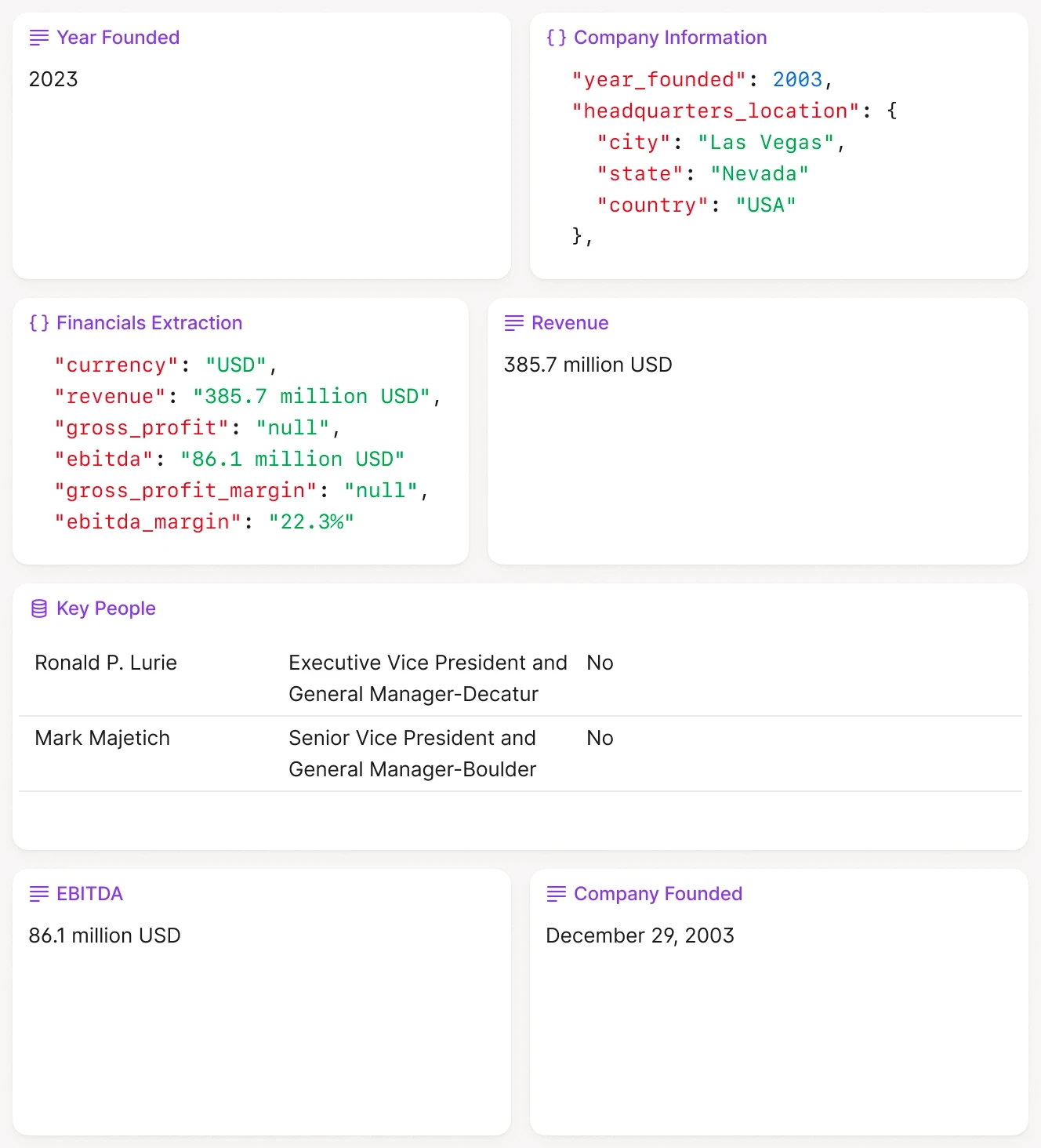
Every adjustment traces back to a line in the underlying financials. Getting from reported to normalised EBITDA is as much a data exercise as an analytical one.
1. Non-recurring revenue
Revenue that will not repeat is stripped out. A one-off insurance payout, a government grant, or a gain on selling an asset inflates a year's earnings without saying anything about the underlying business. If a company booked a large settlement in a single year, that amount comes out of that year's EBITDA. The red flag is the pattern: several "one-time" gains across three or more years usually means the business is using them to mask a real decline.
2. Non-recurring expenses
The mirror image. Costs that will not recur under new ownership are added back, because they overstate the true cost of running the business going forward. A litigation settlement, a facility move, or the fees from the deal itself are the common examples. The discipline here is honesty about what really will not recur: when add-backs consistently run well above a modest share of EBITDA, the normalisation has started to flatter rather than correct.
3. Owner compensation
Owners of private businesses pay themselves what suits them, not what the role is worth, so the QoE resets compensation to a market rate. An owner drawing far above the market salary for their role generates an add-back for the difference, because a new owner would hire a manager at market rate. The signal to watch is a payroll full of family members on above-market pay, which is normalisation waiting to happen and, occasionally, a governance problem waiting to surface.
4. Pro forma adjustments
Some adjustments look forward, annualising things that only partly appear in the current numbers: a customer contract signed late in the year, an acquisition completed mid-year, a cost saving already actioned. A new contract worth a seven-figure annual value that contributed only a fraction of that in the current period supports a pro forma add-back for the run-rate difference. The line to hold is signed versus speculative: a booked contract is a fair pro forma; a hoped-for one is not.
5. Working capital adjustments
This is less about EBITDA and more about the price mechanism. The QoE sets the net working capital peg from a historical average, and the SPA trues the final price up or down against it at close. If the normal level of working capital is higher than the balance delivered at closing, the seller owes the buyer the shortfall. The red flag lives in the receivables ageing: if collections slow in the months before a sale, the seller may be quietly draining working capital they will not have to replace.
6. Revenue recognition timing
The most technical adjustment, and often the most consequential. Under ASC 606, the US revenue recognition standard, and its international counterpart IFRS 15, revenue should be recognised as performance obligations are met, not when it flatters the period. A business that books a year of contract revenue up front overstates the current year and starves the next. The tell is deferred revenue falling sharply in the twelve months before a sale, which usually means tomorrow's revenue has been pulled into today.
Quality of earnings in M&A due diligence
A QoE earns its cost by changing the price or killing the deal before the buyer overpays, which is why it sits at a specific point in the process. It is commissioned after the LOI, once both sides are serious, and before the SPA is finalised, so its findings can feed the final price and the working capital mechanism. On a buy-side engagement the acquirer pays, and the independence of the number is the protection; on a vendor engagement the seller pays to get ahead of the questions, which tends to speed a process and support the price. It always runs alongside the other workstreams, and it pairs naturally with operational due diligence and the wider diligence a buyer runs. For scale, a mid-market QoE typically costs in the tens of thousands and takes four to eight weeks from data-room access to final report, with larger deals running higher on both, as the transaction advisory teams at firms like PwC and their peers set out.
What a buyer should check when the report lands is short and non-negotiable: a three-year EBITDA bridge that shows each adjustment category rather than a single normalised number; every management add-back independently validated, not accepted; a working capital peg built from a genuine historical average rather than a convenient month; revenue recognition policy documented and compared with prior years; related parties listed with arm's-length testing; and any scope limitations, such as restricted records or skipped management interviews, disclosed rather than buried. A report that hides its own limitations is the first red flag in the report itself.
How AI is changing quality of earnings analysis
The slow part of a QoE is not the analysis, it is the data, and that is the part AI is now taking off the critical path. Extracting and reconciling figures from trial balances, management accounts, bank statements, payroll records, and the data room's supporting schedules consumes the majority of a QoE team's hours, and almost none of it requires the judgement the fees are really paying for. It is reading numbers out of documents and lining them up, which is exactly the work AI has become good at.
In practice a capable platform extracts line-item financials from the mix of formats a data room actually contains, PDFs, Excel exports, and scanned statements, maps them into a standard EBITDA bridge, and flags the anomalies a human should look at, the large year-on-year swings and the "one-off" items that recur. It can cross-reference the dates revenue was recognised against the contract terms sitting elsewhere in the room, which is the revenue-recognition red flag caught early rather than late.
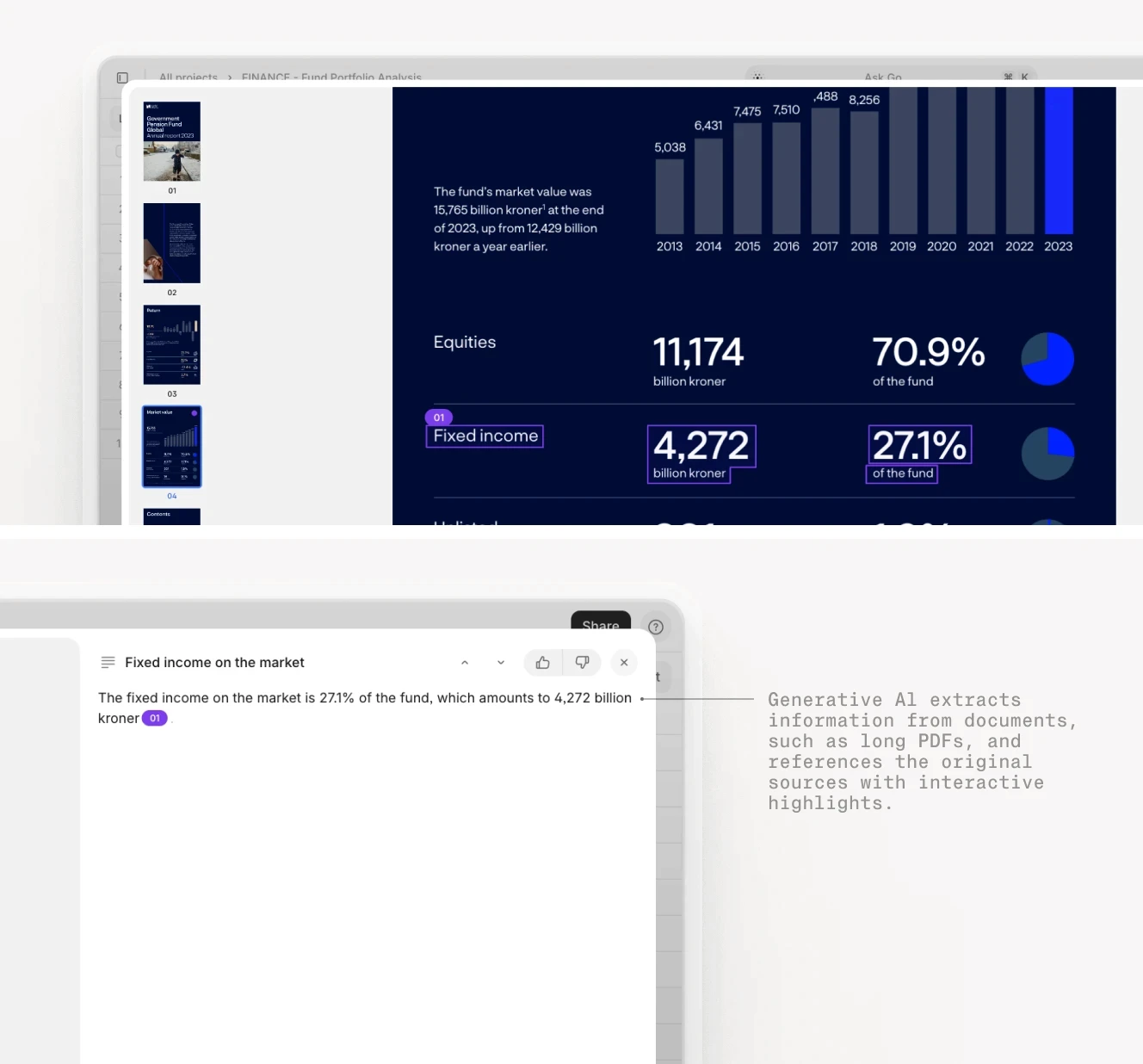
Every extracted figure stays linked to the line in the source document it came from, so an analyst reviews the adjustment rather than re-keying the number behind it.
This is the workflow V7 Go is built for. Its agents extract structured financial data from the heterogeneous documents behind a QoE at scale, and, because every extracted figure is linked back to the exact line in the source document, an analyst validates the bridge rather than rebuilding it by hand. The data-collection phase that used to run for weeks compresses toward hours, and the team spends its time on the adjustments that need judgement instead of the extraction that never did. It is the same capability that powers financial statement spreading and CIM extraction, pointed at the QoE workflow, and it runs through V7's financial statement analysis agent.
The gains compound past a single deal. Each QoE a firm runs, the data room uploaded, the schedules extracted, the bridge built, becomes a source the firm can draw on the next time it looks at the same sector or the same seller's related entities. V7's Context Graph is what holds that: connect a firm's data rooms, prior QoE reports, and management accounts, and the agent builds a relationship graph across deals instead of treating every target as a blank file. Ask it which of the last ten targets in a sector carried customer concentration above twenty percent, and the answer comes back grounded in the specific schedule it was pulled from, not a plausible-sounding guess. That kind of verifiable recall, not just faster extraction, is what separates AI for private equity diligence teams from a chatbot pointed at a data room.
The honest summary of a quality of earnings analysis is that it exists to replace the seller's number with the buyer's. Reported EBITDA is where the negotiation starts. Normalised EBITDA, once the one-offs, the owner's salary, and the pulled-forward revenue are stripped out, is where it should settle, and the distance between the two is often the difference between a good deal and a bad one.
For a buyer, the report is only as good as the scrutiny behind it, so read the bridge, not the summary, and treat every add-back as a claim to be tested rather than a figure to be accepted. For a seller, commissioning one early is how you find the awkward questions before a buyer's advisers do. Either way, the analysis is the judgement; the data-gathering underneath it is increasingly not something anyone should be doing by hand.
If you want to see the extraction and normalisation run against your own financials, V7 runs a working session built around your data room. That is the concrete next step, and it takes about the length of a diligence planning call.
What is a quality of earnings report?
A quality of earnings report, often shortened to QoE and sometimes written as QOFE, is the output of an analysis that examines whether a company's reported earnings are sustainable and repeatable rather than the result of one-off events or accounting choices. It is used in mergers and acquisitions, most often commissioned by a buyer during due diligence after signing a letter of intent and before completing the deal. The report works from reported EBITDA through a series of adjustments, removing non-recurring items, normalising owner compensation, and correcting for timing, to reach a normalised EBITDA figure that reflects the true earning power of the business. Alongside that bridge it typically covers revenue quality and concentration, working capital trends, cash flow conversion, and accounting policies. The purpose is not to confirm the accounts are correct, which is an audit's job, but to tell a buyer what the business genuinely earns and therefore what it is worth.
+
What does QoE stand for?
QoE stands for quality of earnings. It is the standard abbreviation for a quality of earnings analysis or report, the due diligence exercise that assesses whether a company's profits are sustainable and repeatable. You will also see the same thing written as QOFE, an abbreviation used by a number of accounting and advisory firms, and occasionally as Q of E. All three refer to the identical report, so the different spellings do not signal any difference in substance. One point of confusion is worth clearing up: quality of earnings, the report, is not the same as the quality of earnings ratio, which is a separate financial metric that divides operating cash flow by net income to gauge how much of a public company's reported profit is backed by cash. That ratio is a quick analytical screen; the QoE report discussed here is a detailed due diligence document prepared for a specific transaction.
+
What is the difference between a quality of earnings report and a financial audit?
An audit and a quality of earnings report answer different questions. An audit provides reasonable assurance that a company's financial statements comply with accounting standards such as generally accepted accounting principles; its output is an opinion on whether the accounts are fairly stated. A quality of earnings analysis takes those accounts as a starting point and asks a commercial question instead: how much of the reported profit is sustainable and will repeat under a new owner? It removes one-off gains and costs, normalises items like owner compensation, and corrects for revenue timing to reach a normalised EBITDA figure that a buyer can underwrite. The two are complementary rather than interchangeable. Audited financials are a valuable input to a QoE, because they give the analysis a reliable base to work from, but they do not answer the question a buyer actually has, which is what the business truly earns. A clean audit and a weak quality of earnings result can, and often do, coexist.
+
Who pays for a quality of earnings report?
In most cases the buyer pays for a quality of earnings report. The typical engagement is buy-side: an acquirer, often a private equity firm or a strategic buyer, commissions an independent accounting or financial advisory firm to analyse the target's earnings before completing the transaction, and the buyer bears the cost because the independent view protects them from overpaying. There is also a growing use of sell-side or vendor QoE reports, where the seller commissions and pays for the analysis before bringing the business to market. Sellers do this to identify and address problems in advance, to signal confidence to prospective buyers, and to speed up the process by giving buyers a credible starting point. Whoever commissions it, the firm performing the work is independent of the company being sold, and specifically is not the company's own auditor, because independence from the numbers under examination is essential to the report's credibility. Cost for a mid-market business generally runs into the tens of thousands.
+
How long does a quality of earnings report take?
Quality of earnings adjustments are the changes a QoE analysis makes to reported EBITDA to arrive at a normalised figure that reflects sustainable earnings. They fall into a handful of categories. Non-recurring revenue adjustments strip out gains that will not repeat, such as a one-off grant or an asset sale. Non-recurring expense adjustments add back costs that will not recur under new ownership, such as a legal settlement or the deal's own transaction fees. Owner compensation adjustments reset an owner's above-market or below-market pay to a market rate for the role. Pro forma adjustments annualise items only partly reflected in the current period, such as a contract signed late in the year, provided they are genuinely contracted rather than speculative. Working capital adjustments establish the normal level of working capital the business needs, which sets the reference point for the price true-up. And revenue recognition adjustments correct for revenue booked in the wrong period. Together these move the reported number to one a buyer can rely on.
+
What are quality of earnings adjustments?
Go is more accurate and robust than calling a model provider directly. By breaking down complex tasks into reasoning steps with Index Knowledge, Go enables LLMs to query your data more accurately than an out of the box API call. Combining this with conditional logic, which can route high sensitivity data to a human review, Go builds robustness into your AI powered workflows.
+
Casimir is a seasoned tech journalist and content creator specializing in AI implementation and new technologies. His expertise lies in LLM orchestration, chatbots, generative AI applications, and computer vision.