21 min read
—



Casimir Rajnerowicz
Content Creator
V7 Go
A smarter way to manage due diligence and underwriting
An HSR filing is a premerger notification submitted to the Federal Trade Commission and the US Department of Justice for certain acquisitions before they close. Under the Hart-Scott-Rodino Act, a reportable transaction must observe a waiting period while the agencies assess whether to investigate its competitive effects. If either agency issues a Second Request, the document work and closing timetable can change substantially.
For a private equity deal team, the practical challenge starts well before submission. The fund structure sits with sponsor counsel. Portfolio-company finance holds the revenue data. An investment committee presentation contains the acquisition rationale, while a banker has the earlier version with different market assumptions. The filing team needs to identify which materials belong in the submission and obtain them intact.
The diligence room helps, but it rarely answers every collection question. An executive's presentation, a consultant's market study or an attachment circulated outside the deal room may matter. A complete commercial review does not establish that the HSR document search is complete.
The process also needs current instructions. As of September 9, 2026, the FTC accepts the form used before the expanded February 2025 requirements, following a court decision vacating the newer form. DOJ separately announced a return to targeted Second Request investigations in July 2026. Those developments affect different parts of the process; they should not be collapsed into a single checklist labelled "new HSR rules."
This guide connects the legal requirements to the work your team must organize: entity information, source documents, confirmed dates and accountable reviewers. It explains the US filing process at a practical level, with antitrust counsel responsible for applying the rules to your transaction. The broader M&A due diligence process supplies useful inputs, while the HSR workstream needs its own scope and sign-off.
In this article:
Understand the 2026 thresholds, current form and documents needed to prepare an HSR filing.
Plan for the initial waiting period and the additional work triggered by a Second Request.
Build a document-owner checklist and use AI to prepare evidence for counsel's review.
The useful output is a record another reviewer can follow: what was collected, what remains missing, which decisions were made and which event controls the next deadline.
HSR filing requirements and the 2026 thresholds
Start with the transaction's reportability, including the parties, what is being acquired, its value under the HSR rules and any applicable exemption. A headline enterprise value or the amount of the sponsor's equity check is insufficient to settle the question. Counsel needs the underlying ownership and valuation facts.
Identify the filing persons and the relevant value
The analysis generally considers commerce, size of transaction and, where applicable, size of person. A filing person includes its ultimate parent entity, or UPE, and entities it controls under the HSR rules. In a PE structure, the familiar sponsor name does not automatically identify the UPE. Supply organization charts and governing documents so counsel can assess the actual structure.
Be precise about the interest being acquired. An asset acquisition, voting-securities purchase and acquisition of non-corporate interests can raise different valuation and control questions. A minority voting-securities investment may still require notification. Previous holdings and related purchases can affect the analysis, so include them in the fact pack rather than starting with this transaction's new cash payment alone.
The FTC's reportability framework sets out the tests and exemption step. Its original statutory figures are described as adjusted amounts. Use the current annual thresholds when applying that framework.
The data room provides useful starting material. Counsel's collection instructions determine which additional records are needed for the filing.
Apply the thresholds and fee bands separately
The 2026 minimum size-of-transaction threshold is $133.9 million, effective February 17, 2026. The transaction must exceed that threshold to satisfy this size test. The following table describes the size analysis; commerce requirements, valuation rules and exemptions still need to be considered.
HSR transaction value | Size-test consequence in 2026 |
|---|---|
$133.9 million or less | Does not exceed the minimum size-of-transaction threshold. |
More than $133.9 million, up to and including $535.5 million | The size-of-person test generally also applies. |
More than $535.5 million | The size-of-person test is not required; other reportability requirements and exemptions still matter. |
The relevant adjusted size-of-person figures are $26.8 million and $267.8 million. Whether assets or annual net sales satisfy the test depends on the applicable rules, including the treatment of a smaller acquired non-manufacturing person. Give counsel the supporting financial statements and entity perimeter instead of marking the test complete from one revenue figure.
Filing fees have separate bands. For reportable transactions under the schedule effective February 17, 2026:
Transaction value | Filing fee |
|---|---|
Below $189.6 million | $35,000 |
At least $189.6 million, below $586.9 million | $110,000 |
At least $586.9 million, below $1.174 billion | $275,000 |
At least $1.174 billion, below $2.347 billion | $440,000 |
At least $2.347 billion, below $5.869 billion | $875,000 |
$5.869 billion or more | $2,460,000 |
For example, assume counsel determines that two hypothetical acquisitions are reportable and have HSR values of $140 million and $190 million. With waiting periods beginning under this schedule, their fees would be $35,000 and $110,000 respectively. That comparison illustrates fee bands; it does not independently establish either deal's filing obligation.
The FTC's 2026 threshold guidance also separates the relevant dates: reportability uses the threshold in effect at closing, while the filing-fee schedule generally depends on when the waiting period begins. Record both dates if the deal straddles an annual adjustment.
Build the filing around the current form and source documents
Confirm the accepted form before circulating a document request. As of September 9, 2026, the FTC's instructions allow filings using the form that preceded the February 10, 2025 expansion. Teams that saved a 2025 checklist need to check its requirements against the current position.
Record which form and instructions counsel selected
A federal district court vacated the expanded form on February 12, 2026. On March 19, the court of appeals denied the FTC's request for a stay pending appeal. The FTC's current form notice says the agencies accept the earlier form and instructions; they also continue to accept the February 2025 materials if filers voluntarily use them.
That means a guide describing every expanded narrative requirement as mandatory is out of step with the notice. Counsel should choose the applicable materials, record the version and check the notice again before submission. Keep the selected instructions beside the working checklist so people collecting documents can resolve questions against the same source.
The form contains more than deal documents. Ownership information, financial reports, revenues and transaction details require coordinated inputs. Name a person responsible for each answer, the source supporting it and any unresolved assumption. Where two teams report different entity names, reconcile the difference before carrying it into the submission.
Collect the defined document categories
Under the pre-February-2025 instructions, Item 4(c) covers certain studies, surveys, analyses and reports prepared by or for officers or directors to evaluate the acquisition in relation to competition, markets and related subjects. Similar functions matter for unincorporated entities. A document's title does not determine whether it falls within the category.
Item 4(d) separately addresses confidential information memoranda, specified third-party-adviser materials and analyses of synergies or efficiencies. The instructions apply a one-year period to the specified memorandum and third-party-adviser categories. That is not a universal one-year limit for every document collected under Items 4(c) and 4(d). Use the category-specific instructions when defining the search.
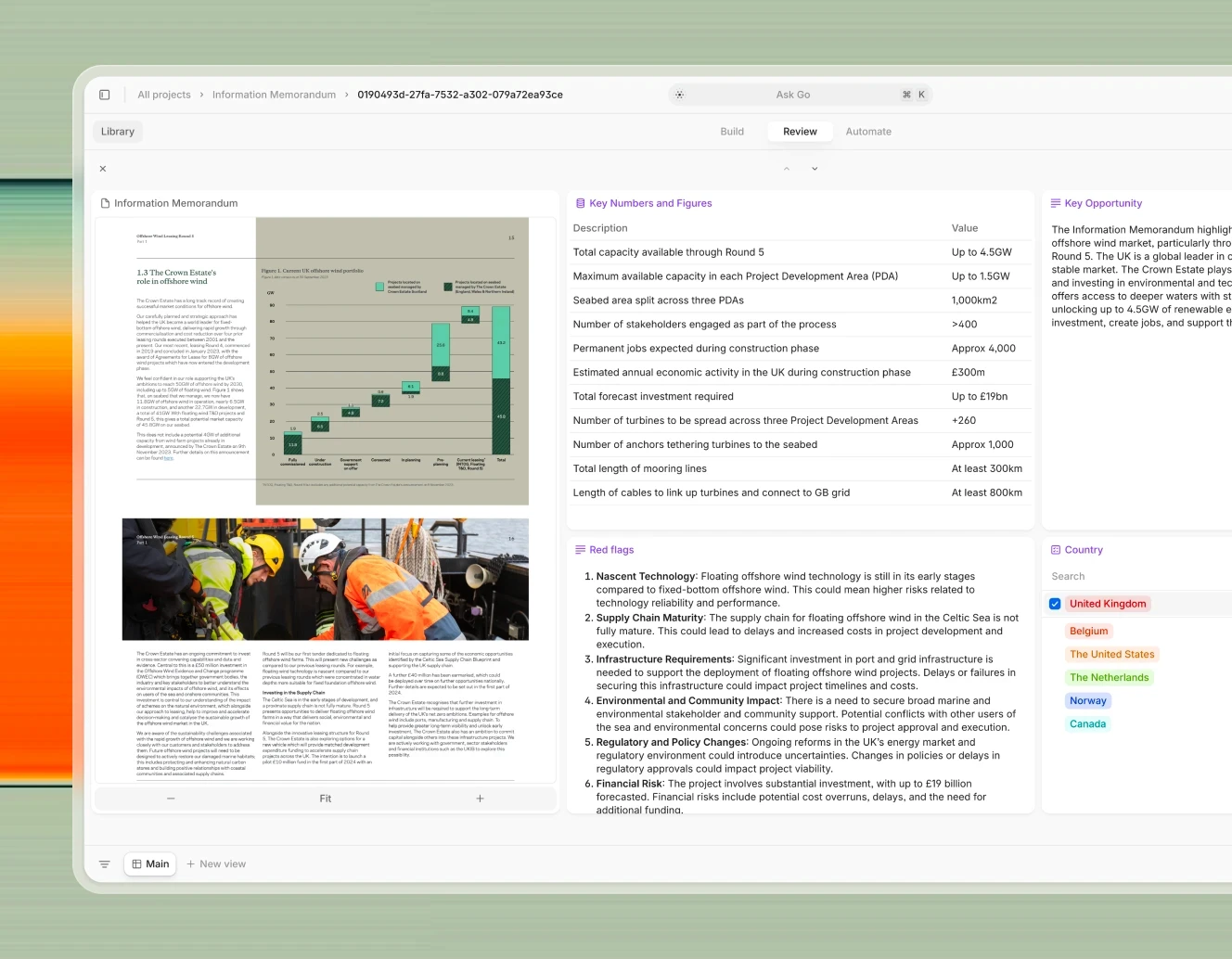
An illustrative V7 Go information-memorandum view shows source material beside extracted fields. Filing review still requires the underlying document and its preparation context.
A practical request asks who prepared a document, for whom, when and for what purpose. Include officers, directors and relevant advisers in that inquiry. Have counsel assess drafts and versions under the applicable guidance instead of treating the file named "final" as the only candidate. The current form instructions set out the document categories, identification details and privilege-log requirements.
Consider an investment committee deck describing a target as the only local alternative to a portfolio company. The same deck may be useful for commercial diligence and potentially relevant to counsel's Item 4 review. Preserve the original and the distribution context. An analyst's revised summary, even if clearer, answers a different question from what decision-makers actually received.
A summary cannot stand in for a responsive original.
That distinction also applies to outputs from AI due diligence. Extracted company names and cited passages can help reviewers find material. They should point back to preserved sources, with missing attachments and unreadable files raised as open issues.
Keep the submission record intact
Recent enforcement illustrates the stakes. In August 2026, DOJ filed a proposed $250 million settlement with KKR to resolve allegations of HSR violations involving at least 16 transactions. The allegations included altering documents, omitting required materials and failing to file. The announcement describes a proposed settlement, not an entered final judgment.
The operational lesson is concrete: preserve the collected file, document counsel's treatment of it and reconcile the final submission against the reviewed inventory. If something was withheld or redacted for privilege, retain the legal decision and required log. Certification should be supported by completed collection and review work, not a general assurance that the deal team has seen everything important.
Plan the waiting period around confirmed milestones
Build the HSR calendar from confirmed filing events. For an ordinary negotiated transaction, the initial waiting period is generally 30 days after the required filings and fee have been received. Cash tender offers and certain bankruptcy transactions generally have a 15-day initial period. Counsel should calculate the applicable expiry, including the rules for weekends and holidays.
A signed purchase agreement does not start the clock.
For most transactions, both sides need to file before the waiting period begins. Record the actual start confirmed for the matter, any deficiencies and any subsequent change. An internal target date for submission is useful for project management, but it should remain distinguishable from the legal date controlling the standstill.
Understand what a Second Request changes
A Second Request is a formal request for additional information and documentary material. In an ordinary transaction, it extends the process until both parties substantially comply, followed by an additional 30-day waiting period. The post-compliance period is generally 10 days for cash tender offers and certain bankruptcy transactions, with transaction-specific rules about whose compliance controls.
The FTC's merger-review process guide explains these stages. Issuing a Second Request does not itself prohibit the transaction permanently; it opens a more extensive investigation. Conversely, expiration or early termination of the HSR waiting period is not substantive approval of the merger and does not rule out a later challenge.
Suppose an ordinary negotiated deal has a confirmed waiting-period start, and a Second Request arrives on day 22. The team cannot keep the original day-30 closing assumption. If the buyer later substantially complies before the seller, the buyer's milestone alone does not start the ordinary 30-day post-compliance period. Track both parties' positions and counsel's confirmed calculation.
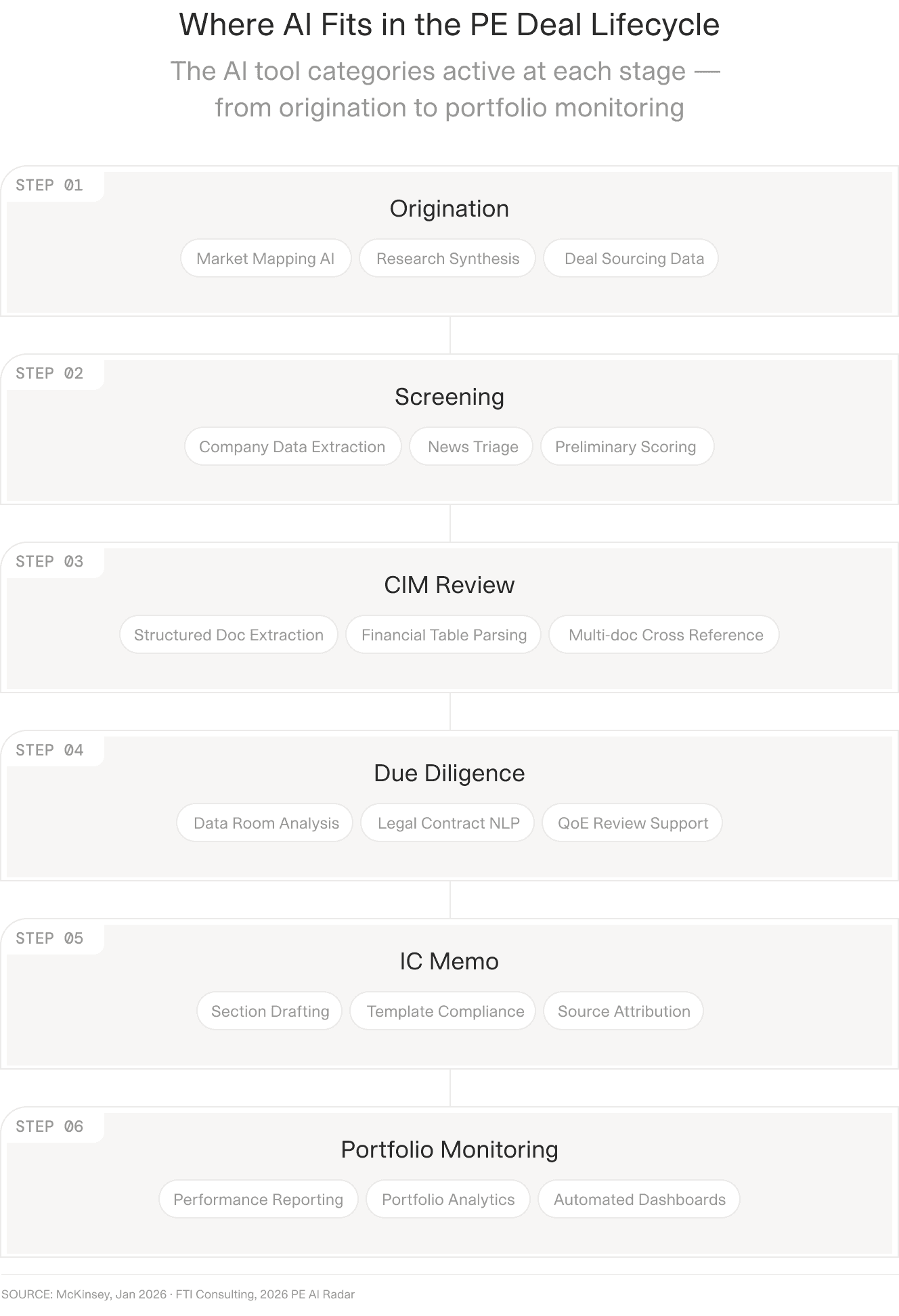
The broader PE deal lifecycle provides the operating context. HSR milestones require a separate legal calendar and may affect several workstreams at once.
Connect the legal calendar to the deal calendar
Maintain separate entries for the statutory period, contractual obligations and any negotiated timing agreement with the reviewing agency. The purchase agreement may contain an outside date, cooperation requirements and commitments about regulatory efforts. Those terms can affect decisions even when the statutory waiting period has a clear endpoint.
Use purchase agreement analysis to assemble the relevant clauses for review, then have counsel confirm their meaning. A date extracted from an agreement should retain its label and source. "Outside date," "filing deadline" and "expected close" are not interchangeable calendar fields.
The deal team also needs a response plan when assumptions change. Assign ownership of updates to lenders, internal approvals and closing logistics, with external communications controlled by the appropriate deal leads. Keep pre-close operating conduct and information sharing within counsel's instructions throughout the process.
Finally, record what an agency communication actually says. Interagency clearance identifies which agency will review a matter; it is different from a decision to close an investigation. A status entry should link to the underlying communication and identify who interpreted it. This avoids turning a shorthand label in a weekly deal update into unsupported permission to close.
Scope a Second Request before the review expands
Translate the served Second Request into a collection and response plan before treating it as a bulk document-review exercise. Its definitions, specifications and instructions establish the work to be done. Counsel's discussions with the agency may narrow or clarify that work, but the team needs a written record of the agreed scope.
Map specifications to people, systems and data
Start with a specification register. For each request, record the relevant business, products, geography, time period, custodians and information systems. Distinguish requests for documents from requests for structured data, written explanations or other information. A review team can finish coding its documents while an important customer-level data response remains incomplete.
Custodians are the people whose records may need to be collected. Identifying them requires more than an organization chart. Ask who made the decisions, maintained the analyses or communicated about the subjects under investigation. Include the relevant roles over the requested period, taking account of departures, promotions and changes in responsibility.
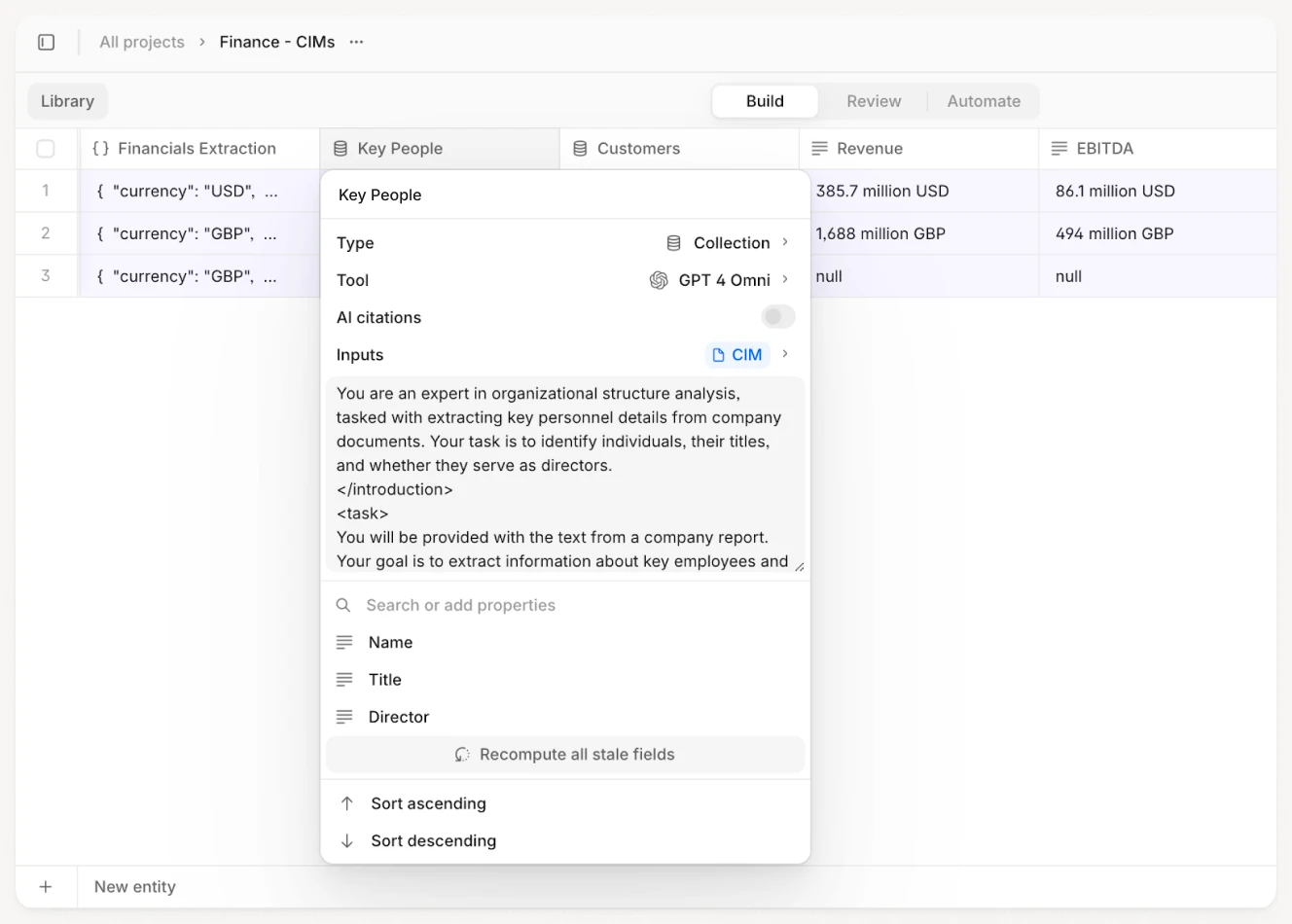
Extracting names and roles can help prepare a people map. Counsel and business owners must verify the relevant custodians, responsibilities and time periods.
Next, map where those records live: email, shared drives, collaboration tools, mobile communications, databases and archives as applicable. Ask IT about retention settings, inaccessible accounts and systems inherited through earlier acquisitions. For a portfolio business assembled through add-ons, the current system map may omit historical records held elsewhere.
For structured data, assign both a business owner and a technical owner. Revenue by customer may require customer identifiers, product mappings, returns, currencies and a definition of the reporting period. Supply a data dictionary and document transformations. A technically valid export can still answer the wrong question if the business definition is unclear.
A useful scope discussion is supported by facts. If a specification reaches several years of records across multiple systems, show counsel the estimated volumes, system differences and gaps. Those facts inform a discussion with the agency about a workable response. Quietly applying a narrower search because the original looks expensive leaves the team unable to explain its coverage.
Consider DOJ's targeted review option
On July 23, 2026, DOJ announced a return to targeted Second Request investigations. Parties and the Antitrust Division can enter a timing agreement prioritizing information that may resolve key questions before full compliance. After reviewing that material, the Division may close the investigation, modify the request or require full compliance.
The accompanying model timing agreement provides an expedited-consideration framework. It is a basis for a negotiated agreement, not a universal promise of faster clearance. This DOJ process does not rewrite the statutory waiting periods or automatically apply to FTC investigations.
For the working team, the distinction matters most in the response register. Mark which deliverables belong to priority production, which remain in the broader request and which dates counsel has agreed. Do not close the remaining items simply because a priority package was sent. Preserve the ability to continue if the Division requires more information.
Bring the economics and data teams into this planning early. A priority question about customer alternatives may depend on data definitions and supporting documents from several departments. Give each dependency an owner so the team can explain what is available, what needs reconstruction and what cannot reliably be produced from existing records.
Preserve, review and produce a defensible document set
A defensible response preserves the relationship between collected records, review decisions and produced material. Treat preservation, analysis and production as distinct responsibilities with controlled handoffs. An extracted table can help counsel review a file; it does not by itself establish that the required records were preserved or produced correctly.
Keep original records and collection history
Work with counsel, IT and the discovery team to implement the appropriate preservation and collection process. Record the source system, custodian, collection date and collection method. Preserve native files and relevant metadata according to the applicable instructions, including relationships between messages and attachments.
Version history can matter. A spreadsheet copied into a PDF may lose formulas; a forwarded email may omit an attachment; a collaborative document may have existed in several materially different forms. Identify these limitations before reviewing a convenient export as though it represented the complete source. Maintain a clear path from a review identifier back to the collected record.
Track exceptions explicitly. A password-protected file, corrupted export or missing archive should have an owner and a disposition. "No results" should describe a completed search under the documented method. It should not hide a failed extraction or a source that was never collected.
Document the technology used in review
The FTC's Model Second Request illustrates the level of process detail involved. Instruction I5 calls for a written description before using technology, including search terms, email threading, deduplication or technology-assisted review, to identify or eliminate potentially responsive material. It also specifies information about search terms and, for technology-assisted review, expert review, statistics and validation.
The actual request served on the parties, together with agreed modifications, governs the matter. Have counsel address applicable requirements with agency staff before a tool changes the population being searched or reviewed. A method that helps analysts navigate documents can have different consequences when used to exclude them from consideration.

An illustrative tool-selection view. The selected methods and their role in review should be documented; model availability alone says nothing about a production's completeness.
AI document classification can support tasks such as organizing candidate memoranda, presentations and contracts. Test those categories against reviewed examples and make uncertainty visible. Avoid allowing an unverified label to become an automatic deletion, non-responsive decision or basis for certifying completeness.
Privilege requires its own legal review. A file copied to counsel is not automatically privileged, and a business-sensitive document is not necessarily protected from production. Route proposed privilege treatment to the legal team and maintain the required log. Apply redactions only through the approved process, with checks that the final output reflects the decision.
Reconcile the production to the approved review
Before delivery, reconcile the production inventory against the approved set and the applicable specifications. Check document counts, identifiers, attachments, native files, metadata and required load-file fields. Confirm that withheld material and redactions correspond to the legal decisions and logs. Investigate unexplained differences rather than assuming that a successful export means a complete response.
Sample the produced output as a recipient would use it. Open native spreadsheets, inspect document images, follow family relationships and confirm that search and indexing behave as expected in the approved production format. The person approving delivery should be able to see which checks were performed and how exceptions were resolved.
Keep a final record of the production version, its transmittal and subsequent corrections. If a later issue requires supplemental material, the team should be able to identify which earlier delivery it affects. That history supports counsel's assessment of the response and prevents inconsistent copies from circulating as the supposed final set.
Assign owners to the filing and production checklist
Use a checklist that names the evidence needed to complete each task. A percentage-complete field can summarize progress, but counsel needs to know which unresolved items affect submission, substantial compliance or closing. The table below is a practical starting point for assigning responsibility; adapt it to the actual transaction and request.
Work item | Lead owner | Evidence needed before completion |
|---|---|---|
Reportability and filing persons | Antitrust counsel, supported by sponsor legal and finance | Reviewed structure, valuation facts, threshold analysis and exemption conclusion. |
Form selection and filing answers | Filing counsel and designated business owners | Current instructions, sourced responses and resolved entity or financial-data differences. |
Item 4 document collection | Counsel, deal lead and relevant custodians | Document inventory, search follow-ups, originals and legal treatment of each candidate. |
Submission and initial clock | Filing counsel, with treasury for the fee | Submission record, payment evidence and confirmed waiting-period start. |
Second Request scope and data | Antitrust counsel, business owners and IT | Specification register, agreed modifications, system map and data definitions. |
Review and production | Review counsel and discovery team | Documented method, reviewed set, privilege decisions and production reconciliation. |
Compliance and closing conditions | Antitrust and transaction counsel | Supported compliance position, current legal calendar and satisfaction of applicable deal conditions. |
Assign one person to maintain the register even when several teams contribute. Give each open item a next action and an escalation date. For example, "CFO archive pending" should identify who is obtaining access, what period is missing and which document categories may be affected.
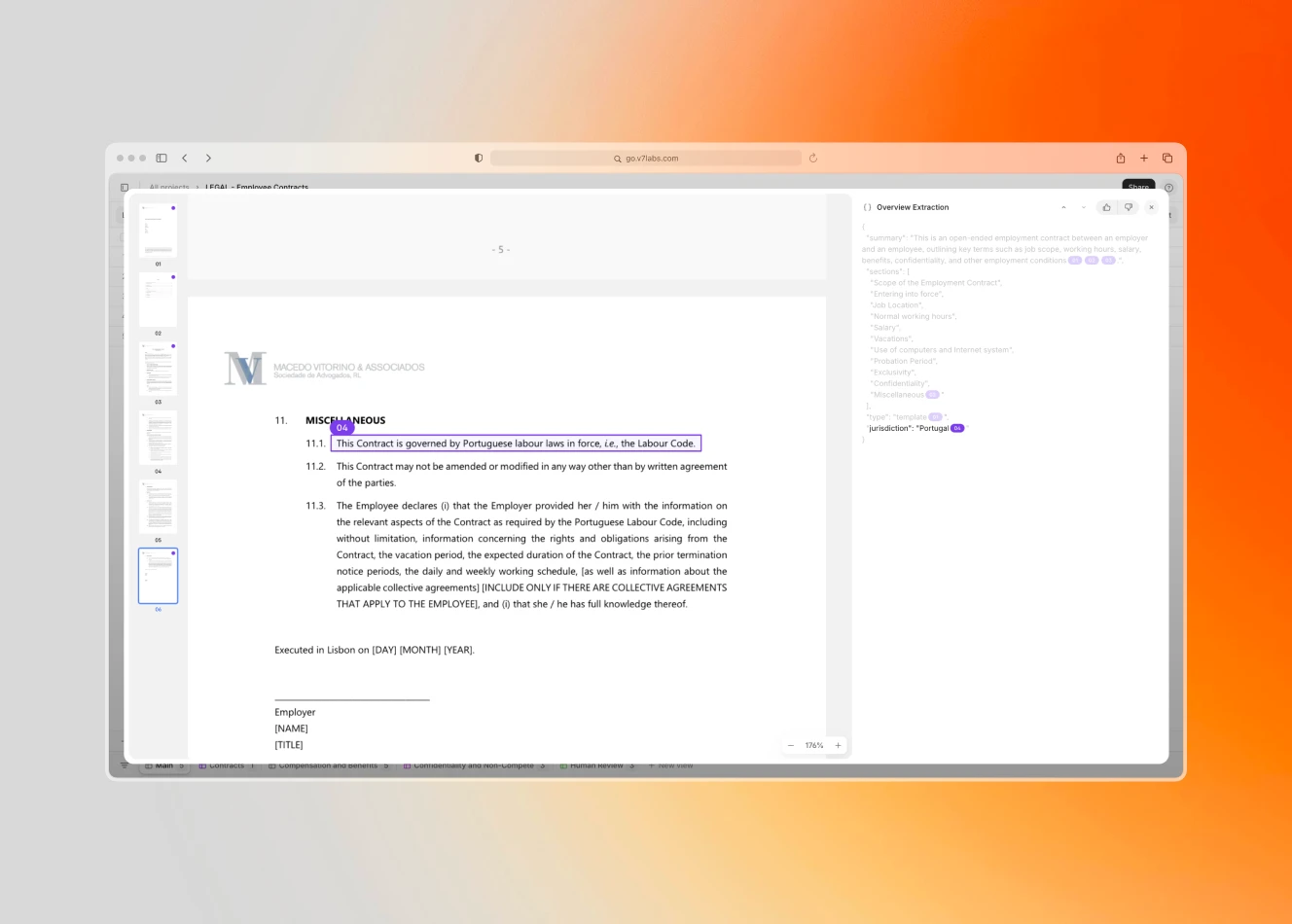
A source-linked contract view illustrates the review handoff. The displayed agreement is an example of document navigation, not an HSR filing or an antitrust determination.
Keep collection status separate from legal disposition. "Collected," "reviewed," "privileged," "included in filing" and "produced" describe different events. If the system uses a single status column, an early completion mark can obscure unfinished work further down the process.
The same discipline applies to shared repositories. A source may appear in diligence, filing preparation and Second Request review with different identifiers and treatment. A well-maintained contract repository can help preserve source references and versions, but the matter register should still record the applicable legal decision and submission history.
Consider a late-discovered attachment to an investment committee email. The analyst should preserve it and notify the designated reviewer, who assesses its relevance and any effect on work already completed. The register should show the discovery, review and resulting action. This gives counsel a specific issue to resolve while other unaffected tasks continue.
Use the weekly deal meeting to escalate dependencies, not to decide legal questions by consensus. A blocked data extraction may need technical resources; a disputed privilege call needs the responsible lawyer. Clear ownership directs each issue to someone able to resolve it.











Prepare evidence for counsel's review with V7 Go
V7 Go can support an HSR workstream by organizing permitted source material and preparing structured evidence for review. The useful starting point is a defined deliverable, such as a candidate-document register with source references and unresolved questions. Counsel and the discovery team should first approve where this work fits within the matter's collection and review process.
Connect firm context to a defined review task
V7 Go is AI infrastructure for private markets. Its Context Graph connects firm-specific information so work can draw on the relevant business context. In a proposed filing-support workflow, that context could include counsel-approved entity names, portfolio-company relationships and the transaction's agreed document categories.
The new V7 Go onboarding screen starts with private-markets context. A filing-support workflow would then need the matter's approved scope, sources and review instructions.
Context must stay within the matter's permitted access and use. An entity map can help identify that two names refer to the same business, but counsel still determines the HSR filing person. Preserve conflicting names as exceptions until someone verifies the relationship.
Break the work into defined steps using the right tools: read the document, identify candidate names and dates, extract relevant passages, attach source references and flag missing information. Use structured fields so reviewers receive comparable records across files. That repeatable output format makes review easier without implying that a model's interpretation is automatically correct.
Build and test the handoff with solutions engineers
V7's solutions engineers build workflows with your team. For this use case, scope the handoff with legal operations and the discovery team before configuring the extraction. A proposed output might contain a document identifier, source location, author, recipient, preparation date, candidate category, cited passage, reviewer and unresolved issue.
Keep legal conclusions in separate, reviewer-controlled fields. A candidate Item 4 category should remain a suggestion until counsel assesses the relevant facts. The workflow should surface missing authors or attachments instead of inventing them, and it should preserve access to the source when a reviewer disagrees with an extraction.
Test the configuration on a permitted sample from a completed matter whose relevant facts have already been reviewed. Include difficult files: a scanned presentation, conflicting entity names, a missing attachment and a document that resembles a responsive category but falls outside the approved scope. Check missed candidates as well as incorrect suggestions.
Measure the resulting work product: whether references open the right source, extracted fields are supported, exceptions reach an owner and reviewers can correct errors. Have counsel determine any additional validation required for the proposed use. These checks evaluate the configured task; they do not establish legal substantial compliance or replace production validation.
To scope that handoff, bring a representative document set, the approved output fields and the team's review requirements to V7's solutions engineers. Keep preservation, formal production, certification and filing submission with the systems and professionals responsible for those functions.
An effective HSR workstream leaves a clear trail from the filing decision to the final legal milestone. Start with the current requirements, identify the people and records needed, and give unresolved items an owner. If a Second Request arrives, expand the scope through a documented process that preserves the link between collected evidence, review decisions and production.
AI can help prepare that evidence when its role is defined and tested. The next practical step is to agree the source-document register with counsel, then use a representative sample to verify that the handoff works before scaling it across the matter.
What is an HSR filing?
An HSR filing is a premerger notification submitted to the Federal Trade Commission and the Department of Justice for a transaction that meets the Hart-Scott-Rodino Act's requirements and is not exempt. It gives the agencies information to assess the transaction before closing. The process generally includes a statutory waiting period, during which an agency may decide to investigate further. Filing does not establish that a transaction is lawful, and expiration of the waiting period is not substantive merger approval. For a deal team, preparation involves confirming the filing persons, supplying financial and ownership information, collecting required documents and supporting counsel's review. The applicable transaction structure, valuation rules, thresholds and exemptions determine whether a filing is required.
+
What is the HSR filing threshold in 2026?
The minimum size-of-transaction threshold is $133.9 million under the schedule effective February 17, 2026. A transaction must exceed that figure to satisfy the minimum size test. For transactions above $133.9 million and at or below $535.5 million, the size-of-person test generally also applies. Above $535.5 million, that additional size test is not required, although other requirements and exemptions still matter. The adjusted size-of-person figures are $26.8 million and $267.8 million, subject to the relevant assets and annual-net-sales rules. These figures are not a substitute for valuing the transaction under HSR rules. Counsel should also distinguish reportability thresholds from filing-fee bands and check which annual schedule applies to the relevant dates.
+
Is the expanded 2025 HSR form still required?
As of September 9, 2026, the FTC accepts the form and instructions used before the February 10, 2025 expansion. A federal district court vacated the expanded form on February 12, 2026, and the court of appeals denied the FTC's request for a stay pending appeal on March 19. The agencies also continue accepting filings under the February 2025 form if filers voluntarily choose to use it. A team should therefore check the FTC's current form notice before reusing an older checklist or assuming every expanded requirement remains mandatory. Record the form version selected by counsel and keep the matching instructions with the working materials. The litigation and agency guidance should be checked again before submission.
+
How long is the HSR waiting period?
For an ordinary negotiated transaction, the initial waiting period is generally 30 days after the required filings and fee have been received. Cash tender offers and certain bankruptcy transactions generally have a 15-day initial period. A Second Request changes the timetable: for an ordinary transaction, the process continues until both parties substantially comply, followed by another 30-day waiting period. The applicable post-compliance period is generally 10 days for the specified tender-offer and bankruptcy exceptions, with transaction-specific compliance rules. Counsel should confirm the actual start and expiry, applicable calendar rules, any early termination and any timing agreement. A planned filing date or a signed purchase agreement does not by itself establish when the statutory period begins.
+
What does a Second Request require?
AI can help organize permitted source material, identify candidate documents, extract names and dates, and prepare source-linked records for legal review. A useful workflow shows where each extracted field came from and flags missing or conflicting information. Its role should be agreed with counsel and the discovery team, particularly if technology will identify or eliminate potentially responsive material. V7 Go can be configured to prepare structured evidence using firm context and defined processing steps, with solutions engineers working alongside the team. Counsel remains responsible for legal judgments such as reportability, responsiveness, privilege and substantial compliance. Preservation, formal production and submission also need their established controls. Test the specific workflow on reviewed examples before using it across a live matter.
+
How can AI help with HSR filing and Second Request preparation?
Go is more accurate and robust than calling a model provider directly. By breaking down complex tasks into reasoning steps with Index Knowledge, Go enables LLMs to query your data more accurately than an out of the box API call. Combining this with conditional logic, which can route high sensitivity data to a human review, Go builds robustness into your AI powered workflows.
