26 min read
—



Casimir Rajnerowicz
Content Creator
V7 Go
A smarter way to manage due diligence and underwriting
A side letter in private equity is a confidential bilateral agreement between a general partner (GP) and a specific limited partner (LP) that modifies or supplements the terms of the fund's limited partnership agreement (LPA) for that investor only. Side letters grant bespoke rights and impose specific obligations without amending the main fund document for all participants.
Consider a mid-market buyout fund with 22 institutional LPs. Of those, 18 have signed side letters. The fund's compliance team is now responsible for tracking 340 individual obligations — MFN elections, co-investment notification windows, bespoke reporting frequencies, excuse rights tied to specific regulatory conditions, and fee discount thresholds tied to commitment size. None of these appear in the LPA.
The Institutional Limited Partners Association (ILPA) has flagged side letter proliferation as one of the most significant operational burdens facing fund managers today. The average institutional fund runs with 15 to 30 active side letters. Larger funds with sovereign wealth fund or pension fund investors may carry 50 or more, each with its own clause taxonomy, election windows, and compliance calendar.
Most commentary on side letters focuses on what clauses they contain. That is the easier question. The harder one is how GP teams manage compliance across several hundred individual obligations, many of which carry time-sensitive triggers, when the source documents live in a shared drive and the tracking system is a spreadsheet last updated in Q2.
This article walks through what side letters are, how they differ from the LPA, the six most common clause types, who requests them and why, and the compliance and operational challenges side letter portfolios create at scale, including how AI is changing obligation tracking for fund administrators.
In this article:
What a side letter is and how it differs from the limited partnership agreement (LPA)
The six most common side letter provisions, including the MFN clause and election process
Which LP types request side letters and what they typically ask for
The compliance, legal, and operational challenges side letters create at scale
How AI is changing side letter extraction and obligation tracking for fund administrators
What is a side letter in private equity?
Side letters exist because the LPA cannot accommodate every institutional investor's requirements without becoming unwieldy. A sovereign wealth fund may have government-mandated disclosure requirements. A public pension fund is subject to freedom-of-information statutes that the fund's other LPs would find unacceptable. A bank investor may need carve-outs from ERISA-governed provisions. A corporate strategic LP may require specific notice procedures before competing portfolio companies are acquired.
Rather than customise the LPA for every investor, or decline LPs with legitimate specialized requirements, GPs negotiate separate bilateral agreements. The side letter is legally binding on both parties, typically confidential from other investors in the fund, and subordinate to the LPA unless the side letter explicitly supersedes a named provision. If the side letter is silent on a matter, the LPA governs.
Side letters are standard practice in institutional private equity. They are not red flags or concessions of weakness. What varies is volume, clause complexity, and the quality of the compliance infrastructure that follows.
Side letters vs. the limited partnership agreement (LPA)
The LPA is the governing document that establishes the fund's structure, economics, and governance for all LPs equally. A side letter modifies that framework for one investor only. The two documents serve different functions and operate on different legal footings.
Dimension | Limited Partnership Agreement (LPA) | Side Letter |
|---|---|---|
Parties | GP and all LPs collectively | GP and one specific LP |
Disclosure | Shared with all investors | Confidential (typically not disclosed to other LPs) |
Amendment process | Requires LP advisory committee consent or supermajority vote | Bilateral agreement between GP and one LP |
Scope | Governs all fund matters for all investors | Modifies or supplements specific LPA provisions for one investor |
Hierarchy | Primary governing document | Prevails over the LPA only where explicitly stated |
Transferability | LP interests transferable per LPA terms | Side letter rights may or may not transfer with the LP interest |
Compliance burden | Uniform across all investors | Investor-specific, tracked separately |
The relationship between the two is hierarchical but not simple. When a side letter grants an LP a right that conflicts with an LPA provision — for instance, a lower management fee rate when the LPA specifies a uniform rate — the side letter prevails for that investor, provided the conflict is explicit. Ambiguous overlaps are adjudicated by courts, which creates litigation risk that careful drafting is meant to prevent.
For a detailed look at how the limited partnership agreement governs fund structure, economics, and LP rights more broadly, see our full guide to LPA provisions in private equity.
Common side letter provisions
Side letters vary in length and complexity. A short-form side letter for a smaller institutional investor might cover three or four items. A side letter negotiated with a large sovereign wealth fund or pension fund anchor LP may run to 40 or 50 provisions, each carrying its own monitoring obligations. The following six provision types appear across nearly every institutional fund's side letter portfolio.
Most favoured nation (MFN) clause
The MFN clause is the most consequential side letter provision — and the one most frequently misunderstood by both LPs and the GP teams responsible for enforcing it.
An MFN clause gives the LP the right to elect to receive any more favorable terms that the GP grants to other LPs in the same fund, provided those terms are within the MFN's defined scope. The scope matters enormously. A broad MFN covers all side letter provisions granted to any LP. A narrow MFN covers only economic terms (fee rates, carried interest economics) and excludes regulatory accommodations made to specific investor types. Most MFN clauses fall somewhere between the two extremes, with carve-outs negotiated individually.
The MFN clause does not automatically confer better terms. It triggers an election process, which the GP is required to administer.
The four-step MFN election process works as follows:
Trigger: The GP signs a side letter with a new LP (or amends an existing one) that contains terms covered by the MFN. The obligation to notify MFN-holding LPs is triggered at the moment of signing.
Notification: The GP notifies each LP holding an MFN right (typically within 30 to 60 days, as specified in each side letter) that a triggering event has occurred. The notification must include sufficient disclosure for the LP to make an informed election, which creates tension with the confidentiality obligations the GP owes to the LP who received the original terms.
Election: The notified LP reviews the offered terms and elects, within the election window (commonly 30 days after notification), whether to take any or all of the more favorable terms. The election must be documented.
Incorporation: If the LP elects, the elected terms are incorporated into their side letter, either by amendment or by the GP issuing a written confirmation. The compliance record must reflect the updated obligation set for that LP going forward.
Where this goes wrong: GPs frequently manage the notification obligation informally: an email, a call, a note in a deal memo, with no systematic record of whether the election window opened, whether notification was timely, or whether the LP actually responded. When the fund has 12 MFN-holding LPs and closes on a new institutional LP with preferential terms twice in a single vintage, the failure rate compounds.
The secondary problem is scope determination. When the GP's counsel negotiated each MFN clause separately, the scope language is rarely identical. Determining whether a new provision falls within LP A's narrow economic MFN but outside LP B's broader operational MFN requires reading four documents simultaneously.

Accurate MFN administration requires knowing exactly what each LP's MFN covers. AI extraction can pull the scope language from every side letter in a portfolio and surface the differences in a single view. A manual review of the same scope by fund counsel typically takes two to three days.
Management fee discounts and economics
Management fee discounts reduce the annual fee (typically 1.5% to 2.0% of committed capital in the investment period) for specific LPs, usually based on commitment size, investor category, or negotiating position. A large anchor LP committing $200 million to a $1 billion fund may negotiate a fee of 1.25% on their commitment. A first-close incentive LP may receive 1.5% instead of the standard 1.75% for a defined period.
The compliance obligation here is both calculation and documentation. The fee schedule under the LPA applies to all LPs unless a side letter specifies otherwise. The fund administrator must track which LPs are subject to modified rates, whether the rate applies to committed or invested capital, and whether any step-down provisions apply at specific points in the fund lifecycle. A common example: a fee rate discounted during the investment period may revert to the standard rate at the start of the harvest period.
Carried interest modifications (adjustments to the 20% performance fee standard) appear in fewer side letters but carry proportionally higher stakes. Any carry modification requires careful modelling of waterfall interactions before it is agreed, and equally careful monitoring to ensure the correct carry is applied at distribution.
Co-investment rights
Co-investment rights give the LP the opportunity to invest directly alongside the fund in specific portfolio company transactions, typically without paying management fees or carried interest on the co-investment capital. For institutional LPs, co-investment is often the primary rationale for committing to a fund: it provides access to direct deal flow that would otherwise require building an in-house sourcing operation.
Co-investment provisions vary significantly in structure. A right of first offer requires the GP to offer the LP the opportunity to co-invest before approaching other co-investors, but gives the LP no guarantee of allocation. A right of first refusal requires the GP to offer the LP the same terms as the best terms offered to any other co-investor. A best-efforts co-investment right is softer still: the GP commits to making reasonable efforts to include the LP in co-investment opportunities without a binding obligation.
The compliance obligation is notification-driven. When a qualifying deal is identified, the GP must notify co-investment rights holders within the prescribed window (often 10 to 15 business days before the deal closes) with enough information for the LP to make an allocation decision. Missing a notification window forfeits the LP's co-investment opportunity. It also constitutes a breach of the side letter. For investor relations teams running multiple funds simultaneously, tracking these windows across dozens of active deals and dozens of co-investment rights holders is a recurring operational pressure point.
Transfer rights
Standard LPA transfer provisions require GP consent before an LP can sell or transfer their fund interest, often with LPAC approval as well. Side letters modify this for specific investors, either by granting consent rights that make transfer easier (a pre-approved list of permitted transferees, for example) or by restricting transfer further to account for regulatory constraints.
Sovereign wealth funds and government-linked investors may require that their interest cannot be transferred to specified categories of buyer: competitors of the sovereign fund's domestic industries, for instance. Family offices may negotiate free transferability to family-controlled vehicles. The diversity of transfer provisions across a fund's side letter portfolio means that when an LP approaches the GP about a secondary sale, the compliance check is not a single LPA question but a side-letter-by-side-letter review.
Excuse rights
Excuse rights allow the LP to be excused from participating in a specific fund investment without penalty (without being treated as a defaulting LP) when participation would create a legal, regulatory, or policy conflict for that investor.
The most common basis for excuse is ERISA compliance. A pension fund with ERISA obligations may need to be excused from any fund investment in which participation would trigger ERISA plan asset rules for the portfolio company. Government investors may need excuse rights when the GP proposes to invest in companies that the investor's government has sanctioned or otherwise restricted. Religious endowments may require excuse from investments in certain sectors (defense, tobacco, gaming) as a matter of internal investment policy.
The distinction between excuse and exclusion matters. An excused LP is not penalised for non-participation. An excluded LP is deliberately shut out of an investment by the GP for conflict-of-interest reasons. The mechanics of each (notification obligations, capital call adjustments, catch-up provisions) are specified in the side letter and, if not carefully tracked, create liability exposure for the GP.
Information and reporting rights
Information rights provisions grant specific LPs access to fund data and reporting that goes beyond the standard quarterly and annual reporting obligations under the LPA. Common enhancements include: monthly instead of quarterly NAV reporting; portfolio company-level financial statements; access to underlying portfolio data feeds for the LP's internal risk management systems; audit rights with specified access windows and confidentiality protections; and enhanced ESG reporting for investors with responsible investment mandates.
From a compliance standpoint, enhanced reporting creates two obligations: delivery frequency and content standards. A side letter specifying that a pension fund receives portfolio-company EBITDA data within 45 days of each quarter-end requires more than sending a report. The GP must receive that data from portfolio companies on a timeline that makes 45-day delivery possible. Portfolio company reporting requirements may need to be included in transaction documents at deal close.
Enhanced information rights also intersect with material non-public information (MNPI) management. If a reporting right grants an LP early access to financial data for a portfolio company that is publicly traded or planning an IPO, MNPI protocols must govern how that information is transmitted and logged.
Who typically requests a side letter?
Side letter negotiations are almost always initiated by the LP, not the GP. The requesting investor's institutional type determines both what they ask for and why. Experienced GPs can anticipate the clause set before the first negotiation call.
LP type | Typical side letter asks | Primary driver |
|---|---|---|
Sovereign wealth funds | Excuse rights (sanctions, domestic competition); transfer restrictions; enhanced reporting; FOIA carve-outs where applicable | Government mandate and domestic regulatory requirements |
Public pension funds | FOIA disclosure management; ERISA excuse rights; ESG reporting; MFN clause; management fee discounts based on commitment size | Fiduciary duty and public accountability requirements |
Family offices | Co-investment rights (right of first offer or best-efforts); transfer flexibility to family vehicles; simplified reporting; MFN clause | Access to deal flow; estate planning and transfer flexibility |
Funds-of-funds | Look-through reporting for underlying investors; fee netting; co-investment rights; transfer rights to affiliated vehicles | Regulatory reporting obligations to their own LPs; fee structure alignment |
Corporate / strategic LPs | Conflict management provisions (exclusions in competing sectors); information barriers; limited co-investment rights in non-competitive deals | Managing information barriers between fund operations and corporate strategy |
Endowments and foundations | ESG exclusion and excuse rights; sector-specific investment restrictions; simplified fee structures; MFN clause | Mission alignment and investment policy statement requirements |
The negotiating dynamics shift by fund size and vintage. First-time funds often grant more side letter concessions to attract anchor LPs, which creates a compliance obligation set that the fund's infrastructure may not yet be equipped to manage. Established managers with oversubscribed funds can standardise their side letter templates more aggressively, limiting scope creep and reducing the obligation variability that makes portfolio-wide compliance difficult.
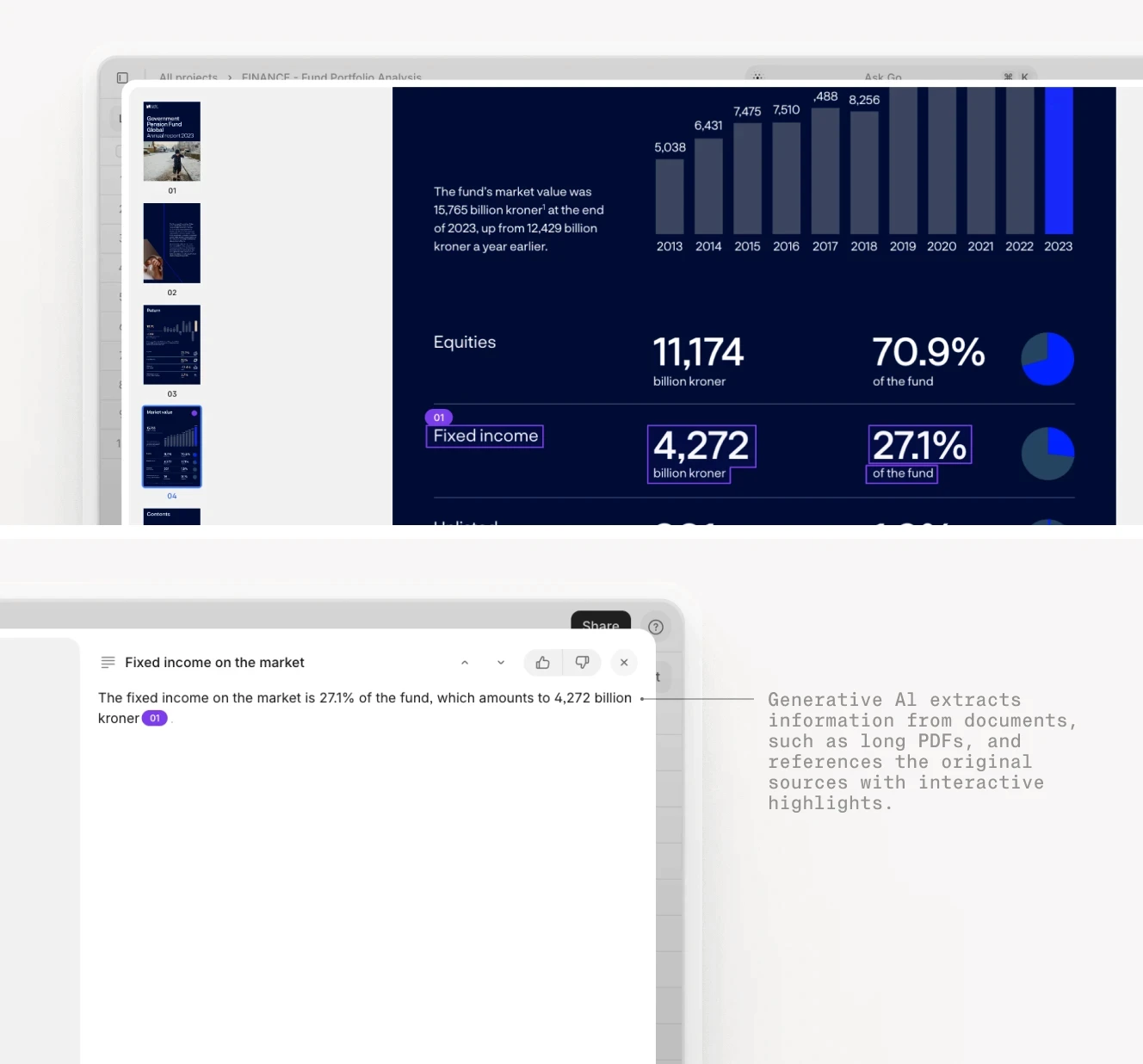
Categorising side letter obligations by LP type is the first step toward a manageable compliance system. When the data lives in unstructured PDF agreements, extraction is the bottleneck.











Compliance and legal challenges of side letter agreements
Side letters create legal obligations. That much is obvious. What is less obvious — and less frequently addressed in the literature — is how those obligations interact with each other, with the LPA, and with the GP's duties to investors collectively. The compliance challenges compound as the number of active side letters grows.
Enforceability and hierarchy with the LPA
A side letter's relationship to the LPA is not always clean. Courts have historically found that where a side letter provision conflicts with the LPA without an explicit supersession clause, the LPA prevails. The LP receives no benefit from the side letter term they negotiated. This creates an obligation for GP counsel to ensure that supersession language is precise: specifying exactly which LPA provisions the side letter modifies and in what respect.
Ambiguity cuts both ways. An LP may argue that a side letter provision implicitly modifies an LPA restriction that the GP considers unaffected. A GP may argue that a side letter obligation terminated with the investment period when the LP expected it to run through the full fund term. These disputes surface years after the side letter was signed, when the parties' original intentions are neither documented nor easily reconstructed.
The better-managed funds treat side letters as a living document set, not a closing deliverable. Each side letter should be indexed against the specific LPA provisions it modifies, with notes on the supersession scope. This is not standard practice. It should be.
MFN cascade risk and obligation proliferation
Here is the compliance risk that GPs most consistently underestimate.
An MFN clause was designed to protect the LP holding it: if the GP grants better terms to a later LP, the MFN-holding LP gets the same. The intent is fair treatment. The effect, in practice, is that every new side letter negotiation requires the GP to assess whether any of the new provisions would trigger MFN notification obligations for existing LPs. In a fund with 12 MFN holders, each with slightly different scope language, that assessment is not trivial.
Wrong. The MFN protects LPs in theory. In practice, it creates a cascading obligation machine for the GP.
When a GP grants a new LP a favorable management fee rate, the MFN holders whose scope covers economic terms must be notified. When those holders elect to receive the new rate, the fund's total management fee revenue drops. This may not have been modelled in the fund's economics at the time the original MFN was negotiated. When the GP later grants another new LP an enhanced ESG reporting package, a different subset of MFN holders (those whose scope covers operational terms) must now be notified of an election right they may not have anticipated exercising.
Each MFN election expands the compliance obligation set. A fund that opens with 15 side letters may be running 200 distinct tracked obligations by the time the final close is complete.
Confidentiality vs. transparency obligations
Side letters are confidential instruments. The LP who negotiated a particular co-investment right or a management fee discount did not do so with the expectation that the terms would be shared with other investors. Most side letters include explicit confidentiality provisions requiring the GP not to disclose the existence or terms of the side letter to other LPs without consent.
In practice, several LP categories are subject to transparency obligations that conflict directly with this confidentiality. Public pension funds in US states with public records statutes may be legally required to disclose their investment agreements, including side letters, in response to FOIA or sunshine law requests. A public records request submitted to the Oregon Public Employees Retirement System or the California State Teachers' Retirement System can result in the full text of their side letter becoming a matter of public record, regardless of what the GP's confidentiality clause says.
GPs who invest with public pension fund LPs need to account for this at negotiation: certain provisions that would otherwise be commercially sensitive cannot be included in a side letter with a public pension LP, because they will not remain confidential. The alternative is a separate letter agreement, or accepting that certain terms become publicly available.
What happens when side letter obligations are breached?
Every article on side letters discusses what clauses they contain. None of them address what happens when the GP fails to meet those obligations.
Side letter breaches fall into three categories. First, complete failure: the GP fails entirely to perform a required obligation: misses an MFN notification, fails to offer a co-investment opportunity within the required window, does not deliver required reports by the contracted deadline. Second, partial performance: the GP delivers reporting that does not meet the contractual standard (wrong format, missing data fields, delivered late) or notifies an MFN holder but fails to document the election correctly. Third, systematic drift: the GP adheres to obligations at fund inception but as staff turn over and the compliance calendar becomes informal, obligations go untracked and eventually unmet.
The legal consequences of breach are governed by the side letter itself and general contract law. Civil liability is the primary risk: the LP may claim damages equal to the economic benefit they would have received under the missed obligation. For a large LP who should have been offered co-investment in a deal that returned 4x, the damages calculation can be substantial.
Reputational consequences are harder to quantify but often larger in practice. Institutional LPs talk to each other. A GP that misses an MFN notification or fails to make good on a promised co-investment right will find that information in the DDQ responses of every LP they approach in the next fundraise. ILPA member institutions share adverse GP experiences through their governance processes. The fund management business runs on trust, and side letter compliance is one of the places that trust is most visibly tested. The Alternative Investment Management Association (AIMA) guidance on investor relations and side letter best practices reflects how central this issue has become for institutional fund managers.
Regulatory exposure is more limited in most jurisdictions but not zero. If enhanced reporting rights granted to an LP were related to the LP's own regulatory requirements (ERISA compliance documentation, for instance, or ESG reporting mandated by the investor's home jurisdiction) failure to deliver may create secondary compliance failures for the LP, which in turn creates liability exposure for the GP who caused the gap.
Operational challenges in tracking side letter obligations
The legal analysis is the easier part. The operational reality of managing a side letter portfolio at scale is what breaks compliance programs.
A typical institutional fund closes over 12 to 18 months, adding LPs and their accompanying side letters throughout the process. By final close, the fund administrator inherits a document set comprising 20 to 35 side letters, each negotiated separately, each using different clause language to describe similar rights, and none of them indexed against each other or against the LPA in a structured format. The standard delivery format is a PDF folder. The standard tracking system is a spreadsheet.
Three operational failure modes appear consistently across fund administrations of this type.
The first is obligation extraction failure: the manual process of reading each side letter and recording its obligations into a tracking system is slow, error-prone, and heavily dependent on the individual's familiarity with side letter clause conventions. A junior associate who does not recognise that a "best-efforts co-investment right" carries different notification obligations than a "right of first offer" will encode the wrong trigger condition. That error stays in the system until an LP complains.
The second is trigger management failure: even when obligations are correctly extracted, the compliance calendar depends on external events (fund closes, deal announcements, distribution events) to trigger notifications and elections. If those events are not systematically linked to the obligation register, windows expire silently. Nobody fails to send the notification because they decided to skip it. They fail because nobody was tracking the trigger.
The third is version control failure: side letters are amended. MFN elections result in new provisions. LPs transfer their interests, which may or may not carry side letter rights. The compliance register reflects the original closing documents, not the current state. By year three of a fund, the spreadsheet and the legal reality have diverged in ways that are difficult to reconstruct without a full legal review of every amendment.
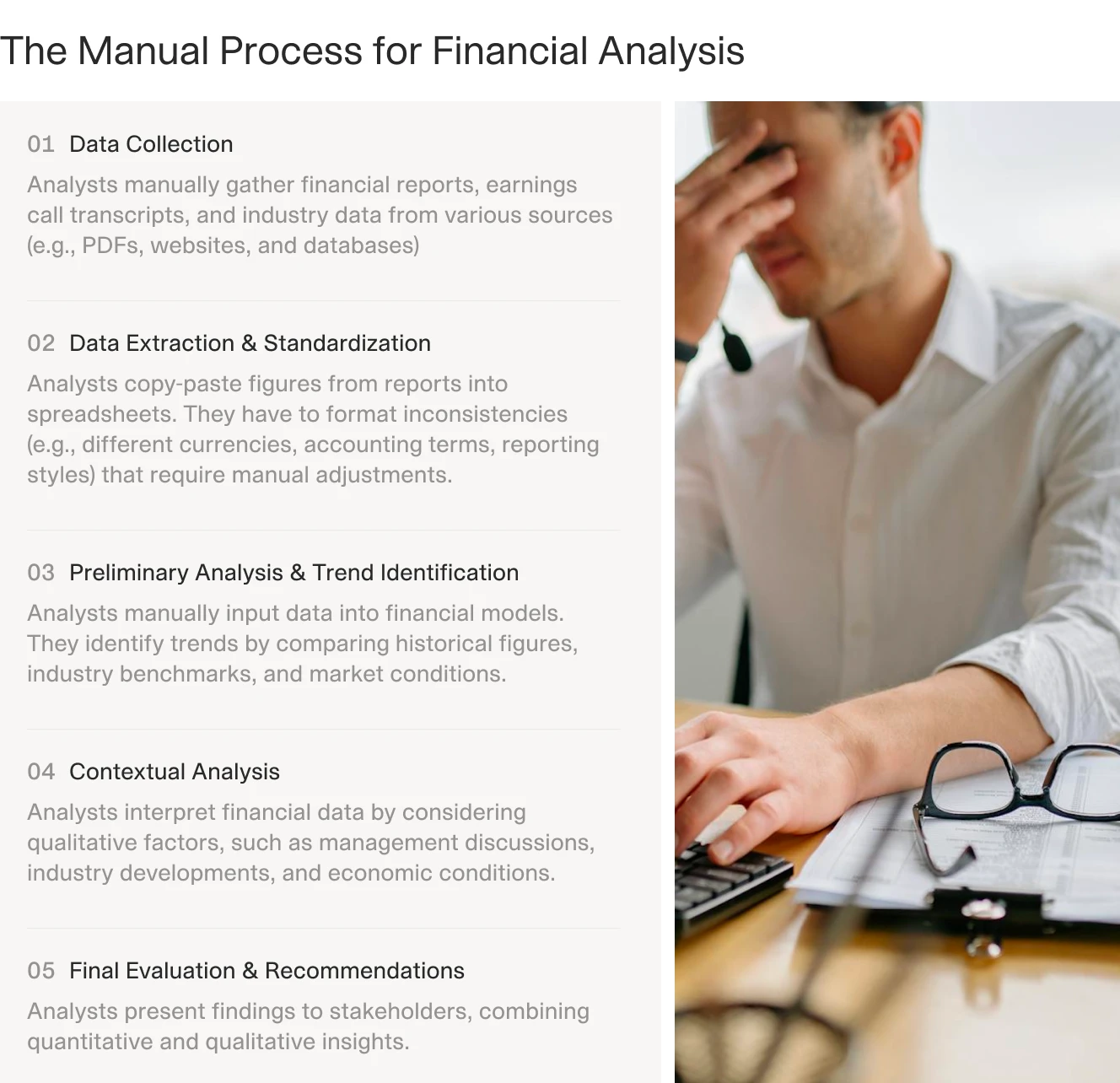
Manual side letter compliance tracking relies on sequential human handoffs at every stage: obligation extraction, trigger monitoring, notification, election recording, and version control. Each handoff is a point of potential failure.
A complete side letter obligation tracking system requires four components. First, a structured obligation register that lists every obligation in the fund's side letter portfolio by LP, clause type, trigger condition, notification window, election deadline, and current status. Second, a trigger calendar linked to fund events (close dates, capital call notices, distribution announcements, portfolio company deal closings) that automatically surfaces which obligations are activated by each event. Third, a version control protocol that logs every amendment, election, and LP transfer and updates the obligation register to reflect current legal state. Fourth, an audit trail that documents every notification sent, every election received, and every compliance action taken, in a format defensible in legal proceedings.
The operational challenge for fund administrators is assembling this infrastructure from scratch at every fund close, reading 20 to 35 unstructured PDF source documents and producing a structured compliance register that reflects the full obligation set accurately.
How AI is changing side letter review and compliance management
The bottleneck in side letter compliance is not analysis. GPs and fund administrators know what MFN clauses require. The bottleneck is extraction: getting the right information out of 30 unstructured PDFs, in a consistent structured format, fast enough to be operationally useful.
This is where AI document processing has a concrete and measurable advantage over manual review.
AI extraction agents can read a portfolio of side letters and, for each document, identify and classify clause types (MFN, co-investment, excuse right, reporting right), extract the operative provisions with their associated conditions and windows, flag clauses where the scope language departs from the fund's standard template, and output the results in a structured format suitable for direct import into the compliance register. A review that takes a two-person legal team four to six days to complete manually can be reduced to a processing run measured in minutes, with human review focused on the flagged edge cases rather than the full document set.
Speed is the visible benefit. Consistency is the more important one. Manual extraction varies by reviewer: one associate reads "best efforts" as a weaker obligation than another, and the resulting compliance register reflects personal interpretation rather than document text. AI extraction applies the same classification logic to every document, making the inconsistencies in the source documents visible rather than absorbing them into idiosyncratic human judgment.
MFN tracking is the use case where the value is highest. When the GP closes on a new LP with side letter terms that might trigger MFN notifications, an AI agent can be run against the full existing side letter portfolio to identify which MFN holders have scope language that covers the new provisions. This runs within minutes of the new side letter being signed. The alternative is a manual review by fund counsel, typically completed over several days, with no guarantee that the review is exhaustive across every MFN clause variant in the portfolio.
The value compounds across fund vintages. When the same institutional LP appears in multiple funds managed by the same GP, each with different MFN scope definitions, the compliance question extends beyond any single fund's document set. V7 Go's Context Graphs maintain relationship maps between LPs, funds, provisions, and amendments across a manager's full portfolio, making it possible to surface which MFN holders across all active vintages would be affected by a new term. That cross-fund reasoning is not available from a per-fund spreadsheet.
Document comparison is a second high-value application. When a new LP's proposed side letter arrives from their counsel, an AI comparison agent can run it against the fund's standard form side letter, flag every deviation, and categorise each deviation by materiality (economic vs. operational vs. administrative) before human counsel begins their review. For an AI due diligence workflow that integrates side letter review into a broader fund close process, this pre-screening step reduces counsel time on routine review and concentrates human attention on genuinely novel or high-risk provisions.
A distinction worth noting for teams evaluating AI tools for this workflow: general document question-answering tools return text answers to text questions. That format is useful for ad-hoc research but it does not produce a compliance register. V7 Go extracts obligations into structured fields that feed directly into the obligation tracking system, without a manual reformatting step in between. The extraction output is the compliance asset, not a research note that still needs to be processed.
V7 Go's AI LPA analysis agent is built for exactly this type of structured extraction from fund legal documents. The agent reads LPAs and associated side letters, extracts defined provision types into structured fields, and outputs a tabular summary that serves as the starting point for the compliance register. It eliminates the manual reading step that is currently the constraint in every fund administrator's side letter onboarding process. For fund managers handling multiple fund vintages simultaneously, or fund administrators running side letter reviews across a client portfolio, the scale advantage compounds quickly. The platform is SOC 2 Type II certified and maintains field-level audit trails on every extraction run, documenting which source clause produced which structured output. For fund administrators whose compliance documentation needs to be defensible in a regulatory examination or LP dispute, that audit record is part of the output, not an afterthought.
A practitioner's assessment: AI handles extraction and classification reliably. It does not handle legal adjudication. The question of whether a new provision falls within the scope of a particular LP's MFN clause still requires legal judgment, particularly where the scope language is ambiguous or where the new provision is novel. AI makes that judgment faster by presenting the relevant comparison in structured form; it does not replace the judgment itself.
For fund legal teams and compliance officers evaluating AI tools for contract review, the side letter use case is one of the more direct applications: high document volume, structured clause types, repeating trigger conditions. The ROI on time saved is calculable; the risk of missed obligations is concrete; and the output of an AI extraction run is directly usable as a compliance asset without extensive downstream reformatting.
For fund administrators without dedicated technology teams, configuring the extraction workflow does not require an internal IT build. V7 Go's Co-Build track pairs fund operations professionals with V7 specialists to design and deploy the extraction and tracking agent for their specific document set and obligation register requirements. The same obligation-monitoring infrastructure is used by private credit fund administrators for loan covenant tracking, where the structural challenge is identical: dozens of credit agreements, each with different covenant definitions and monitoring frequencies, tracked across a portfolio of borrowers. The side letter compliance workflow is a direct parallel.
The operational question is not whether AI can help with side letter review. It can. The question is whether fund managers and administrators build the AI-assisted workflow before the first missed MFN notification, or after.
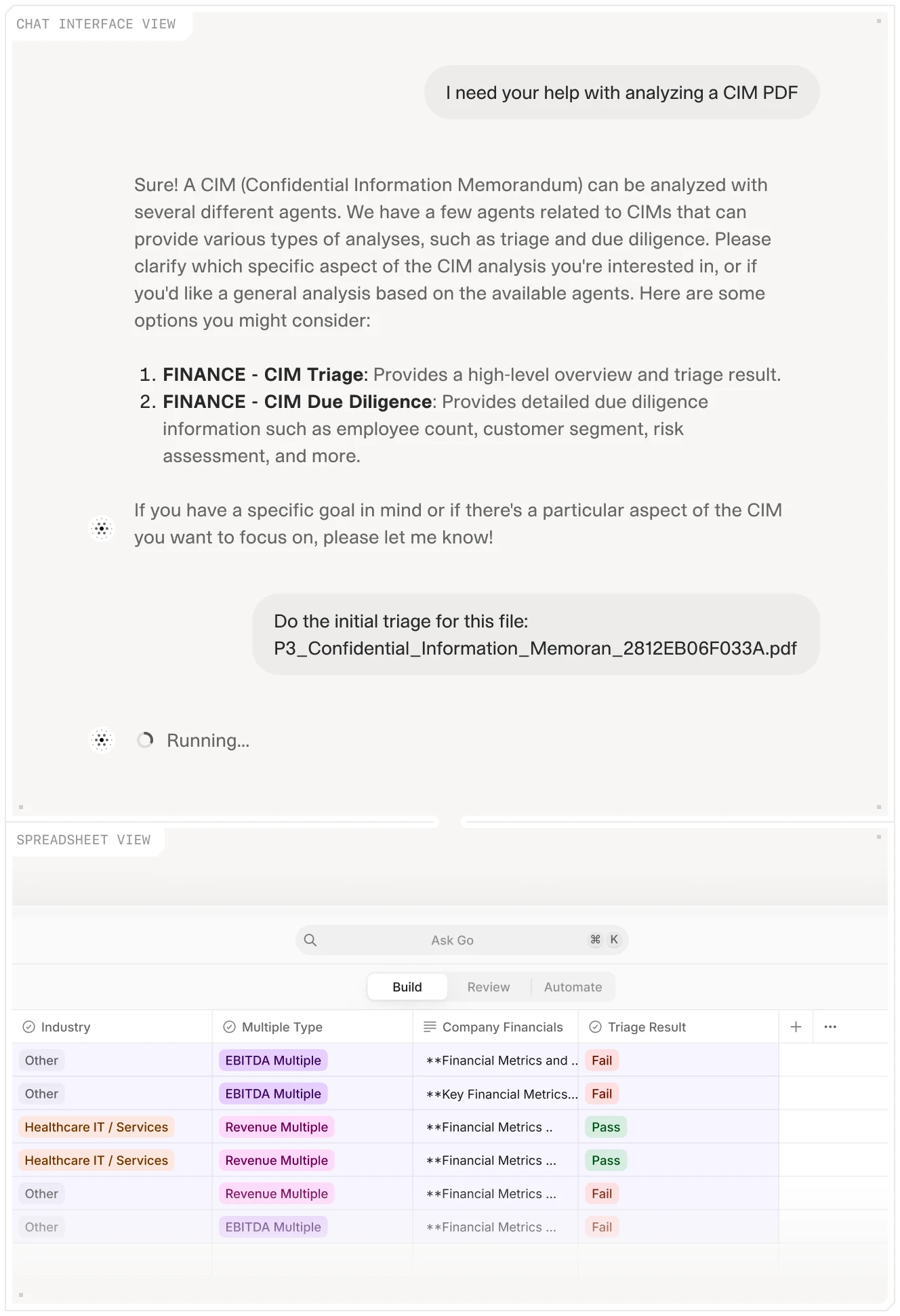
V7 Go extracting and structuring side letter obligations across a fund portfolio, turning unstructured PDF agreements into a compliance register that tracks by LP, clause type, and trigger status.
To see how AI is being applied across private equity and venture capital operations more broadly, from due diligence to portfolio monitoring, the use cases extend well beyond side letter review. But for compliance teams whose immediate problem is side letter obligation tracking, this is the most direct path to reducing manual work and obligation risk simultaneously.
What is a side letter in private equity?
A side letter in private equity is a bilateral contract between a fund's general partner (GP) and a specific limited partner (LP) that modifies or supplements the terms of the fund's limited partnership agreement (LPA) for that investor only. Side letters grant bespoke rights, such as management fee discounts, co-investment opportunities, or enhanced reporting access, without amending the main fund document for all participants. They are legally binding, typically confidential from other LPs, and subordinate to the LPA unless they explicitly supersede named provisions. Side letters are standard practice in institutional private equity, initiated almost always by the LP rather than the GP. The requesting investor's institutional type determines what they typically ask for: pension funds focus on ERISA and FOIA protections; sovereign wealth funds on regulatory excuse rights; family offices on co-investment access. A fund with 20 institutional LPs may carry 15 or more active side letters, collectively representing hundreds of individual tracked obligations.
+
What is the MFN clause in a side letter and how does the election process work?
The most favoured nation (MFN) clause gives an LP the right to elect any more favorable terms that the GP grants to other LPs in the same fund, provided those terms fall within the MFN's defined scope. Scope is the critical variable: a broad MFN covers all side letter provisions, while a narrow MFN covers only economic terms such as fee rates and carried interest. The MFN does not automatically confer better terms. It triggers a four-step process: first, the GP signs a side letter with a new LP containing in-scope terms, triggering the notification obligation; second, the GP notifies each MFN-holding LP within the contractual window, typically 30 to 60 days; third, the notified LP reviews the offered terms and elects within a prescribed window, commonly 30 days; fourth, if the LP elects, those terms are formally incorporated into their side letter by amendment. Failure to administer this process correctly is one of the most common side letter compliance failures in private equity fund management.
+
Are private equity side letters legally binding?
Yes, side letters are legally binding contracts between the GP and the specific LP who signed them. Like any commercial contract, they are enforceable through general contract law in the applicable jurisdiction, subject to the governing law clause agreed at signing. The key hierarchy question is how a side letter interacts with the LPA when the two documents conflict. Courts have generally held that where a side letter provision conflicts with the LPA without an explicit supersession clause, the LPA prevails and the LP receives no benefit from the side letter term they negotiated. This makes supersession language critically important: it should specify exactly which LPA provisions the side letter modifies and in what respect. When a side letter is silent on a matter, the LPA governs. Both the enforceability of the side letter itself and the scope of any supersession clause may be contested in litigation if the original terms were ambiguous or inadequately specified at signing.
+
What are the consequences if a GP breaches a side letter?
Side letter breaches fall into three categories: complete failure, such as missing an MFN notification or failing to offer a required co-investment within the contracted window; partial performance, such as delivering reporting that does not meet the contractual standard; and systematic drift, where obligations go untracked as staff turn over and the compliance calendar becomes informal. The legal consequences are governed by the side letter and general contract law. Civil liability is the primary risk: the LP may claim damages equal to the economic benefit they would have received under the missed obligation. For a large LP who should have been offered co-investment in a deal that returned a multiple of 4x, the damages exposure can be substantial. Reputational consequences are often larger in practice: institutional LPs share adverse GP experiences through industry governance bodies, and a reputation for side letter compliance failures follows a manager into the next fundraise.
+
How do fund administrators track side letter obligations?
AI document processing addresses the core bottleneck in side letter compliance: extraction. Getting the right information out of 30 unstructured PDF side letters, in a consistent structured format, is slow and error-prone when done manually. AI extraction agents can read a portfolio of side letters, classify clause types (MFN, co-investment, excuse right, reporting right), extract operative provisions with their trigger conditions and notification windows, and output results in a structured format suitable for direct import into the compliance register. A review that takes a two-person legal team four to six days to complete manually can be reduced to a processing run measured in minutes. The consistency advantage is as important as speed: AI applies the same classification logic to every document, surfacing inconsistencies in the source documents rather than absorbing them into reviewer judgment. V7 Go's AI LPA analysis agent handles exactly this workflow, turning unstructured fund legal documents into structured compliance data that fund administrators can use immediately.
+
How can AI help with side letter review and compliance tracking?
Go is more accurate and robust than calling a model provider directly. By breaking down complex tasks into reasoning steps with Index Knowledge, Go enables LLMs to query your data more accurately than an out of the box API call. Combining this with conditional logic, which can route high sensitivity data to a human review, Go builds robustness into your AI powered workflows.
