16 min read
—



V7 Go
A smarter way to manage due diligence and underwriting
The private equity secondary market closed 2024 with USD 162 billion in transaction volume, according to Evercore's Full Year 2024 Secondary Market Survey, a record that exceeded the prior peak by nearly USD 30 billion. Continuation vehicles accounted for close to 90% of GP-led deal flow. LP-led portfolio sales hit USD 87 billion alone. By any measure of market maturity, the secondary market has arrived.
The document infrastructure has not.
Every secondary transaction depends on a set of documents that were not designed for secondary transactions: fund financial statements that report quarterly, limited partnership agreements that assume buy-and-hold investors, capital account statements formatted to the preference of each fund's administrator, and side letters that may or may not transfer with the underlying interest. A buyer pricing a USD 50 million LP stake at 89% of NAV is pricing at 89% of a number calculated by the party selling the asset, under accounting standards with meaningful discretion, on a date that may be three months in the past.
This is not a new problem. But it has become a bigger one as volume has scaled. At USD 50 billion in annual volume, document friction could be absorbed by large teams, long timelines, and deep bilateral relationships. At USD 162 billion, with continuation vehicles closing in compressed windows and secondary buyers simultaneously underwriting dozens of positions, the same document problems create material delays, pricing uncertainty, and allocation decisions made on incomplete information.
Why NAV-based secondary pricing creates a structural information problem for buyers
The LPA friction points that slow every LP-led secondary transaction
Why continuation fund documents create structural conflicts that good process cannot fully resolve
What ILPA standardization has achieved and what it has not addressed
How AI document analysis is changing secondary market workflows for buyers and sellers
The NAV problem: pricing a secondary transaction on data you did not create
Every LP-led secondary transaction begins with a question that cannot be answered precisely: what is this fund worth today? The LP has capital account statements showing NAV at the last reporting date, typically the end of the prior quarter. The fund's audited financial statements may be six to twelve months old. The buyer has access to the same documents as the seller, plus whatever additional information the GP chooses to provide when asked.
The buyer and seller agree on a valuation date at the beginning of the transaction. Everything subsequent is priced as a percentage of the NAV reported on that date. In 2024, LP portfolio pricing averaged 89% of NAV for diversified buyout portfolios, per the Jefferies 2025 Global Secondary Market Review,, recovering from 84 cents on the dollar in 2023 and a cycle low where discounts briefly approached 60% at the peak of 2022 volatility. For high-quality buyout-focused portfolios, pricing improved further, with average buyout portfolio transactions closing at 94% of NAV.
Those percentages describe the price. They do not describe the quality of the underlying data. The NAV that secondary buyers price against is calculated by the GP, under ASC 820 fair value standards that provide significant latitude for judgment on illiquid assets. Methodologies vary: some GPs mark conservatively relative to public comparables; others mark to the last financing round for growth assets; others use discounted cash flow models with assumptions that a secondary buyer cannot independently verify. A 94% price on a generously marked NAV and a 94% price on a conservatively marked NAV are materially different transactions.
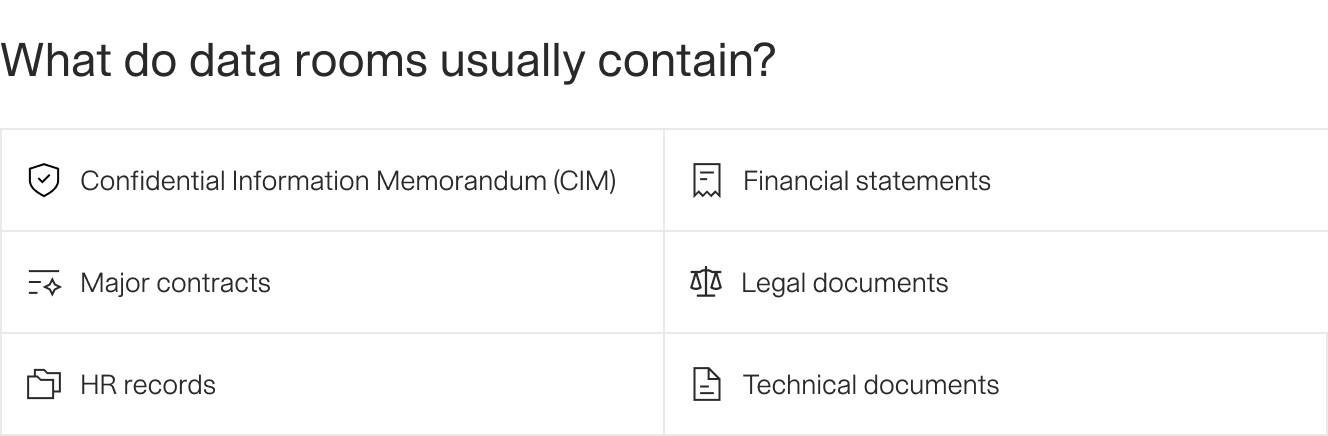
A secondary market data room typically contains the same document categories as an M&A transaction: financial statements, legal documents, fund agreements. There is, however, no standardized format and often assembled under compressed timelines.
The lag problem compounds the mark problem
Even if NAV methodology were fully standardized, reporting lag would remain. Fund administrators typically publish quarterly NAV within 45 to 90 days after quarter-end. A secondary transaction that prices off a March 31 NAV may not close until late August, leaving four to five months in which the underlying portfolio companies have continued to operate with earnings developments, financing events, and macroeconomic changes the buyer cannot directly observe. The pricing adjustments that cover this lag are estimated, not known.
Advisers and buyers have developed partial solutions: NAV adjustment mechanisms that update pricing when the fund's next quarterly report becomes available before closing; deferred consideration structures that allow final pricing to be set closer to close; and portfolio company-level monitoring for the largest underlying positions. These mechanisms work. They also add complexity, documentation, and negotiation time to every transaction.
The more fundamental problem is that fund reporting was designed for primary investors who have a ten-year relationship with the fund and receive periodic updates as part of ongoing portfolio management. Secondary buyers are acquiring a position at a single point in time. They need current information at the moment of purchase, not the most recent quarterly summary. The gap between what the document set contains and what the buyer needs to underwrite is built into the structure of every secondary transaction.
The LPA problem: agreements built for investors who never leave
The limited partnership agreement is the governing document for a fund. It defines investment strategy, fee economics, GP and LP rights, reporting obligations, and the conditions under which LP interests can be transferred. Nearly every LPA gives the GP the right to approve or deny any transfer of a limited partnership interest. In practice, most GPs provide consent for transfers to creditworthy institutional buyers, particularly for secondary sales to established secondary funds. But the mechanics of that consent process vary by fund, by relationship, and by the circumstances of the specific transaction.
For a buyer acquiring a portfolio of stakes across ten different funds, this means ten separate GP consent processes, each running on a different timeline, with different information requirements, and occasionally with different outcomes. Some GPs consent immediately. Others take weeks. A small number use the consent process strategically to delay transactions or to extract side concessions. The LPA technically permits this, and the buyer has limited recourse to challenge it.
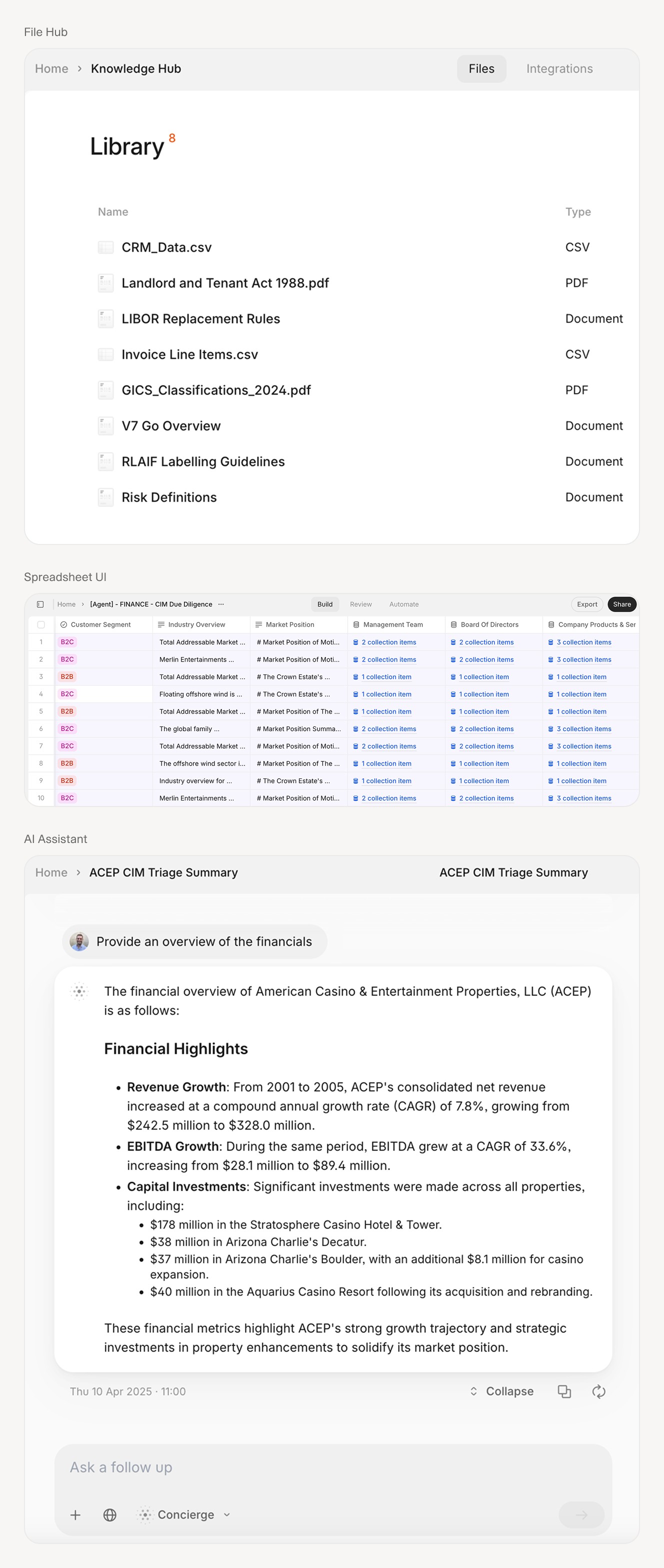
Secondary buyers processing LP stake portfolios must manage data rooms containing fund documents from dozens of different GPs simultaneously, each with different reporting formats and transfer consent requirements.
Side letters: rights that may or may not follow the interest
Side letters are bilateral agreements between a fund and a specific LP that modify or supplement the LPA terms for that investor. They may grant most-favored-nation rights, reduced management fees, enhanced reporting, specific information rights, or co-investment priority. Many LPs with large commitments negotiate side letters as a standard condition of investment.
When an LP sells its fund interest in a secondary transaction, the rights in the side letter may or may not transfer to the buyer. Some side letters contain explicit transferability provisions. Others are silent, leaving the question to interpretation of general contract law and the GP's willingness to honor rights for a new owner. The buyer who purchases a stake partly because of the reporting rights or co-investment access in the seller's side letter and discovers post-close that those rights did not transfer has made a more limited purchase than they intended.
Secondary buyers who conduct thorough diligence review every side letter associated with a stake before submitting a bid. In a portfolio of ten fund interests, that review can involve thirty to fifty individual documents, each requiring careful assessment of transferability language, GP discretion provisions, and any conditions attached to specific rights. Manual review of this document set at the pace required for competitive secondary processes is a meaningful operational constraint.
Capital account statements: the data that differs by fund administrator
The capital account statement is the document that shows an LP's economic position in a fund: paid-in capital, distributions received, current NAV, and the calculations that connect them. It is the foundational financial document for any secondary buyer evaluating what they are purchasing.
No standard format exists across the industry. Each fund administrator produces capital account statements in a format that reflects their own system requirements and the GP's preferences. Some present data by investment; others aggregate at the fund level. Some include subscription credit facility effects in their IRR calculations; others exclude them. Some use consistent field names and definitions across vintages; others rename or restructure as systems have been updated over the years.
A secondary buyer comparing capital account statements from ten different funds is comparing ten documents that measure the same things in ten different ways. Extracting comparable figures (paid-in capital, DPI, residual value, net IRR with and without credit lines) requires either deep familiarity with each GP's reporting conventions or a systematic extraction process that normalizes across formats. ILPA's reporting templates were designed to address this problem, and they have made meaningful progress. Adoption is incomplete.











The continuation fund problem: documents and conflicts
GP-led secondaries, and continuation vehicles in particular, have changed the secondary market more than any other structural development of the past decade. Continuation funds allow a GP to transfer one or more portfolio companies from a maturing fund into a new vehicle, giving existing LPs the option to roll their interest forward or receive liquidity at the transaction price. They accounted for 79% of GP-led volume in 2024, with single-asset continuation funds representing the largest subset.
The fundamental document problem with continuation funds is the same as the fundamental governance problem: the GP is on both sides of the transaction. The GP decides which assets to include in the continuation fund and at what valuation. The GP sets the process timeline. The GP manages the LPAC approval process. The GP has access to information about the portfolio companies that the existing LPs, faced with a binary roll-or-exit decision, typically do not have in the same form or depth.
In August 2023, the SEC finalized rules that would have required fairness opinions from independent third parties as a condition of continuation fund transactions, along with enhanced disclosure of conflicts. In November 2024, the Fifth Circuit Court of Appeals vacated significant portions of those rules. The mandatory fairness opinion requirement no longer applies. The CFA Institute, in a detailed paper on continuation fund ethics, has noted that "these transactions are conflicted by nature," and that the current governance mechanisms, including LPAC review and voluntary process disclosures, provide limited independent verification of whether existing LPs received fair value at the transaction price.
The LPAC members who review continuation fund transactions face their own constraints. An LP that is simultaneously an existing LPAC member in the selling fund and a potential investor in the continuation vehicle sits on both sides of the same governance question. Large LPs who depend on the GP for future co-investment opportunities may be reluctant to push back on valuations or process timelines aggressively. The document protections that most LPs rely on in continuation fund transactions are the same general partner agreement provisions that apply to all fund transactions, not protections designed specifically for the conflict structure that continuation funds create.
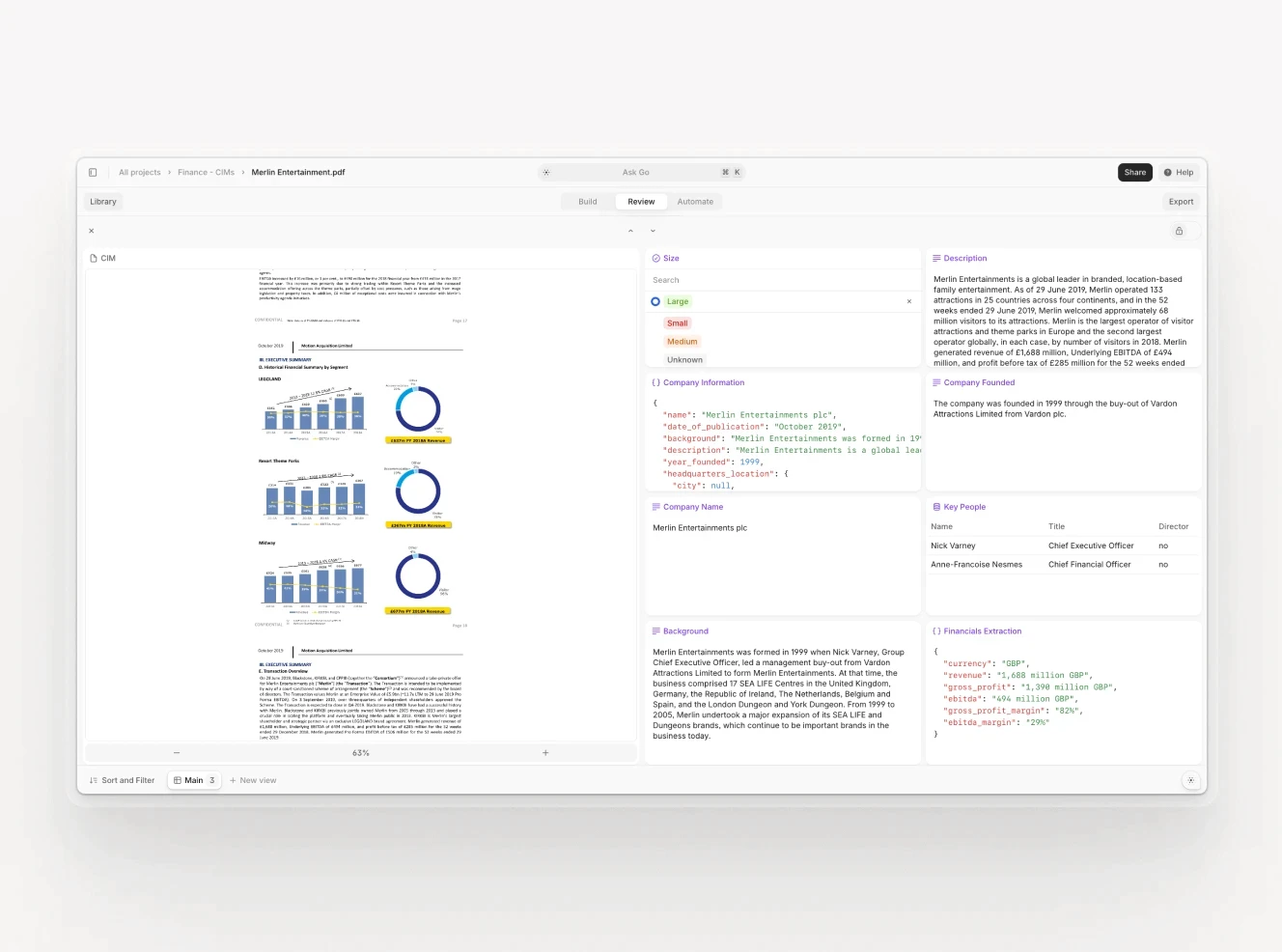
AI document tools applied to continuation fund materials extract valuation methodologies, GP commitment terms, and LPAC approval records from unstructured fund documents, giving buyers a structured foundation for evaluating transaction fairness.
What ILPA standardization has built, and what it has not reached
ILPA has produced three document standards with direct relevance to secondary market transactions: the Quarterly Reporting Standards, the Capital Call and Distribution Notice Template, and the Reporting Template for fee and expense disclosure. The updated Reporting Template, applicable to funds commencing operations on or after January 1, 2026, removes the prior two-tiered disclosure structure and requires uniform detail across all funds, with carried interest reconciliation built directly into the capital account statement format.
These standards have improved transparency for primary investors and, where adopted, have simplified secondary market document review. A fund whose capital account statements follow the ILPA template is materially easier to underwrite than one using a proprietary format. The problem is the qualifier: where adopted. ILPA standards are voluntary. Adoption among newer or smaller GPs is uneven. And the existing universe of fund interests being traded in secondary markets includes fund vintages from ten to fifteen years ago, for which ILPA-compliant reporting was not part of the original fund agreement. The standardization gap is widest precisely for the older, less-liquid positions where secondary buyers have the least alternative information.
The ILPA DDQ 2.0, covered in the context of primary LP due diligence, has a secondary benefit: it captures fund-level information in a structured format that secondary buyers can use as a reference document. But DDQs are produced for fundraising purposes and may not be updated between fund cycles. A DDQ from a fund's 2019 fundraising may not reflect operational or team changes that occurred in 2023.
How AI document analysis is changing secondary market workflows
The growth of secondary market activity has not been limited to equity fund interests. Private credit secondaries, covering LP stakes in private credit and direct lending funds as well as individual loan positions, have grown significantly alongside the broader expansion of private credit markets. The document problems in credit secondaries are structurally similar to those in equity secondaries but with additional complexity introduced by the nature of the underlying assets.
A private credit fund's portfolio consists of individual loans and credit instruments, each with its own credit agreement, covenant package, amendment history, and payment schedule. When an LP sells its interest in a private credit fund through the secondary market, the buyer is acquiring an economic interest in that loan portfolio. Evaluating that portfolio requires reading across credit agreements that may have been amended multiple times since origination, covenant packages that vary by borrower, and payment records that indicate whether any positions are on non-accrual or in technical default.
Credit fund reporting is improving but not yet consistent. The ILPA reporting templates cover private credit funds but were designed primarily with equity fund structures in mind. Credit-specific metrics, including yield, spread to benchmark, weighted average loan-to-value, and covenant headroom, are not uniformly reported across fund administrators. A secondary buyer comparing two private credit fund interests must often derive those metrics from underlying portfolio company data rather than reading them directly from standardized reports.
The GP consent requirement applies in credit fund LPAs as it does in equity fund agreements. For credit fund transfers, the review process often includes confirmation that the transfer does not trigger any borrower consent requirements under the credit agreements themselves, adding a third layer of document review on top of the fund-level and LP-level analysis. AI document tools that can extract covenant packages, amendment history, and consent provisions from credit agreements at scale represent a particularly high-value application in this segment, where manual review of individual loan documentation at the pace required for competitive secondary processes is impractical without significant team resources.
The practical problem for secondary market participants is not a shortage of documents. It is a surplus of unstructured documents, produced by different parties, in different formats, on different timelines, and assembled under time pressure that does not accommodate thorough manual review for every position in a large portfolio sale.
AI document extraction changes the operational economics of this problem. An AI LPA analysis agent applied to a fund's limited partnership agreement extracts the transfer consent provisions, side letter transferability language, LPAC composition rights, key person definitions, and waterfall structure in a structured format, allowing a secondary buyer to compare these terms across all ten funds in a portfolio without reading ten agreements cover-to-cover in sequence. The human legal reviewer still makes the judgment about whether specific terms are acceptable. The AI compresses the time required to reach that judgment from days to hours per fund.
The same principle applies to capital account statement extraction. A due diligence agent trained on capital account statement structures can extract paid-in capital, distributed capital, residual NAV, and IRR figures from documents with different formats, normalizing the output into a comparable table across all positions. The output is a structured extraction from the source documents, not a black-box calculation,, with citations traceable back to the specific line in the original statement. Secondary buyers reviewing this output can verify the figures while bypassing the document-by-document extraction work.
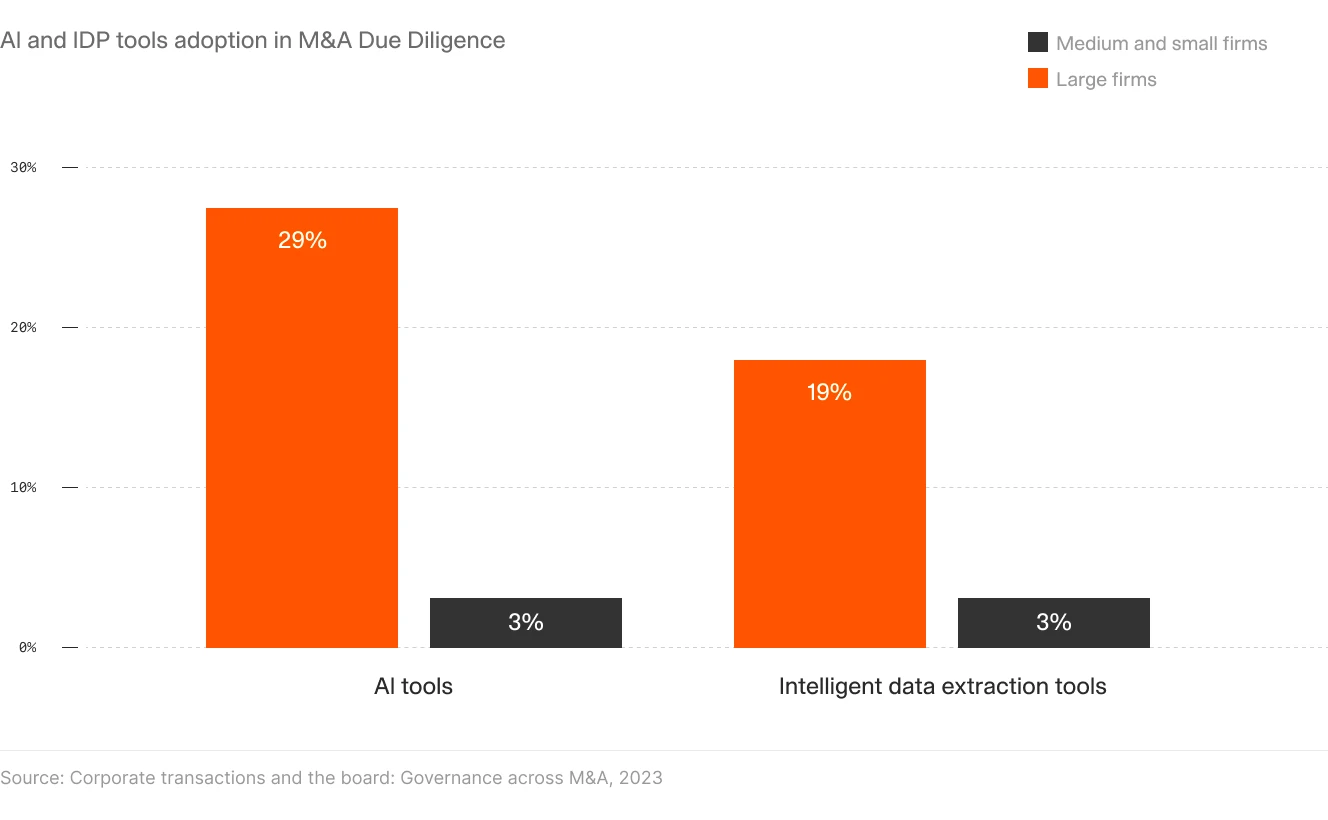
Adoption of AI document tools in due diligence workflows is growing fastest among larger secondary market participants, where portfolio volume makes the efficiency gains from automated extraction most material.
For sellers building a data room for an LP stake sale, AI tools support the same workflow in reverse. A well-constructed secondary data room, with fund documents categorized consistently, financial statements tagged by period, side letters indexed by provision type, and capital account statements extracted into a normalized summary, reduces buyer diligence friction, accelerates the timeline to binding bids, and signals organizational quality to sophisticated buyers. One documented case found that clean document categorization and pre-extracted financial data reduced secondary transaction due diligence time by nearly 40%, allowing faster buyer approvals and a compressed close timeline.
The application of AI to virtual data rooms in private market transactions is a natural extension of the same document intelligence problem that secondary buyers face with capital account statements and LPA review. The documents exist. The information is in them. The barrier is extraction speed and consistency, both of which AI document tools address directly.
What the secondary market would look like with better documents
The document problems in the secondary market are structural and persistent, but they are not intractable. A handful of well-resourced secondary funds already operate with proprietary document processing systems that normalize capital account data, flag LPA transfer restrictions automatically, and maintain rolling databases of fund-level information that reduce the research burden for repeat transactions with the same GP. The capacity that large players have built internally is what AI tools now make available to market participants at any scale.
Broader adoption would change the secondary market in observable ways. Pricing would become more efficient, because the information that determines pricing would be more consistently extracted and compared across comparable transactions. Deal timelines would compress, because GP consent processes and side letter reviews would no longer bottleneck at manual document review steps. Portfolio sale processes would benefit sellers as much as buyers, because a data room that supports fast, clean buyer diligence produces better prices and faster closes than one that requires buyers to build their own understanding from scratch.
For continuation fund transactions, better documents would not resolve the structural conflict problem, but they would make independent valuation assessment more tractable. If AI tools can extract and compare the valuation methodology applied to the same asset at different reporting dates, across both the selling fund's records and the continuation fund's pro forma documents, the LPAC review process gains a factual foundation that currently depends on the GP's own presentation of the relevant data.
The secondary market's growth from a niche liquidity solution to a USD 162 billion asset class required financial innovation, regulatory evolution, and years of capital formation. The document infrastructure that supports that market has not kept pace. Closing that gap does not require a new market structure. It requires tools that can read the documents that already exist and surface the information they contain in a form that supports decisions at market speed.
Learn more about how AI in due diligence is changing document workflows across private markets, or see how LP fund due diligence relies on the same document extraction capabilities that secondary buyers need at scale.
The operational case for better secondary documents
The firms that have moved fastest on secondary market document automation are the ones with the highest deal volume. That is not a coincidence. When a secondary fund is processing twenty simultaneous LP stake purchases with an average of eight fund positions each, the cost of manual capital account extraction and LPA review per position becomes the binding constraint on how many deals the team can evaluate at once.
AI document tools change that constraint. An LPA analysis agent that extracts transfer consent provisions and side letter rights across a full portfolio of fund documents does not replace the lawyer who makes the final judgment about what those provisions mean. It eliminates the hours between receiving the document and having a structured summary of what is in it. For a secondary buyer operating on a two-week exclusivity window, that compression matters.
The same applies to the seller's side. An LP building a data room for a secondary sale of ten fund interests can use AI document tools to pre-process capital account statements into a standardized summary, extract the transferability provisions from each side letter, and organize fund financial statements by period and type before a single buyer has received access. The result is a data room that supports faster buyer diligence, more competitive bidding, and better information symmetry between buyer and seller. In a market where pricing often comes down to the quality of the information supporting the bid, that preparation has direct economic value.
The secondary market's document problem is solvable because the information is present. It exists in fund agreements, capital account statements, financial reports, and side letters that every LP already holds. The gap is between the information existing and the information being usable at scale. That is precisely the gap that AI document analysis was built to close.
How does the private equity secondary market work?
The private equity secondary market allows existing investors in private equity funds (limited partners) to sell their fund interests to other investors before the fund reaches its natural end. Secondary transactions fall into two main categories: LP-led transactions, where an existing LP sells its stake to a new buyer seeking secondary market exposure, and GP-led transactions, where the general partner orchestrates a process to provide liquidity to existing LPs, typically by moving portfolio assets into a continuation vehicle. The secondary market reached a record USD 162 billion in transaction volume in 2024, with LP-led deals at USD 87 billion and GP-led transactions, primarily continuation funds, at USD 75 billion. Secondary buyers price transactions at a percentage of the fund's most recent reported NAV. In 2024, average LP portfolio pricing recovered to approximately 89% of NAV, with high-quality buyout portfolios trading at around 94% of NAV.
+
What documents are involved in a secondary market transaction?
A secondary market transaction requires review of several categories of fund documents. The core legal document is the limited partnership agreement (LPA), which governs whether and how an LP interest can be transferred, including GP consent requirements and any rights of first offer or first refusal. Capital account statements show the LP's economic position in the fund: paid-in capital, distributions received, and current NAV. Audited financial statements provide independently verified fund-level financials, typically on an annual basis. Side letters capture bilateral agreements between the fund and the specific LP that may modify fee terms, reporting rights, or co-investment access, and must be reviewed for transferability to the new buyer. Quarterly investor reports provide the most recent available information about portfolio company performance. For GP-led transactions, additional documents include the continuation fund limited partnership agreement, information memoranda prepared by the GP, and any independent fairness opinion obtained in connection with the transaction.
+
Why is secondary market pricing based on NAV, and what are the limitations?
Secondary market transactions are priced as a percentage of the fund's reported net asset value (NAV) because NAV is the only standardized measure of fund value that both buyer and seller can reference. In practice, this creates several limitations. First, NAV is calculated by the GP using fair value accounting standards (ASC 820) that provide significant judgment latitude for illiquid assets. Two GPs with similar portfolios may apply different valuation methodologies, producing materially different NAV figures even if underlying performance is comparable. Second, NAV is reported quarterly with a publication lag of 45 to 90 days after quarter-end. A secondary transaction that prices off a March 31 NAV may not close until August, leaving several months of portfolio company operating performance unobserved by the buyer. Buyers and advisers use adjustment mechanisms including deferred consideration structures and NAV update provisions to manage this lag, but they cannot eliminate the fundamental information gap between when the data was produced and when the decision is being made.
+
What is a continuation fund and how does it create document risk?
A continuation fund is a GP-led secondary transaction in which a general partner transfers one or more portfolio companies from a maturing fund into a new vehicle. Existing LPs receive a binary choice: roll their interest into the continuation fund at the agreed transaction price or take liquidity at that price. Continuation funds accounted for approximately 79% of GP-led secondary volume in 2024, with single-asset continuation vehicles representing the largest single transaction type. The document risk in continuation funds stems from the inherent conflict of interest: the GP controls the selection of assets to include, the pricing methodology, and the information provided to LPs during the process. In August 2023, SEC rules mandated independent fairness opinions for these transactions; those requirements were vacated by the Fifth Circuit Court of Appeals in late 2024. Without a mandatory independent pricing review, the documents supporting LP decision-making in continuation fund transactions rely primarily on GP-prepared materials and voluntary LPAC oversight, both of which operate under constraints that limit their independence from GP influence.
+
What has ILPA done to standardize private equity fund reporting?
AI document analysis supports secondary market due diligence by extracting structured information from the unstructured document sets that every secondary transaction requires. For LPA review, AI agents can extract transfer consent provisions, key person definitions, LPAC composition rights, side letter transferability language, and waterfall structure from fund agreements, producing a structured comparison across a portfolio of fund interests without requiring manual review of each agreement in full. For capital account statement analysis, AI extraction tools normalize financial data across different reporting formats, producing comparable figures for paid-in capital, distributions, residual NAV, and IRR with and without subscription credit facility effects. For data room management, AI tools help sellers organize and pre-extract information from fund documents before buyer access begins, reducing diligence friction and supporting faster bid timelines. One documented transaction found that pre-processed document categorization reduced secondary due diligence time by nearly 40%. For buyers underwriting large LP stake portfolios with tight exclusivity windows, the ability to process dozens of fund documents in parallel rather than sequentially is a direct operational advantage.
+
How does AI document analysis support secondary market due diligence?
Go is more accurate and robust than calling a model provider directly. By breaking down complex tasks into reasoning steps with Index Knowledge, Go enables LLMs to query your data more accurately than an out of the box API call. Combining this with conditional logic, which can route high sensitivity data to a human review, Go builds robustness into your AI powered workflows.
+
Casimir is a seasoned tech journalist and content creator specializing in AI implementation and new technologies. His expertise lies in LLM orchestration, chatbots, generative AI applications, and computer vision.