15 min read
—



Casimir Rajnerowicz
Content Creator
V7 Go
A smarter way to manage due diligence and underwriting
ASC 805 is the US GAAP framework for accounting for business combinations. When an acquirer obtains control of a business, the acquisition method establishes how to recognize the acquired assets, assumed liabilities and resulting goodwill. For a private equity portfolio-company finance team, that means turning the transaction into a supported opening balance sheet.
The documents needed to do that rarely arrive as one accounting package. The executed purchase agreement sits with legal. Treasury has the funds flow. The target controller holds the closing trial balance. Valuation specialists request customer contracts and forecasts that the deal team already reviewed during diligence. Each file answers a different question, and their numbers can legitimately differ.
A signed agreement might describe an earnout using its maximum payout, while the accounting schedule needs its acquisition-date fair value. A diligence model might adjust earnings for a planned cost reduction, while the opening balance sheet needs evidence of obligations that actually existed when control transferred. Copying a deal model into the ledger skips those distinctions.
The practical task is to connect every material accounting conclusion to the right evidence, date and reviewer. Start that handoff during M&A due diligence, when the people who understand the contracts and forecasts are still available. A useful handoff preserves the questions behind the numbers, including assumptions that remain unresolved.
Before the first reporting close, agree what each specialist will deliver and who will approve it. A customer valuation, a tax schedule and a purchase-price reconciliation need a common acquisition date and transaction perimeter. Keeping those instructions together reduces avoidable differences between otherwise careful pieces of work.
This guide follows that process from scope assessment to the first reporting close. It uses the general acquisition-accounting model for an operating-company acquirer and a hypothetical transaction to explain the arithmetic. Your reporting team still needs to assess the entity's circumstances, applicable exceptions and accounting elections.
Establish the reporting entity, accounting acquirer and date before starting the allocation.
Reconcile consideration, identifiable net assets and goodwill without mixing transaction costs into the purchase price.
Track provisional amounts and use AI to prepare evidence for an accountable human review.
The output should let another member of the finance team follow a number from the opening balance sheet back to its source and understand why it was recorded that way.
What ASC 805 requires before you start the allocation
Confirm that the transaction belongs in the acquisition method before calculating goodwill. The legal form of a deal does not settle whether the acquired set meets the accounting definition of a business. A share purchase can contain an asset acquisition for accounting purposes; acquiring a business through an asset agreement can still require business-combination accounting.
The business assessment includes a screen: if substantially all the fair value of the acquired gross assets is concentrated in one identifiable asset or a group of similar assets, the set is not a business. Otherwise, assess whether the acquired inputs and a substantive process together contribute significantly to the ability to create outputs. Deloitte's business-combinations overview explains this assessment and the acquisition method.
Establish whose financial statements you are preparing. A PE fund applying investment-company accounting generally measures investments in operating businesses at fair value, subject to the relevant scope exceptions. That is a different reporting question from an operating portfolio company's acquisition of another business. The target's separate financial statements also require their own assessment, including any pushdown-accounting election.
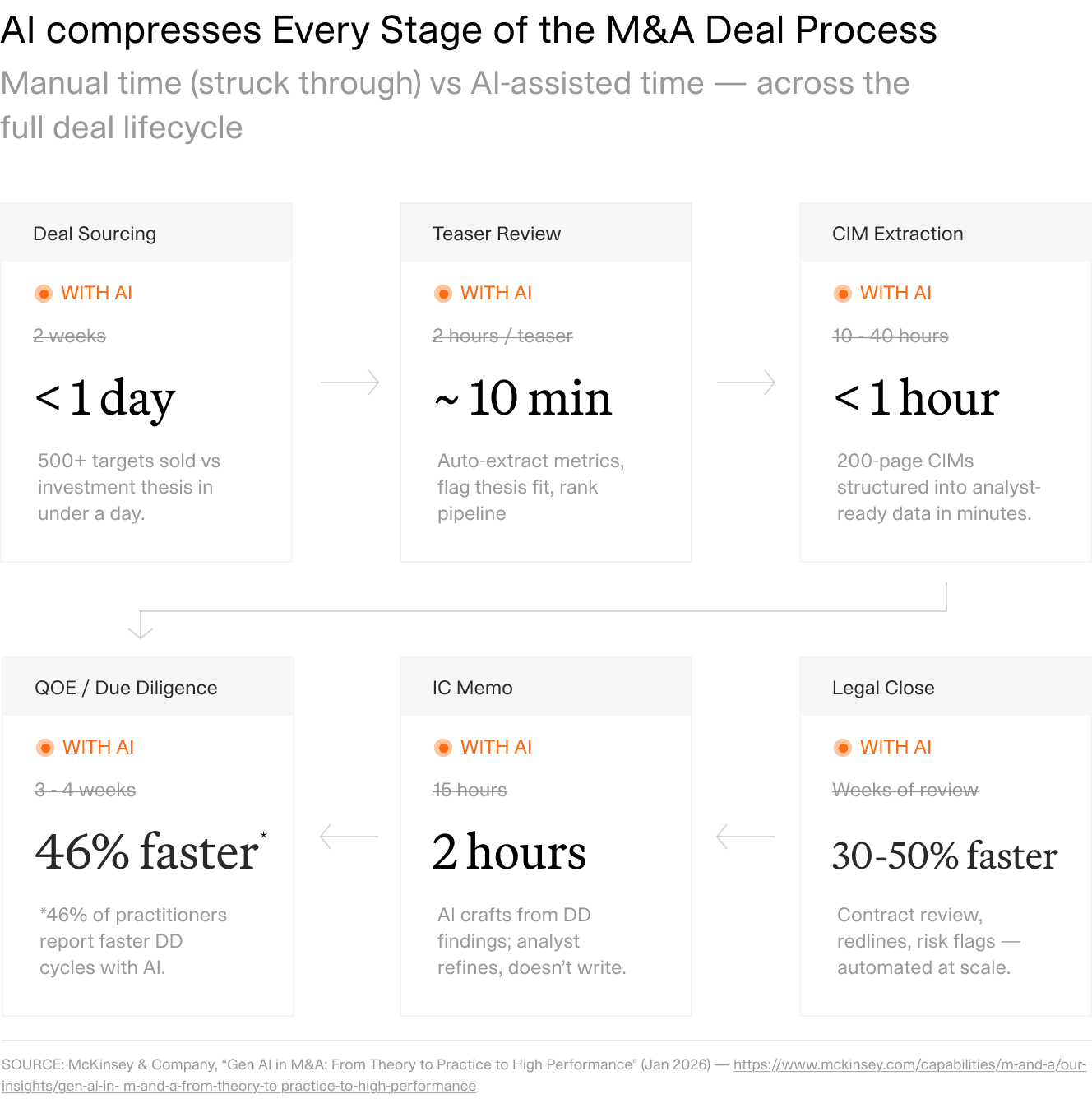
The transaction agreement supplies evidence about the acquired set and deal structure. The accounting scope conclusion requires a separate assessment.
Once the general acquisition method applies, organize the work around four decisions: identify the acquirer; establish the acquisition date; recognize and measure identifiable assets, liabilities and any noncontrolling interest; then determine goodwill or a bargain purchase gain.
For example, a platform buying a functioning service business should collect evidence about its workforce, customer activity and operating processes. A purchase of a property-holding entity needs its own business assessment. Using the same legal vehicle does not make those transactions equivalent for accounting.
Record the conclusion in a scope memo that identifies the reporting entity, transaction perimeter and supporting documents. Include the preparer, reviewer and unresolved points. This gives the valuation team a clear starting instruction and prevents different workstreams from valuing different acquisition perimeters.
Asset acquisitions and common-control transactions follow different guidance within ASC 805; they are not simply smaller versions of the acquisition method. Eligible private companies may also have accounting alternatives affecting goodwill and certain intangible assets. Identify those decisions early so the requested valuation work matches the reporting basis.
Establish the accounting acquirer and acquisition date
The control assessment determines the accounting acquirer and acquisition date. The name on the acquisition vehicle and the date on the agreement are starting evidence, not a complete conclusion. This matters in structures involving rollover equity, newly formed entities or combinations funded primarily through an exchange of shares.
Prepare a before-and-after organization chart with voting rights, ownership interests, board appointments and management arrangements. Reconcile it to the executed documents. If one team uses the pre-close capitalization table and another uses the final rollover schedule, resolve that difference before either document supports an accounting memo.
There is also a current rule change to check. ASU 2025-03 changes the acquirer assessment for certain business combinations involving a variable interest entity and effected primarily through an equity exchange. It applies for fiscal years beginning after December 15, 2026, including interim periods within those years, with early adoption permitted. Grant Thornton's updated acquirer guidance explains the change. Record the reporting entity's adoption status where relevant.
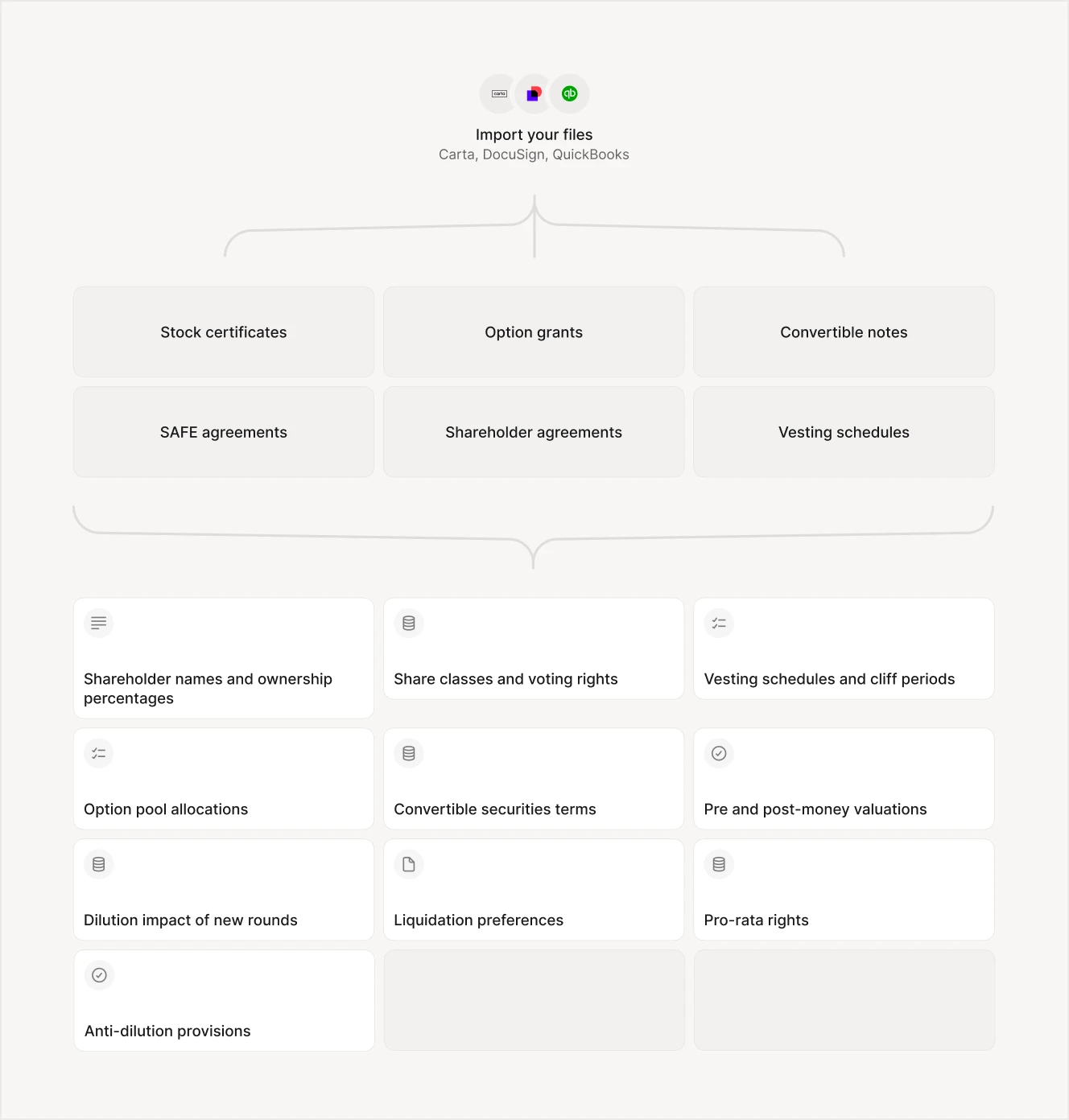
Executed agreements, closing confirmations and ownership records support the control-date review.
Consider a hypothetical agreement signed on June 10, with regulatory clearance on August 20 and control transferring at closing on August 28. The accounting analysis should support August 28 as the acquisition date. A June forecast can inform the valuation, but its assumptions must be assessed against conditions at that later date.
Ask each workstream to label its files consistently: document date, effective date, reporting period and acquisition date. Those labels answer different questions. A September valuation report can measure August 28 fair value, while a September sales report describes later operating results.
Complete a dated control memo and circulate the approved acquisition date to treasury, tax, valuation and consolidation teams. Use it to set the trial-balance cutoff and identify the period of acquired results included in consolidated reporting. Any alternative cutoff needs a documented accounting basis.
Reconcile consideration and separate transaction costs
Build a consideration schedule that explains what the acquirer transferred for the business. The funds-flow statement is an important input, but its total includes payments with different accounting purposes. Each material line needs a classification, measurement basis and supporting reference.
Collect the executed purchase agreement, final amendments, equity issuance documents, earnout terms, settlement statements and seller employment arrangements. Purchase agreement analysis can help surface the relevant clauses. Finance must then connect those clauses to the accounting treatment and approved measurement.
Payment or arrangement | Question for the accounting schedule | Evidence to retain |
|---|---|---|
Cash paid to sellers | Does this amount reconcile to the final consideration terms? | Agreement, adjustment schedule and payment confirmation |
Equity issued | What interests were transferred, and what measurement applies? | Capitalization table, issuance terms and valuation support |
Contingent consideration | What is its acquisition-date fair value and subsequent classification? | Earnout clauses, assumptions and valuation model |
Seller-manager payments | Does the arrangement compensate future employment or services? | Employment terms, forfeiture conditions and compensation analysis |
Advisory and financing costs | Which separate accounting guidance applies to each cost? | Invoices, engagement letters and financing documents |
An earnout capped at $12 million does not automatically add $12 million to consideration. The acquisition-date measurement reflects the arrangement's fair value. Its classification also affects subsequent accounting: liability-classified contingent consideration is generally remeasured through earnings, apart from qualifying measurement-period adjustments. Preserve the valuation inputs so later reviewers can distinguish a changed forecast from newly discovered acquisition-date information.
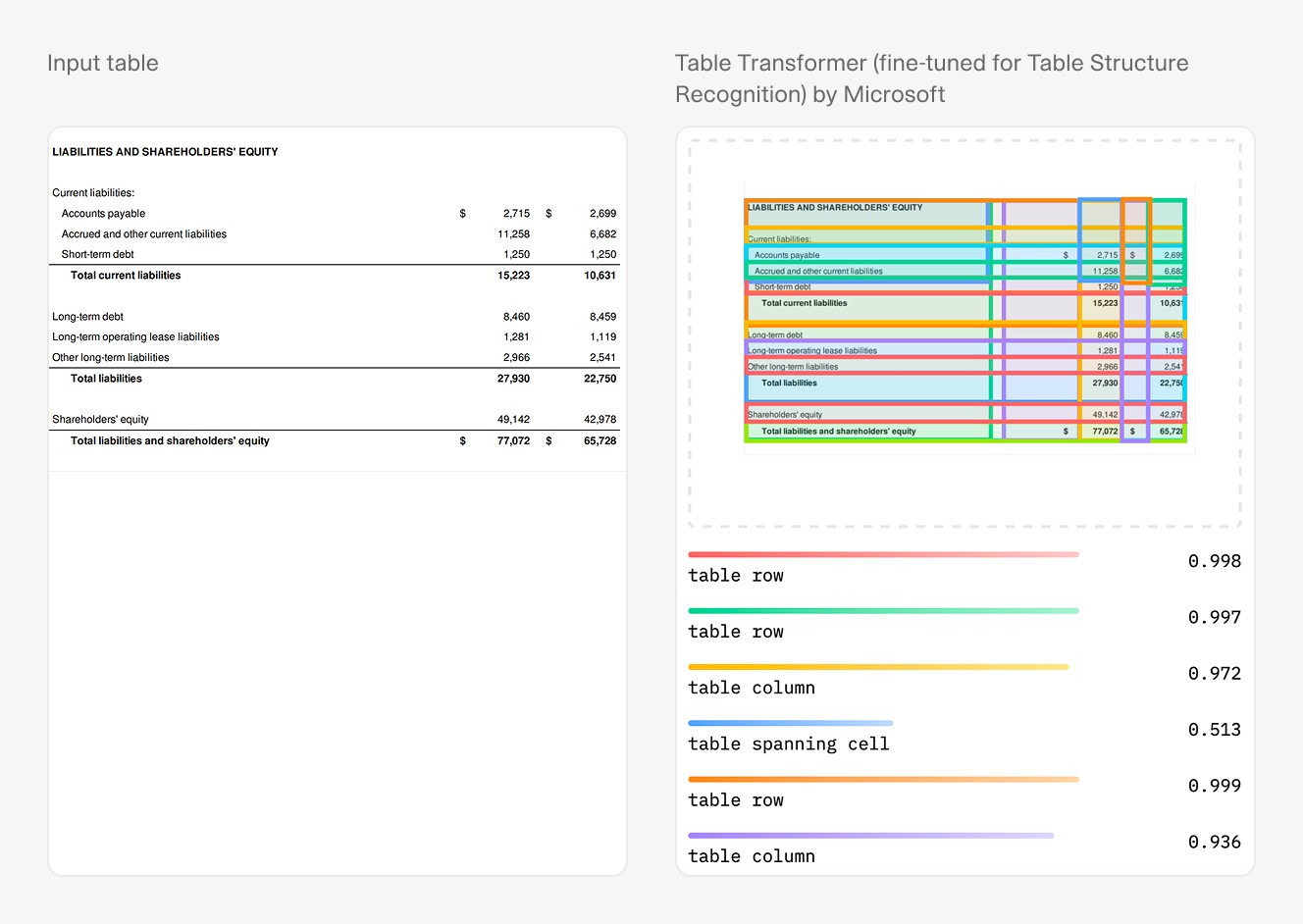
Contract review connects payment terms and conditions to the consideration schedule.
Employment conditions deserve a separate review. An arrangement whose contingent payments are automatically forfeited when employment ends is generally compensation for post-combination services. Do not classify it solely from an agreement heading such as "additional purchase price." The reviewer needs the operative conditions and any related agreements.
Acquisition-related advisory, legal and similar costs are generally expensed as incurred and services are received. Debt and equity issuance costs follow their own guidance. Keep a transaction-cost register outside the consideration schedule, with a link between related entries so the same invoice cannot disappear between workstreams.
Finally, distinguish target debt assumed from borrowing raised by the acquirer to finance the deal. Reconcile debt repayments and seller proceeds to the actual structure. Adding all debt to consideration while also recognizing it as an assumed liability can create double counting that a balanced spreadsheet will not detect.











Build the purchase price allocation from source evidence
The purchase price allocation translates the acquired business into identifiable assets and assumed liabilities on the relevant acquisition-date measurement basis. The target's trial balance supplies a starting population, but it does not identify every acquired asset or establish the required values.
Under the general model, acquired intangible assets may need recognition even when the target never recorded them. Customer relationships, technology and trade names require an identification assessment, based on either contractual or legal rights, or separability. A historical balance sheet with no recorded customer asset does not end that assessment.
Most acquired items use acquisition-date fair value, but exceptions matter. Income taxes follow ASC 740; acquired revenue-contract assets and liabilities generally follow ASC 606. Other exceptions address items such as employee benefits and leases. Use KPMG's July 2026 business-combinations handbook to check the applicable recognition and measurement requirements instead of applying a universal fair-value instruction.

Historical financial statements provide source information. Acquisition accounting still requires the relevant date, perimeter and measurement basis.
Build the source pack around the questions the specialists must answer. A practical starting matrix is:
Workstream | Source documents | Required handoff |
|---|---|---|
Closing balances | Trial balance, ledger detail and reconciliations | Agreed cutoff and account mapping |
Customer assets | Contracts, renewals, cohort data and customer forecasts | Complete population and documented assumptions |
Technology and other rights | IP schedules, licenses and product documentation | Rights acquired and valuation inputs |
Liabilities and commitments | Debt, leases, claims and benefit documents | Recognized items and unresolved assessments |
Tax | Tax bases, deal structure and supporting schedules | Reviewed current and deferred tax amounts |
For example, the deal model may combine subscription and implementation revenue, while the customer valuation requires separate retention assumptions. Ask the commercial team to explain the source definitions before sending a consolidated revenue series to the valuation specialist. Preserve that explanation with the dataset so subsequent updates use the same definitions.
Financial statement spreading can help organize historical inputs consistently. Keep extracted source amounts separate from proposed accounting adjustments and approved values. Otherwise, a reviewer cannot tell whether a difference arose in extraction, mapping or valuation.
Preserve the version history of each source dataset. If management revises a forecast after the valuation team has started, retain both versions and explain the change. The reviewer needs to know whether it corrects the original source, adds acquisition-date information or reflects a later operating development. Replacing the old file without an explanation removes that distinction.
Give each material asset and liability an evidence record containing its source, measurement method, responsible specialist, reviewer and status. Missing support should remain visible as an open item. A final-looking allocation table with unsupported assumptions is harder to review than a provisional table that clearly identifies what remains outstanding.
Calculate goodwill and reconcile the opening balance sheet
Goodwill is the residual after the acquisition-date calculation, so test the inputs before accepting the result. For a straightforward 100% acquisition with no previously held interest, subtract recognized identifiable net assets from consideration transferred. In a partial or step acquisition, the general formula also includes the fair value of any noncontrolling interest and previously held equity interest.
Consider this hypothetical acquisition, with every amount in millions of dollars. The buyer acquires 100% of an operating business using the general model, with no previously held interest and no private-company accounting alternatives. It transfers $75 million in cash and recognizes $5 million of acquisition-date contingent consideration. Total consideration is $80 million.
Acquisition-date item | Amount ($m) |
|---|---|
Receivables | 15 |
Inventory | 10 |
Equipment | 30 |
Customer relationships | 30 |
Technology | 20 |
Total identifiable assets | 105 |
Trade liabilities assumed | (20) |
Target debt assumed | (10) |
Deferred tax liability | (5) |
Identifiable net assets | 70 |
Consideration transferred | 80 |
Goodwill: 80 minus 70 | 10 |
These are stipulated recognized amounts, not a valuation model. The $5 million deferred tax liability is an assumed output of a separate tax assessment; no general tax rate is implied. The $10 million target debt remains assumed in this example. Any new financing raised by the buyer would be accounted for separately.
The buyer also incurs $2 million of acquisition advisory costs, assumed to qualify for expense treatment. Those costs do not increase the $80 million consideration. The $5 million contingent consideration is already included in that total; do not also subtract it as a target liability when calculating identifiable net assets.
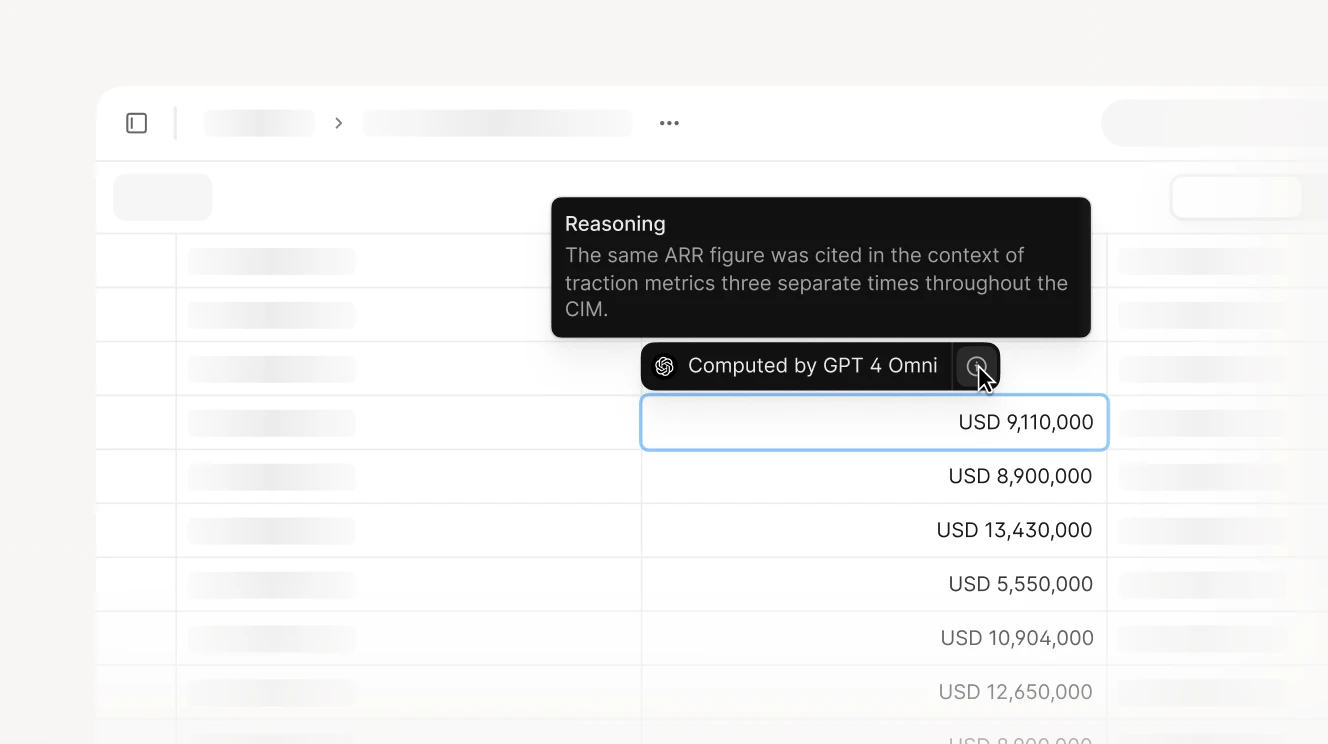
Review the opening balance sheet alongside its supporting schedules, with each adjustment traceable to an approved input.
An abbreviated acquisition entry would debit the $105 million of identifiable assets and $10 million goodwill, and credit $35 million of assumed liabilities, $75 million cash and $5 million contingent consideration. Debits and credits both total $115 million. This illustrates acquisition accounting; a real consolidation also needs the entity-specific investment, equity and elimination entries.
Use the reconciliation to challenge the result. If recognized net assets exceed the relevant consideration and interests, reassess identification and measurement before recording a bargain purchase gain. If goodwill seems unexpected, check omitted liabilities, intangible assets, tax effects and duplicated amounts. Do not change supported valuations simply to achieve a preferred goodwill balance.
Hand the approved allocation into ongoing financial statement analysis with the supporting depreciation, amortization and tax schedules. Include account mappings and reporting ownership. The acquisition file is complete only when the team preparing the next close can use it without rebuilding the transaction from scratch.
Track provisional amounts through the measurement period
The measurement period allows time to obtain acquisition-date information for incomplete accounting; it does not postpone the first reporting close. Report provisional amounts where required and explain what remains incomplete. Each item needs an owner and a specific information request.
The period ends for an item when the necessary information is obtained or determined to be unavailable, and it cannot extend beyond one year after acquisition. Qualifying adjustments concern facts and circumstances that existed at the acquisition date. Later changes in the business do not become acquisition-date facts simply because they occur within twelve months.
Under current US GAAP, qualifying adjustments are recognized in the period they are determined, together with any required earnings catch-up calculated from the acquisition date. They do not require retrospective revision of comparative periods under the former measurement-period approach. Deloitte's measurement-period guidance explains the distinction.
Suppose a valuation specialist receives previously missing acquisition-date customer data in November for an August acquisition. The team should assess whether that evidence changes a provisional amount. A customer unexpectedly terminating its contract in November requires a different analysis: the event's timing alone does not establish that August accounting was incomplete.
Maintain a change log with the original provisional amount, requested evidence, date received, revised conclusion and affected schedules. Record why the change qualifies, or why it belongs in subsequent accounting instead. Link the approved treatment to the corresponding journal entry so the disclosure preparer can follow the same record.
At each reporting close, review the log with tax and valuation specialists. Confirm which items are complete, what remains outstanding and which disclosures need updating. After the measurement period, revising acquisition accounting requires an error-correction assessment under ASC 250; subsequent operating changes follow their applicable accounting guidance. Keep those routes distinct in the review record.
Prepare an ASC 805 evidence pack with V7 Go
Use V7 Go to prepare and check the evidence that accounting reviewers need. As AI infrastructure for private markets, it can connect document work across the transaction while your finance team retains responsibility for scope, valuation assumptions, accounting conclusions and approved entries.
The Context Graph connects documents, entities, relationships and source evidence into reusable firm context. For a proposed acquisition-accounting workflow, that context could include the acquisition structure, approved policies, chart of accounts and earlier reviewed memos. Keep current transaction facts distinguishable from prior-deal examples.
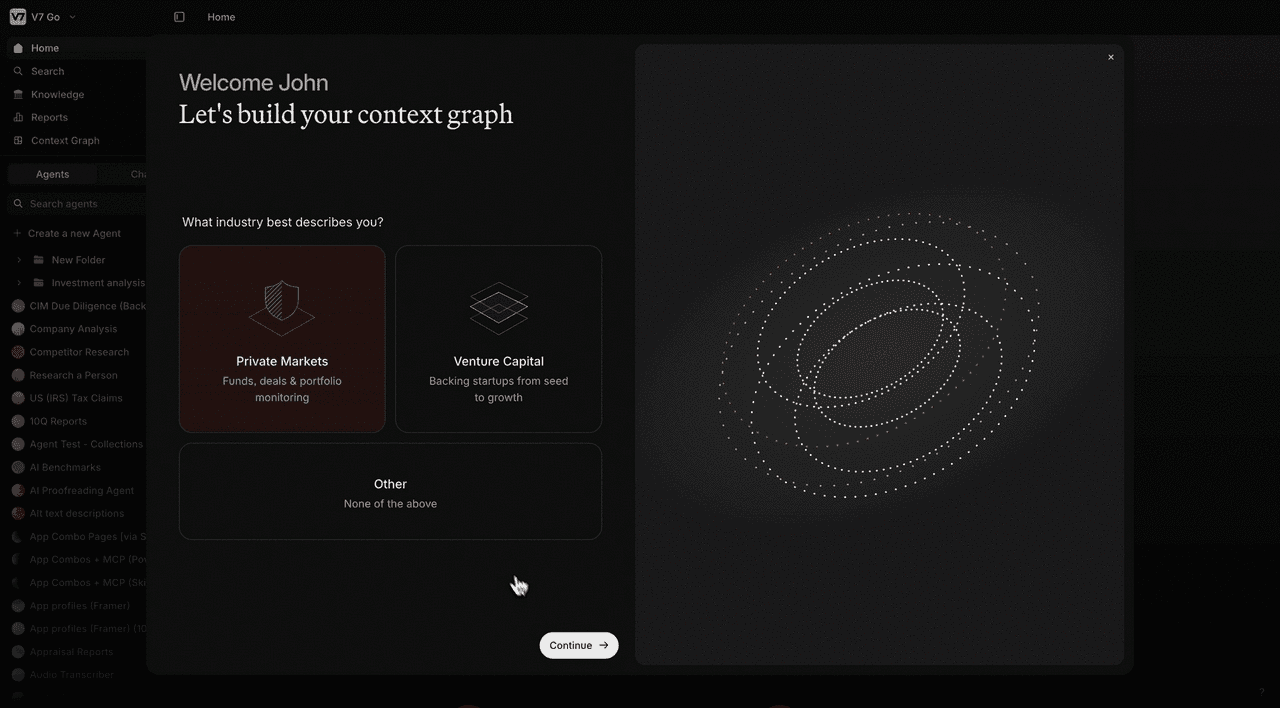
V7 Go's onboarding introduces Context Graph setup for private-markets work.
Work with solutions engineers to define the steps and expected outputs. Start with the executed agreement, final funds flow, trial balance and specialist schedules. A document-extraction step can prepare consideration fields and source references; a separate comparison step can flag conflicting dates, entities or amounts for review.
Use the appropriate tool for each check. A language model can interpret contract passages and draft an evidence summary. The Python tool can run defined arithmetic checks on structured values, such as the $115 million debit-and-credit totals in the example. A passing calculation does not establish that the underlying accounting classification is correct.
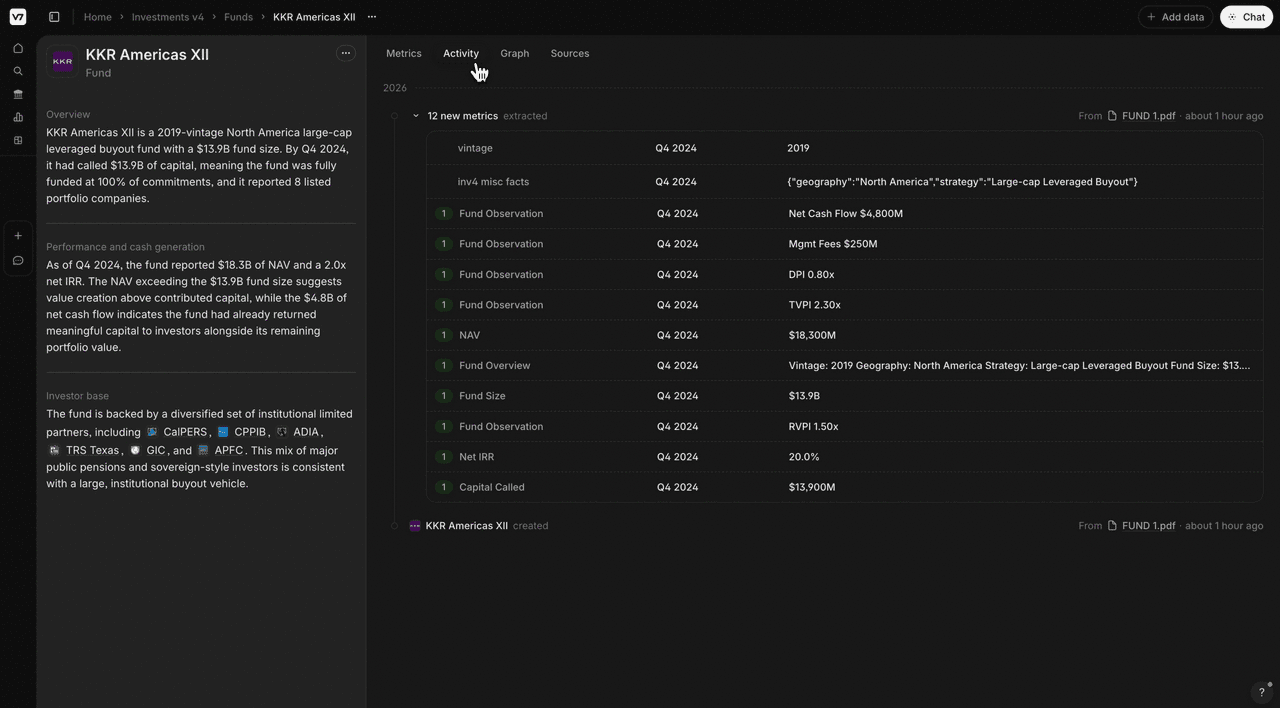
Fund-report fields retain a link to their PDF source. An ASC 805 workflow would require transaction-specific fields and review rules.
Define the handoff as a reviewable evidence pack: extracted terms, source locations, reconciliation results, unresolved questions and proposed memo sections. Require the reviewer to open the supporting evidence for material judgments. Missing documents and conflicting values should produce a visible exception, not a guessed answer.
Start with one completed acquisition whose accounting has already been reviewed. Compare the workflow's output against the approved file, including a changed agreement and a missing schedule. Agree acceptance criteria for source accuracy, arithmetic, completeness and escalation before expanding to live transactions. Explore V7 for accounting and advisory with that representative file to scope the workflow and its review handoff.
A useful ASC 805 process leaves a clear chain from the transaction documents to the opening balance sheet. The reporting entity and acquisition date anchor the work; the consideration and allocation schedules explain the numbers; the measurement-period log preserves what changed and why.
Choose one acquisition file and identify the points where your team still re-enters data or searches for support. Define the required evidence, calculation and reviewer at each point. That gives an AI workflow a concrete job and gives finance a result it can inspect, challenge and approve.
What is ASC 805?
ASC 805 is the US GAAP topic covering business combinations and related transactions. For a transaction within the acquisition method, the acquirer identifies the accounting acquirer and acquisition date, recognizes the identifiable acquired assets and assumed liabilities, and determines goodwill or a bargain purchase gain. The first question is whether the acquired set qualifies as a business. Asset acquisitions and transactions under common control have different requirements within the broader topic. For PE structures, identify the reporting entity as well: an investment fund's accounting for a portfolio holding is a different question from an operating company's acquisition accounting. Document the scope conclusion before commissioning an allocation or preparing entries.
+
How is purchase price allocation different from ASC 805?
ASC 805 provides the broader accounting framework; purchase price allocation is part of applying that framework to an acquisition. The allocation identifies and measures the assets acquired and liabilities assumed and supports the resulting goodwill calculation. Work must happen before and after that exercise. The team first determines scope, the accounting acquirer, acquisition date and consideration. It then prepares disclosures, tracks provisional amounts and transfers approved values into ongoing reporting. A valuation report can support the allocation, but it does not answer every accounting question. The finance team still needs to connect the report to the executed agreement, tax analysis, opening balance sheet and applicable accounting policies.
+
How do you calculate goodwill in a business combination?
For a straightforward 100% acquisition with no previously held interest, goodwill equals consideration transferred less recognized identifiable net assets. In the article's hypothetical example, $80 million of consideration minus $70 million of identifiable net assets produces $10 million of goodwill. The general formula also includes the acquisition-date fair value of any noncontrolling interest and previously held equity interest where applicable. Recognized net assets reflect the relevant accounting requirements, including exceptions to fair-value measurement. Keep acquisition advisory costs separate from consideration and avoid counting contingent consideration twice. If the calculation indicates a bargain purchase, reassess whether the acquired items and consideration have been correctly identified and measured before recognizing a gain.
+
Are transaction costs included in the acquisition price under ASC 805?
Acquisition-related legal, advisory and similar costs are generally expensed as incurred and the services are received under the business-combination acquisition method. Costs to issue debt or equity follow separate accounting guidance. The funds-flow statement can contain all these payments, so its total should not be copied directly into consideration transferred. Build a cost register with the invoice, service description, responsible entity and accounting classification. Review seller employment arrangements and other payments separately where they may compensate future services. Asset acquisitions follow different cost-accounting rules, which is another reason to resolve transaction scope first. The classification should reflect the substance of each arrangement and the applicable guidance.
+
How long is the ASC 805 measurement period?
AI can help prepare the evidence and draft work products used in acquisition accounting. A scoped workflow can extract agreement terms, organize document references, compare schedules and flag conflicting amounts or missing support. Defined calculations can check arithmetic after the inputs have been structured. Those tasks do not establish whether an acquired set is a business, determine appropriate valuation assumptions or approve accounting entries. Finance, tax and valuation specialists retain those judgments. Start with a completed acquisition file and compare the proposed workflow against reviewed results. Require traceable sources, visible exceptions and an explicit human approval step before using outputs in the financial reporting process.
+
Can AI prepare the ASC 805 accounting for an acquisition?
Go is more accurate and robust than calling a model provider directly. By breaking down complex tasks into reasoning steps with Index Knowledge, Go enables LLMs to query your data more accurately than an out of the box API call. Combining this with conditional logic, which can route high sensitivity data to a human review, Go builds robustness into your AI powered workflows.
