3x more recoveries identified
AI agent for Subrogation Specialists
AI agent for Subrogation Specialists
AI agent for Subrogation Specialists
Find the recovery opportunities hiding in your closed files
Find the recovery opportunities hiding in your closed files
Find the recovery opportunities hiding in your closed files
Delegate the exhaustive task of subrogation file review to a specialized AI agent. It systematically analyzes closed claim files, identifies third-party liability indicators, flags documentation gaps, and surfaces viable recovery opportunities that manual review processes miss.

Ideal for
Subrogation Teams
Claims Recovery
Special Investigations






























See AI agent for Subrogation Specialists in action
Play video
See AI agent for Subrogation Specialists in action
Play video
Q4 Closed Files Review
See AI agent for Subrogation Specialists in action
Play video
Decision-ready outputs from your data room
Turn diligence documents into IC-ready slides.
V7 analyses CIMs, models, contracts, DDQs, and data rooms — then generates source-linked memos, tables, and PPT files your team can edit, trust, and send.
Speak to an expert in your industry in the next 24 hours.
See how V7 turns your firm’s documents into investor-ready outputs — with every number traced back to source.
Decision-ready outputs from your data room
Turn diligence documents into IC-ready slides.
V7 analyses CIMs, models, contracts, DDQs, and data rooms — then generates source-linked memos, tables, and PPT files your team can edit, trust, and send.
Speak to an expert in your industry in the next 24 hours.
See how V7 turns your firm’s documents into investor-ready outputs — with every number traced back to source.
Decision-ready outputs from your data room
Turn diligence documents into IC-ready slides.
V7 analyses CIMs, models, contracts, DDQs, and data rooms — then generates source-linked memos, tables, and PPT files your team can edit, trust, and send.
Speak to an expert in your industry in the next 24 hours.
See how V7 turns your firm’s documents into investor-ready outputs — with every number traced back to source.
Decision-ready outputs from your data room
Turn diligence documents into IC-ready slides.
V7 analyses CIMs, models, contracts, DDQs, and data rooms — then generates source-linked memos, tables, and PPT files your team can edit, trust, and send.
Speak to an expert in your industry in the next 24 hours.
See how V7 turns your firm’s documents into investor-ready outputs — with every number traced back to source.
Time comparison
Traditional way
3-4 weeks per 1,000 files
With V7 Go agents
2-3 hours
Average time saved
98%
Why V7 Go
Third-Party Liability Detection
Automatically identifies indicators of third-party fault in closed files, including police reports mentioning other drivers, witness statements, property damage patterns, and liability admissions buried in adjuster notes.
Third-Party Liability Detection
Automatically identifies indicators of third-party fault in closed files, including police reports mentioning other drivers, witness statements, property damage patterns, and liability admissions buried in adjuster notes.
Multi-Party Claim Analysis
Analyzes complex claims involving multiple parties to determine contribution percentages, identify all potentially liable entities, and flag cases where partial recovery may be viable even if full subrogation was deemed uneconomical.
Multi-Party Claim Analysis
Analyzes complex claims involving multiple parties to determine contribution percentages, identify all potentially liable entities, and flag cases where partial recovery may be viable even if full subrogation was deemed uneconomical.
Documentation Gap Identification
Flags files with incomplete evidence that could support subrogation if additional documentation were obtained, such as missing police reports, unsigned releases, or incomplete repair estimates that undervalue damages.
Documentation Gap Identification
Flags files with incomplete evidence that could support subrogation if additional documentation were obtained, such as missing police reports, unsigned releases, or incomplete repair estimates that undervalue damages.
Statute of Limitations Tracking
Calculates remaining time before statute of limitations expires for each identified opportunity, prioritizing cases that require immediate action and preventing time-barred claims from consuming resources.
Statute of Limitations Tracking
Calculates remaining time before statute of limitations expires for each identified opportunity, prioritizing cases that require immediate action and preventing time-barred claims from consuming resources.
Recovery Value Estimation
Estimates potential recovery amounts based on paid damages, deductibles, comparative negligence factors, and historical recovery rates for similar claim types, enabling cost-benefit analysis before pursuing subrogation.
Recovery Value Estimation
Estimates potential recovery amounts based on paid damages, deductibles, comparative negligence factors, and historical recovery rates for similar claim types, enabling cost-benefit analysis before pursuing subrogation.
Pattern Recognition Across Portfolio
Identifies systemic patterns in missed subrogation opportunities, such as specific adjusters consistently overlooking third-party liability or certain claim types being closed prematurely, enabling process improvements and targeted training.
Pattern Recognition Across Portfolio
Identifies systemic patterns in missed subrogation opportunities, such as specific adjusters consistently overlooking third-party liability or certain claim types being closed prematurely, enabling process improvements and targeted training.
Analyzes every document in closed claim files
To uncover hidden recovery opportunities.
Get started


Import your files
Salesforce
,
Microsoft Sharepoint Online
,
Google Drive
Import your files from whereever they are currently stored
All types of Insurance documents supported


Once imported our system extracts and organises the essentials
Features
Features
Results you can actually trust.
Reliable AI document processing toolkit.
Results you can trust.
Trustworthy AI document processing toolkit.
Supporting complex documents.
Up to 200 pages.
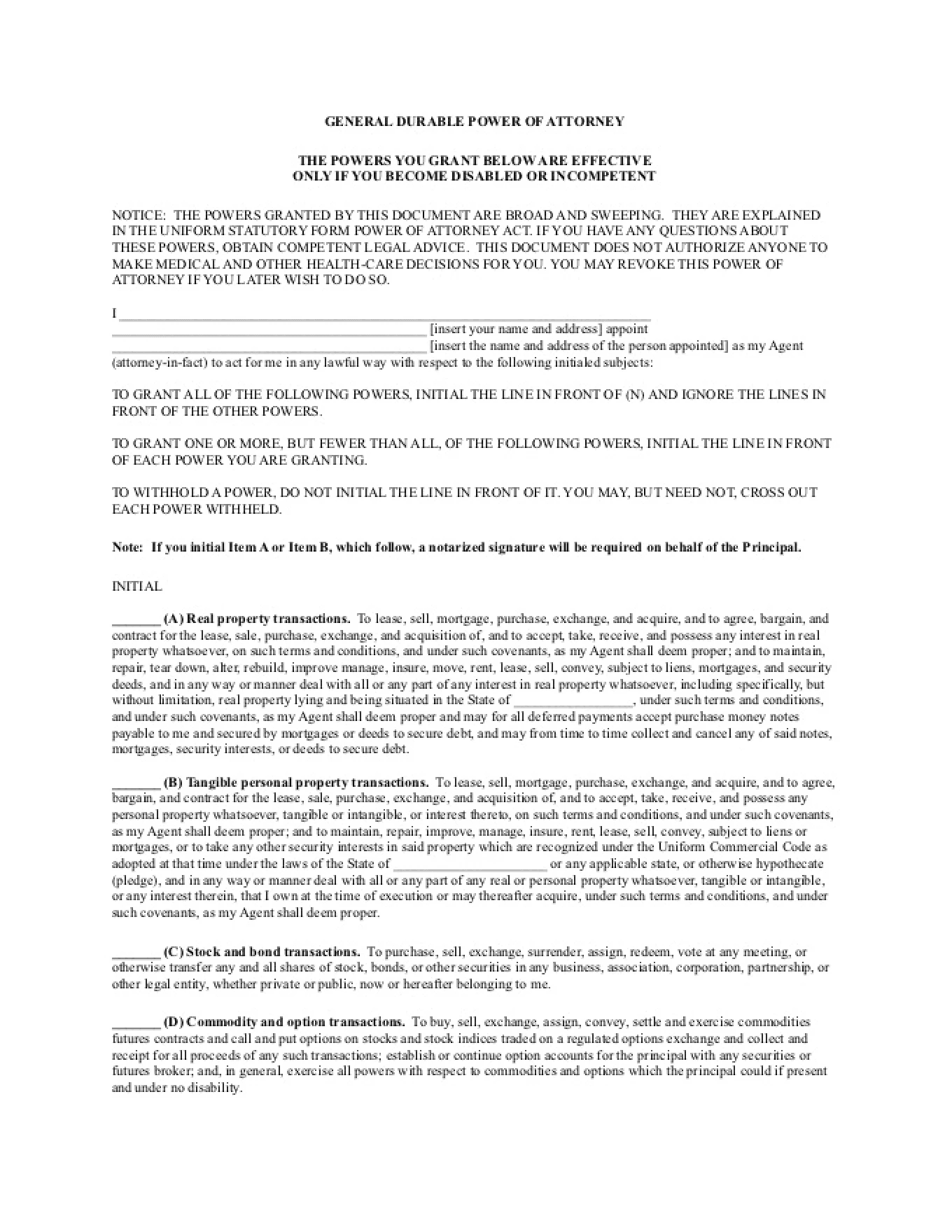
Claim files contain diverse document types in varying formats. This agent processes everything from handwritten adjuster notes and scanned police reports to digital medical records and photographic evidence, extracting liability indicators regardless of document structure or quality.
Input types
50+ languages
Handwritten Notes
200 pages
Multi-modal
Document types
PDFs
Scanned Reports
Photos
Medical Charts
Claim Forms
Vendor_US.xlsx
12
Supply_2023.pptx

Review_Legal.pdf
Supporting complex documents.
Up to 200 pages.
Claim files contain diverse document types in varying formats. This agent processes everything from handwritten adjuster notes and scanned police reports to digital medical records and photographic evidence, extracting liability indicators regardless of document structure or quality.
Input types
50+ languages
Handwritten Notes
200 pages
Multi-modal
Document types
PDFs
Scanned Reports
Photos
Medical Charts
Claim Forms
Vendor_US.xlsx
12
Supply_2023.pptx
Review_Legal.pdf
Reach 99% accuracy rate
through GenAI reasoning.
Subrogation decisions require precision. The agent uses sophisticated reasoning to distinguish between genuine third-party liability and contributory negligence, accurately assess recovery potential, and avoid false positives that waste investigative resources on unviable claims.
Model providers

Security note
V7 never trains models on your private data. We keep your data encrypted and allow you to deploy your own models.
Answer
Type
Text
Tool
o4 Mini
Reasoning effort
Min
Low
Mid
High
AI Citations
Inputs
Set a prompt (Press @ to mention an input)
Reach 99% accuracy rate
through GenAI reasoning.
Subrogation decisions require precision. The agent uses sophisticated reasoning to distinguish between genuine third-party liability and contributory negligence, accurately assess recovery potential, and avoid false positives that waste investigative resources on unviable claims.
Model providers
Security note
V7 never trains models on your private data. We keep your data encrypted and allow you to deploy your own models.
Answer
Type
Text
Tool
o4 Mini
Reasoning effort
Min
Low
Mid
High
AI Citations
Inputs
Set a prompt (Press @ to mention an input)
Trustworthy results,
grounded in reality.
Every recovery recommendation is backed by verifiable evidence. The agent provides AI Citations linking each liability finding to specific passages in police reports, witness statements, or adjuster notes, allowing subrogation specialists to quickly validate the opportunity before committing resources.
Visual grounding in action
00:54
Deliberate Misrepresentation: During the trial, evidence was presented showing that John Doe deliberately misrepresented his income on multiple occasions over several years. This included falsifying documents, underreporting income, and inflating deductions to lower his tax liability. Such deliberate deception demonstrates intent to evade taxes.
Pattern of Behavior: The prosecution demonstrated a consistent pattern of behavior by John Doe, spanning several years, wherein he consistently failed to report substantial portions of his income. This pattern suggested a systematic attempt to evade taxes rather than mere oversight or misunderstanding.
Concealment of Assets: Forensic accounting revealed that John Doe had taken significant steps to conceal his assets offshore, including setting up shell companies and using complex financial structures to hide income from tax authorities. Such elaborate schemes indicate a deliberate effort to evade taxes and avoid detection.
Failure to Cooperate: Throughout the investigation and trial, John Doe displayed a lack of cooperation with tax authorities. He refused to provide requested documentation, obstructed the audit process, and failed to disclose relevant financial information. This obstructionism further supported the prosecution's argument of intentional tax evasion.
Prior Warning and Ignoring Compliance
" height="15px" href="%23J0QEw1Ctk-2037569988" id="J0QEw1Ctk" width="198px"/><use clip-path="url(%23J0QEw1Ctk-2037569988-stroke)" fill="transparent" href="%23J0QEw1Ctk-2037569988" stroke-dasharray="0" stroke-linecap="butt" stroke-linejoin="miter" stroke-miterlimit="4" stroke-width="1" stroke="rgb(124, 58, 237)"/></svg>)
02
01
01
02
Trustworthy results,
grounded in reality.
Every recovery recommendation is backed by verifiable evidence. The agent provides AI Citations linking each liability finding to specific passages in police reports, witness statements, or adjuster notes, allowing subrogation specialists to quickly validate the opportunity before committing resources.
Visual grounding in action
00:54
Deliberate Misrepresentation: During the trial, evidence was presented showing that John Doe deliberately misrepresented his income on multiple occasions over several years. This included falsifying documents, underreporting income, and inflating deductions to lower his tax liability. Such deliberate deception demonstrates intent to evade taxes.
Pattern of Behavior: The prosecution demonstrated a consistent pattern of behavior by John Doe, spanning several years, wherein he consistently failed to report substantial portions of his income. This pattern suggested a systematic attempt to evade taxes rather than mere oversight or misunderstanding.
Concealment of Assets: Forensic accounting revealed that John Doe had taken significant steps to conceal his assets offshore, including setting up shell companies and using complex financial structures to hide income from tax authorities. Such elaborate schemes indicate a deliberate effort to evade taxes and avoid detection.
Failure to Cooperate: Throughout the investigation and trial, John Doe displayed a lack of cooperation with tax authorities. He refused to provide requested documentation, obstructed the audit process, and failed to disclose relevant financial information. This obstructionism further supported the prosecution's argument of intentional tax evasion.
Prior Warning and Ignoring Compliance
02
01
01
02
Enterprise grade security
for high-stake industries.
Claim files contain highly sensitive personal and medical information. V7 Go processes all data within your secure environment, maintaining HIPAA compliance and ensuring that confidential claim details never leave your infrastructure or train external models.
Certifications
GDPR
SOC2
HIPAA
ISO
Safety
Custom storage
Data governance
Access-level permissions
Enterprise grade security
for high-stake industries.
Claim files contain highly sensitive personal and medical information. V7 Go processes all data within your secure environment, maintaining HIPAA compliance and ensuring that confidential claim details never leave your infrastructure or train external models.
Certifications
GPDR
SOC2
HIPAA
ISO
Safety
Custom storage
Data governance
Access-level permissions
More agents
Explore more agents to help you
accelerate your insurance operations
More agents

AI Insurance Underwriting Agent
Automates underwriting analysis to extract risk data, verify compliance, and accelerate coverage decisions.
Insurance
•
Risk Data Extraction
•
Compliance Verification
•
Anomaly Detection
Get ->
AI Insurance Underwriting Agent
Automates underwriting analysis to extract risk data, verify compliance, and accelerate coverage decisions.
Insurance
•
Risk Data Extraction
•
Compliance Verification
•
Anomaly Detection
Get ->

AI Claims Triage Agent
Automatically triages incoming claims by severity and fraud risk, then routes them to the right team.
Insurance
•
Claims Triage
•
Automated Routing
•
Severity Assessment
Get ->
AI Claims Triage Agent
Automatically triages incoming claims by severity and fraud risk, then routes them to the right team.
Insurance
•
Claims Triage
•
Automated Routing
•
Severity Assessment
Get ->

Insurance Policy Review Agent
Instantly analyzes insurance policies to extract coverages, limits, exclusions, and endorsements.
Insurance
•
Policy Coverage Analysis
•
Exclusion & Endorsement Flagging
•
Policy Form Comparison
Get ->
Insurance Policy Review Agent
Instantly analyzes insurance policies to extract coverages, limits, exclusions, and endorsements.
Insurance
•
Policy Coverage Analysis
•
Exclusion & Endorsement Flagging
•
Policy Form Comparison
Get ->

Insurance Claims Automation Agent
Automates claims intake by extracting data from FNOL submissions, forms, and supporting documents.
Insurance
•
FNOL Automation
•
Claims Data Extraction
•
Automated Triage & Routing
Get ->
Insurance Claims Automation Agent
Automates claims intake by extracting data from FNOL submissions, forms, and supporting documents.
Insurance
•
FNOL Automation
•
Claims Data Extraction
•
Automated Triage & Routing
Get ->
Insurance Risk Assessment Agent
Analyzes risk engineering reports to identify hazards, extract COPE data, and summarize recommendations.
Insurance
•
Loss Control Report Analysis
•
Recommendation Extraction
•
COPE Data Extraction
Get ->
Insurance Risk Assessment Agent
Analyzes risk engineering reports to identify hazards, extract COPE data, and summarize recommendations.
Insurance
•
Loss Control Report Analysis
•
Recommendation Extraction
•
COPE Data Extraction
Get ->

Insurance Coverage Analysis Agent
Provides instant, cited answers to complex coverage questions by analyzing policies and claim facts.
Insurance
•
Coverage Verification
•
Policy Q&A
•
Exclusion Analysis
Get ->
Insurance Coverage Analysis Agent
Provides instant, cited answers to complex coverage questions by analyzing policies and claim facts.
Insurance
•
Coverage Verification
•
Policy Q&A
•
Exclusion Analysis
Get ->
Time saving for invoice processing
95%
"We are looking for V7 Go and AI in general to be the beating heart of our company and our growth. It will make us more productive as a company, liaising with customers, automating tasks, even finding new work."

James Tomlinson
Managing Director
Productivity increase
35%
"We used V7 Go to automate our diligence process with data extraction and automated analysis. This led to a 35% productivity increase in just the first month of use."

Trey Heath
CEO of Centerline
Custom solution delivery
In hours, not weeks
"Partnering with V7 means bringing our toughest data challenges to a team that turns them into solutions in hours. Their Solutions Engineers have redefined what’s possible for our business."

Allen Darby
CEO of Alaris Acquisitions
Time saving for invoice processing
95%
"We are looking for V7 Go and AI in general to be the beating heart of our company and our growth. It will make us more productive as a company, liaising with customers, automating tasks, even finding new work."
James Tomlinson
Managing Director
Productivity increase
35%
"We used V7 Go to automate our diligence process with data extraction and automated analysis. This led to a 35% productivity increase in just the first month of use."
Trey Heath
CEO of Centerline
Custom solution delivery
In hours, not weeks
"Partnering with V7 means bringing our toughest data challenges to a team that turns them into solutions in hours. Their Solutions Engineers have redefined what’s possible for our business."
Allen Darby
CEO of Alaris Acquisitions
Time saving for invoice processing
95%
"We are looking for V7 Go and AI in general to be the beating heart of our company and our growth. It will make us more productive as a company, liaising with customers, automating tasks, even finding new work."
James Tomlinson
Managing Director
Productivity increase
35%
"We used V7 Go to automate our diligence process with data extraction and automated analysis. This led to a 35% productivity increase in just the first month of use."
Trey Heath
CEO of Centerline
Custom solution delivery
In hours, not weeks
"Partnering with V7 means bringing our toughest data challenges to a team that turns them into solutions in hours. Their Solutions Engineers have redefined what’s possible for our business."
Allen Darby
CEO of Alaris Acquisitions
Time saving for invoice processing
95%
"We are looking for V7 Go and AI in general to be the beating heart of our company and our growth. It will make us more productive as a company, liaising with customers, automating tasks, even finding new work."
James Tomlinson
Managing Director
Productivity increase
35%
"We used V7 Go to automate our diligence process with data extraction and automated analysis. This led to a 35% productivity increase in just the first month of use."
Trey Heath
CEO of Centerline
Custom solution delivery
In hours, not weeks
"Partnering with V7 means bringing our toughest data challenges to a team that turns them into solutions in hours. Their Solutions Engineers have redefined what’s possible for our business."
Allen Darby
CEO of Alaris Acquisitions
Enterprise-grade security
Your data stays yours—always. Work with one of the few AI companies that never trains on your data.
No training on your data
Encrypted end-to-end
Audited and penetration-tested
Fine-grained access controls
Inhouse security team
Audit logs across every workflow
Time saving for invoice processing
95%
"We are looking for V7 Go and AI in general to be the beating heart of our company and our growth. It will make us more productive as a company, liaising with customers, automating tasks, even finding new work."
James Tomlinson
Managing Director
Productivity increase
35%
"We used V7 Go to automate our diligence process with data extraction and automated analysis. This led to a 35% productivity increase in just the first month of use."
Trey Heath
CEO of Centerline
Custom solution delivery
In hours, not weeks
"Partnering with V7 means bringing our toughest data challenges to a team that turns them into solutions in hours. Their Solutions Engineers have redefined what’s possible for our business."
Allen Darby
CEO of Alaris Acquisitions
Time saving for invoice processing
95%
"We are looking for V7 Go and AI in general to be the beating heart of our company and our growth. It will make us more productive as a company, liaising with customers, automating tasks, even finding new work."
James Tomlinson
Managing Director
Productivity increase
35%
"We used V7 Go to automate our diligence process with data extraction and automated analysis. This led to a 35% productivity increase in just the first month of use."
Trey Heath
CEO of Centerline
Custom solution delivery
In hours, not weeks
"Partnering with V7 means bringing our toughest data challenges to a team that turns them into solutions in hours. Their Solutions Engineers have redefined what’s possible for our business."
Allen Darby
CEO of Alaris Acquisitions
Time saving for invoice processing
95%
"We are looking for V7 Go and AI in general to be the beating heart of our company and our growth. It will make us more productive as a company, liaising with customers, automating tasks, even finding new work."
James Tomlinson
Managing Director
Productivity increase
35%
"We used V7 Go to automate our diligence process with data extraction and automated analysis. This led to a 35% productivity increase in just the first month of use."
Trey Heath
CEO of Centerline
Custom solution delivery
In hours, not weeks
"Partnering with V7 means bringing our toughest data challenges to a team that turns them into solutions in hours. Their Solutions Engineers have redefined what’s possible for our business."
Allen Darby
CEO of Alaris Acquisitions
Time saving for invoice processing
95%
"We are looking for V7 Go and AI in general to be the beating heart of our company and our growth. It will make us more productive as a company, liaising with customers, automating tasks, even finding new work."
James Tomlinson
Managing Director
Productivity increase
35%
"We used V7 Go to automate our diligence process with data extraction and automated analysis. This led to a 35% productivity increase in just the first month of use."
Trey Heath
CEO of Centerline
Custom solution delivery
In hours, not weeks
"Partnering with V7 means bringing our toughest data challenges to a team that turns them into solutions in hours. Their Solutions Engineers have redefined what’s possible for our business."
Allen Darby
CEO of Alaris Acquisitions
Enterprise-grade security
Your data stays yours—always. Work with one of the few AI companies that never trains on your data.
No training on your data
Encrypted end-to-end
Audited and penetration-tested
Fine-grained access controls
Inhouse security team
Audit logs across every workflow
Time saving for invoice processing
95%
"We are looking for V7 Go and AI in general to be the beating heart of our company and our growth. It will make us more productive as a company, liaising with customers, automating tasks, even finding new work."
James Tomlinson
Managing Director
Productivity increase
35%
"We used V7 Go to automate our diligence process with data extraction and automated analysis. This led to a 35% productivity increase in just the first month of use."
Trey Heath
CEO of Centerline
Custom solution delivery
In hours, not weeks
"Partnering with V7 means bringing our toughest data challenges to a team that turns them into solutions in hours. Their Solutions Engineers have redefined what’s possible for our business."
Allen Darby
CEO of Alaris Acquisitions
Time saving for invoice processing
95%
"We are looking for V7 Go and AI in general to be the beating heart of our company and our growth. It will make us more productive as a company, liaising with customers, automating tasks, even finding new work."
James Tomlinson
Managing Director
Productivity increase
35%
"We used V7 Go to automate our diligence process with data extraction and automated analysis. This led to a 35% productivity increase in just the first month of use."
Trey Heath
CEO of Centerline
Custom solution delivery
In hours, not weeks
"Partnering with V7 means bringing our toughest data challenges to a team that turns them into solutions in hours. Their Solutions Engineers have redefined what’s possible for our business."
Allen Darby
CEO of Alaris Acquisitions
Time saving for invoice processing
95%
"We are looking for V7 Go and AI in general to be the beating heart of our company and our growth. It will make us more productive as a company, liaising with customers, automating tasks, even finding new work."
James Tomlinson
Managing Director
Productivity increase
35%
"We used V7 Go to automate our diligence process with data extraction and automated analysis. This led to a 35% productivity increase in just the first month of use."
Trey Heath
CEO of Centerline
Custom solution delivery
In hours, not weeks
"Partnering with V7 means bringing our toughest data challenges to a team that turns them into solutions in hours. Their Solutions Engineers have redefined what’s possible for our business."
Allen Darby
CEO of Alaris Acquisitions
Time saving for invoice processing
95%
"We are looking for V7 Go and AI in general to be the beating heart of our company and our growth. It will make us more productive as a company, liaising with customers, automating tasks, even finding new work."
James Tomlinson
Managing Director
Productivity increase
35%
"We used V7 Go to automate our diligence process with data extraction and automated analysis. This led to a 35% productivity increase in just the first month of use."
Trey Heath
CEO of Centerline
Custom solution delivery
In hours, not weeks
"Partnering with V7 means bringing our toughest data challenges to a team that turns them into solutions in hours. Their Solutions Engineers have redefined what’s possible for our business."
Allen Darby
CEO of Alaris Acquisitions
Enterprise-grade security
Your data stays yours—always. Work with one of the few AI companies that never trains on your data.
No training on your data
Encrypted end-to-end
Audited and penetration-tested
Fine-grained access controls
Inhouse security team
Audit logs across every workflow